Crown hair transplants are gaining popularity as an effective solution for hair loss, offering a natural and permanent way to restore a fuller head of hair. This comprehensive guide delves into the world of crown hair transplants, exploring the techniques, benefits, and everything you need to know about this transformative procedure.
Crown Hair Transplant Overview

A crown hair transplant is a surgical procedure that involves moving hair follicles from a donor area to the crown of the head, the area at the top of the scalp. This procedure is typically performed to address hair loss or thinning in the crown area, which can occur due to various factors such as genetics, hormonal changes, or aging.
Crown hair transplants offer several benefits, including:
- Restoration of hair growth in the crown area
- Improvement in the overall appearance and self-confidence
- Long-lasting results
There are two main types of crown hair transplant techniques:
Follicular Unit Extraction (FUE)
In FUE, individual hair follicles are extracted from the donor area and transplanted to the crown. This technique is less invasive and leaves minimal scarring.
Follicular Unit Transplantation (FUT)
In FUT, a strip of scalp is removed from the donor area, and the hair follicles are extracted from the strip and transplanted to the crown. This technique is more invasive and can result in a linear scar at the donor site.
Procedure and Techniques
A crown hair transplant involves a series of meticulous steps to restore hair growth in the crown area.
The procedure typically begins with the extraction of hair follicles from the donor area, which is usually the back or sides of the scalp. This can be done using two main techniques:
Follicular Unit Transplantation (FUT)
In FUT, a strip of skin containing hair follicles is removed from the donor area. The follicles are then dissected into individual units and transplanted into the recipient area on the crown.
Follicular Unit Extraction (FUE)
In FUE, individual hair follicles are extracted directly from the donor area using a specialized tool. These follicles are then transplanted into the recipient area one by one.
Both FUT and FUE techniques involve the use of local anesthesia to minimize discomfort during the procedure. The recovery time typically ranges from a few days to a few weeks, with most patients experiencing minimal downtime.
Donor Area Considerations
The selection of an appropriate donor area is crucial for a successful hair transplant. The donor area is the region from which hair follicles are harvested and transplanted to the recipient area.
Factors that influence donor area selection include:
- Hair density: The donor area should have a high density of healthy hair follicles.
- Hair texture: The texture of the hair in the donor area should be similar to that of the recipient area.
- Scalp laxity: The donor area should have sufficient scalp laxity to allow for the harvesting of hair follicles without causing tension.
Maintaining Donor Area Health
After the hair transplant, it is important to maintain the health of the donor area to ensure continued hair growth. This can be done by:
- Keeping the donor area clean and free of infection.
- Avoiding excessive sun exposure.
- Using hair care products that are gentle and non-irritating.
- Following the post-operative instructions provided by the surgeon.
Results and Expectations
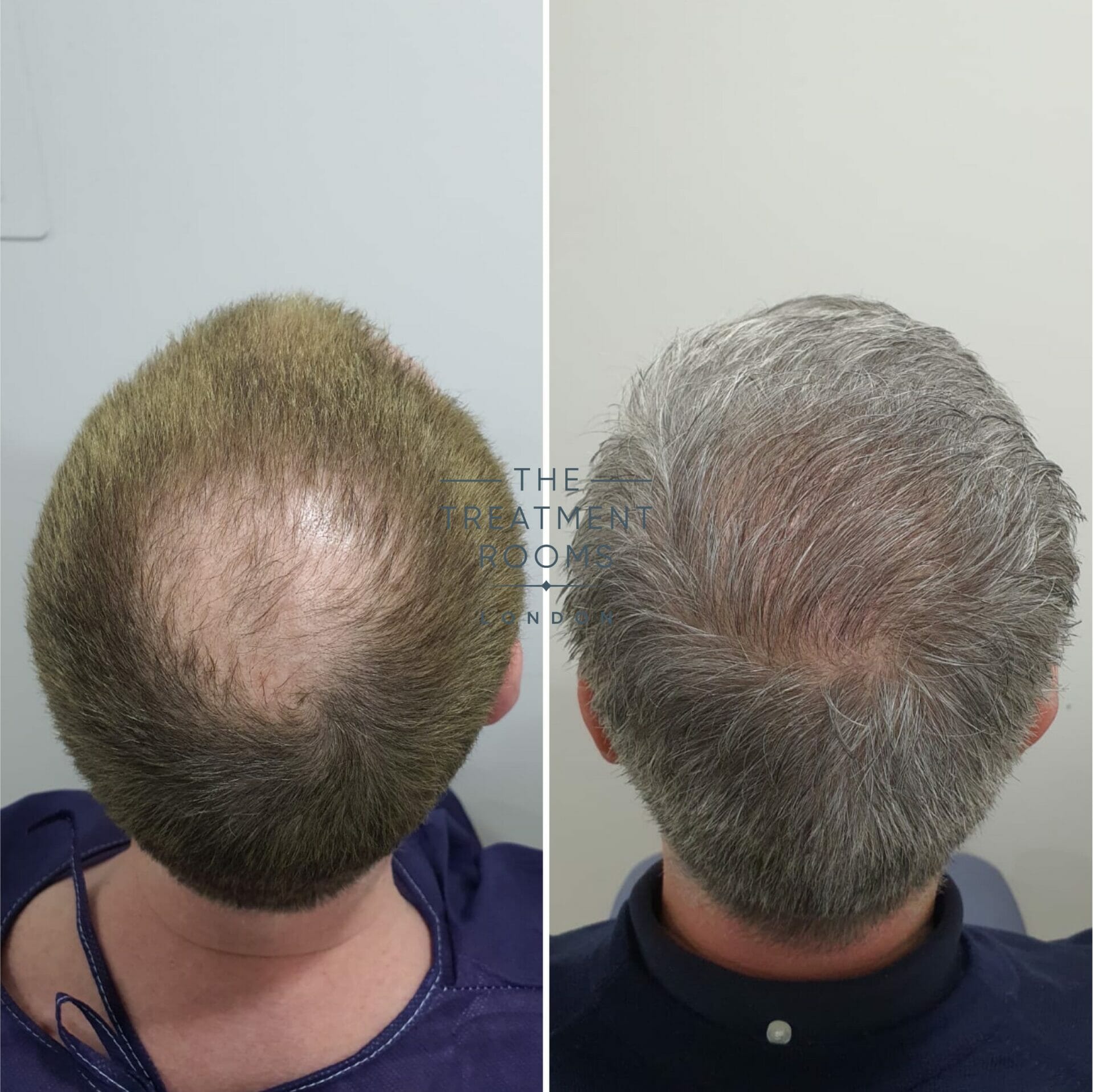
A crown hair transplant aims to restore hair growth in the thinning or balding crown area. The results can vary depending on individual factors, but generally, patients can expect:
• Hair Growth Patterns:Transplanted hair typically follows the natural growth pattern of the donor area. This means that the hair will grow in the same direction and at a similar rate as the hair in the surrounding areas.
• Density:The density of the transplanted hair will depend on the number of grafts used and the skill of the surgeon. Typically, patients can expect a natural-looking density that blends well with the existing hair.
Factors Affecting Success and Longevity, Crown hair transplant
The success and longevity of a crown hair transplant are influenced by several factors, including:
- Donor Area Health:The health and availability of hair in the donor area play a crucial role in the success of the transplant.
- Surgical Technique:The skill and experience of the surgeon can significantly impact the outcome of the transplant.
- Post-Operative Care:Following the surgeon’s instructions and maintaining proper hair care is essential for optimal results.
- Individual Factors:Age, genetics, and overall health can also influence the success and longevity of the transplant.
Post-Operative Care and Maintenance
To optimize the results of a crown hair transplant, it is crucial to follow post-operative care instructions carefully. These may include:
- Avoid strenuous activity:Restricting strenuous activities for the first few days after the surgery can help prevent dislodging the grafts.
- Protect from sun exposure:The transplanted area should be protected from direct sunlight for several weeks to avoid damage.
- Gentle hair care:Using gentle shampoos and avoiding harsh brushing can help prevent damage to the grafts.
- Medications:Antibiotics or other medications may be prescribed to prevent infection or promote healing.
Summary
Whether you’re considering a crown hair transplant or simply seeking information, this guide has provided you with the essential knowledge to make informed decisions. Remember, hair loss doesn’t have to define you. With crown hair transplants, you can regain your confidence and embrace a renewed sense of self.