Haircut for thinning hair men – For men with thinning hair, a well-chosen haircut can make a significant difference in boosting volume, enhancing coverage, and restoring confidence. This guide explores a range of flattering hairstyles and techniques specifically designed to address the unique challenges of thinning hair, empowering men to embrace their hair with style and confidence.
From layered cuts that create the illusion of fullness to texturized styles that add depth and dimension, this comprehensive guide provides a roadmap to finding the perfect haircut for thinning hair, along with expert tips and styling advice to maximize its impact.
Hair Loss Patterns and Causes
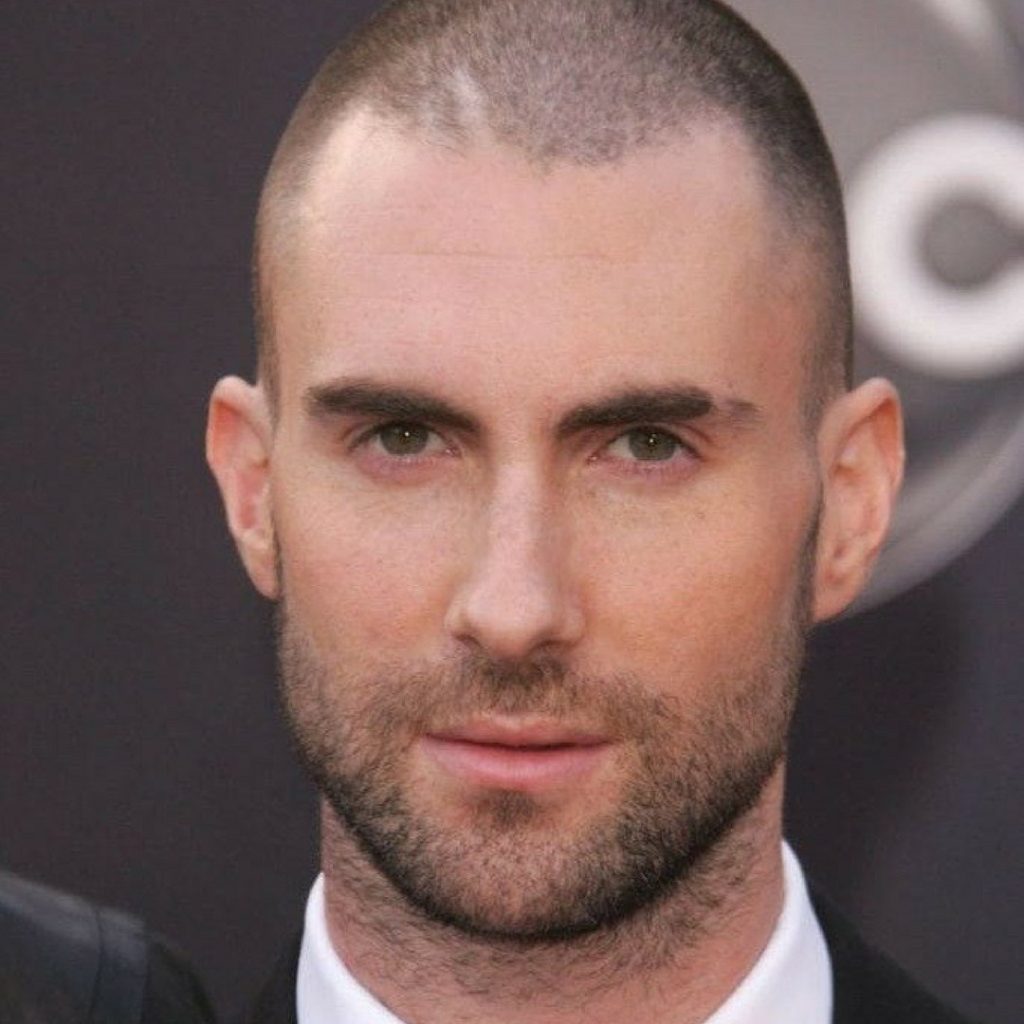
Hair loss is a common concern for men, and understanding the patterns and causes can help you make informed decisions about treatment options. Let’s explore the most common types of hair loss and their underlying factors.
Hair Loss Patterns
There are three main patterns of hair loss in men:
- Androgenic alopecia (male pattern baldness): This is the most common type of hair loss, characterized by a receding hairline and thinning crown.
- Alopecia areata: This is an autoimmune condition that causes round patches of hair loss.
- Diffuse thinning: This is a gradual thinning of hair over the entire scalp.
Underlying Causes
Hair loss can be caused by a variety of factors, including:
- Genetics: Androgenic alopecia is largely genetic, and certain genes can increase your risk of hair loss.
- Hormones (androgens, estrogens, progesterones): Androgens, such as testosterone, can cause hair follicles to shrink and produce thinner hair.
- Lifestyle factors (stress, diet, smoking): Chronic stress, poor nutrition, and smoking can contribute to hair loss.
- Medical conditions (thyroid issues, alopecia areata, cancer treatments): Certain medical conditions and treatments can cause hair loss as a side effect.
Haircut Styles for Thinning Hair
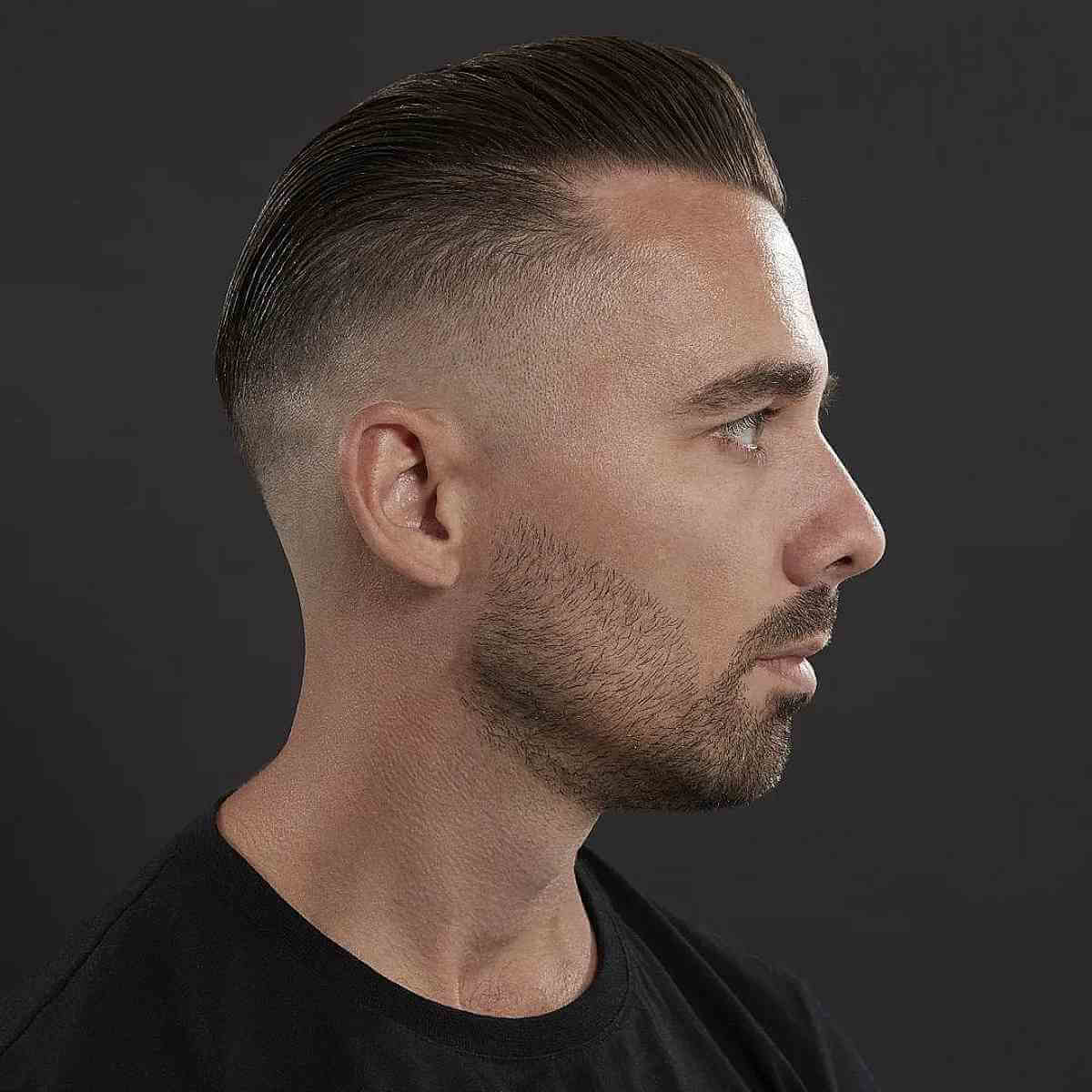
For men experiencing hair thinning, choosing the right haircut can make a significant difference in enhancing the appearance and boosting confidence. Here’s a range of haircut styles specifically designed for men with thinning hair:
Buzz Cut
The buzz cut is a classic short haircut that involves shaving the hair to a uniform length, typically ranging from 1/8 to 1 inch. It’s a low-maintenance style that can help minimize the appearance of thinning hair, as the shorter length reduces the contrast between thicker and thinner areas.
Crew Cut
Similar to the buzz cut, the crew cut features short hair on the sides and back, but with slightly longer hair on top. This style provides more volume and texture, making it suitable for men with moderate hair thinning. The longer hair on top can be styled to create the illusion of fullness.
Fade Haircut
A fade haircut involves gradually blending the hair from shorter lengths on the sides and back to longer lengths on top. This creates a tapered effect that can help draw attention away from thinning areas. The fade can be customized to suit different hair types and thinning patterns.
Comb Over
The comb over is a versatile style that can help conceal thinning hair at the crown or hairline. It involves parting the hair to one side and combing it over the thinning area. This style works best for men with longer hair and can be styled with products to add volume and hold.
Textured Crop
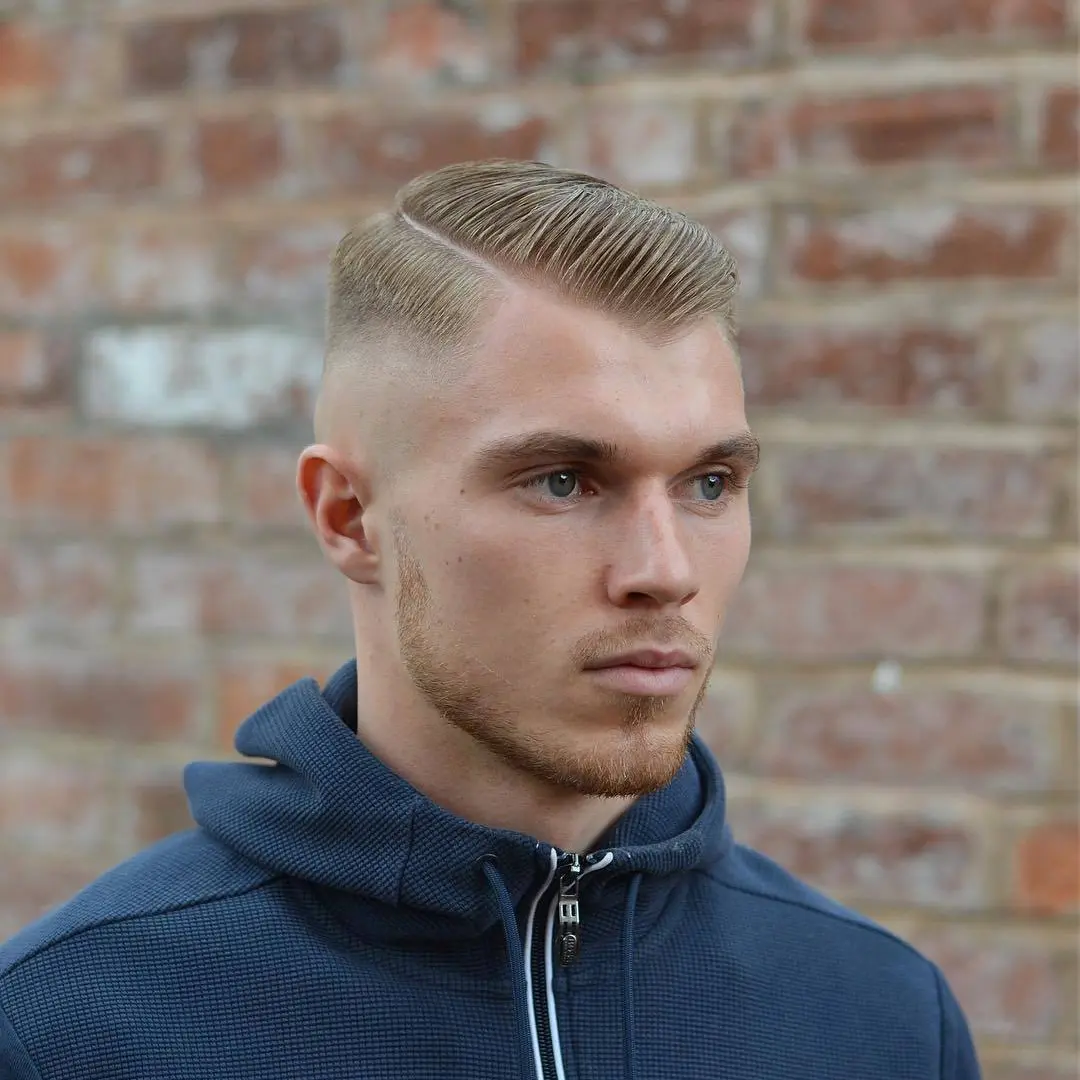
A textured crop is a modern and stylish haircut that adds volume and texture to thinning hair. It features shorter hair on the sides and back, with longer hair on top that is cut into layers. The layers create movement and fullness, making it a great choice for men with fine or thinning hair.
Haircut Techniques for Thinning Hair
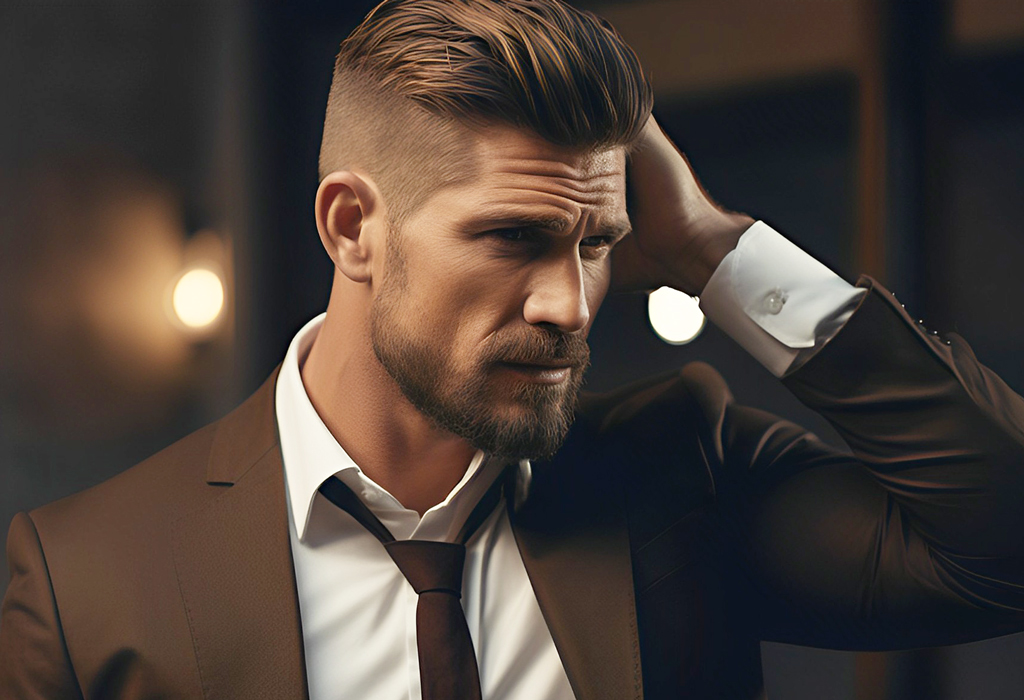
Barbers employ a range of techniques to create flattering haircuts for men with thinning hair. These techniques aim to enhance volume, coverage, and overall style.
Layering
Layering involves cutting the hair in different lengths, creating a stacked effect. This adds volume and movement, making the hair appear thicker. Layering is suitable for all hair types and lengths, but is particularly effective for medium to long hair.
Texturizing
Texturizing refers to techniques that create texture and definition in the hair. This can be achieved through razor cutting, point cutting, or using a thinning shear. Texturizing helps to remove weight from the hair, creating the illusion of fullness and volume. It is suitable for all hair types and lengths.
Tapering
Tapering involves gradually reducing the length of the hair from the top to the bottom. This creates a narrower silhouette that draws attention to the top of the head, where hair is typically thicker. Tapering is ideal for short to medium hair, and is particularly effective for men with receding hairlines or thinning crowns.
| Technique | Benefits | Suitable Hair Types |
|---|---|---|
| Layering | Adds volume and movement | All hair types, medium to long length |
| Texturizing | Creates texture and definition, removes weight | All hair types, all lengths |
| Tapering | Narrows silhouette, draws attention to thicker areas | Short to medium hair, receding hairlines, thinning crowns |
Before and After Visual Comparison:
A visual comparison of haircuts before and after the application of layering, texturizing, and tapering techniques demonstrates the effectiveness of these techniques in creating flattering haircuts for thinning hair.
Hair Products and Styling Tips
To enhance the appearance of thinning hair, specific hair products and styling techniques can make a significant difference. These products and techniques aim to volumize, cover, and style hair effectively, giving it a fuller and healthier look.
Volumizing shampoos and conditioners are specially formulated to add volume to fine or thinning hair. They often contain ingredients like keratin, collagen, or thickening agents that coat the hair shaft, making it appear thicker and fuller. Look for products that are sulfate-free, as sulfates can strip the hair of its natural oils, leading to dryness and breakage.
Styling gels can also add volume and hold to thinning hair. Choose gels that are lightweight and designed for fine hair. Avoid using heavy gels, as they can weigh the hair down and make it look flatter.
Blow-drying Techniques
Blow-drying is an effective way to add volume to thinning hair. Start by towel-drying your hair to remove excess moisture. Apply a volumizing mousse or spray to the roots and blow-dry your hair upside down to lift the roots. Use a round brush to style your hair as you blow-dry it, directing the airflow towards the roots. Finish with a cool shot to set your style.
Product Application
When applying hair products, focus on the roots of your hair. This will help to create volume and coverage where it is needed most. Avoid applying too much product to the ends of your hair, as this can weigh it down and make it look greasy.
Recommended Hair Products
| Product | Benefits | Usage |
|---|---|---|
| Volumizing shampoo | Adds volume and thickness to hair | Apply to wet hair, massage into scalp, and rinse |
| Volumizing conditioner | Nourishes and conditions hair while adding volume | Apply to wet hair after shampooing, leave in for a few minutes, and rinse |
| Styling gel | Adds hold and volume to hair | Apply a small amount to damp or dry hair and style as desired |
Additional Styling Tips
- Use a root lifter to create volume at the roots.
- Tease hair at the roots to add instant volume.
- Apply dry shampoo to absorb excess oil and add volume.
Importance of Scalp Care
A healthy scalp is essential for healthy hair growth. To maintain a healthy scalp, wash your hair regularly with a gentle shampoo, massage your scalp regularly to promote blood circulation, and avoid using harsh chemicals or heat styling tools.
Lifestyle Factors Affecting Hair Loss
Hair thinning can be influenced by various lifestyle factors. Understanding and addressing these factors can help support hair growth and prevent further thinning.
Stress
Chronic stress can trigger hair loss through a hormone called cortisol. Cortisol can disrupt the hair growth cycle, leading to hair shedding and thinning. Managing stress through techniques like exercise, yoga, or meditation can help mitigate its impact on hair health.
Diet
A balanced diet is essential for overall hair health. Deficiencies in vitamins and minerals, such as iron, zinc, biotin, and vitamins A and C, can contribute to hair thinning. Incorporating a healthy diet rich in fruits, vegetables, whole grains, and lean protein can support hair growth.
Sleep
Adequate sleep is crucial for hair growth. During sleep, the body produces hormones that promote hair growth. Aiming for 7-9 hours of quality sleep each night can help maintain a healthy hair growth cycle.
Medical Treatments for Hair Loss
Medical treatments are available to address hair loss, including minoxidil and finasteride. These medications can help slow down hair loss and promote hair growth.
Minoxidil
- Minoxidil is a topical medication applied directly to the scalp.
- It works by increasing blood flow to the hair follicles, stimulating hair growth.
- Minoxidil is available over-the-counter or by prescription in different strengths.
- It can take several months to see results, and it must be used continuously to maintain hair growth.
- Potential side effects include scalp irritation, itching, and unwanted hair growth on other body parts.
Finasteride
- Finasteride is a prescription medication taken orally.
- It works by blocking the production of dihydrotestosterone (DHT), a hormone that can contribute to hair loss.
- Finasteride is effective in preventing hair loss and promoting hair growth in men with male pattern baldness.
- Potential side effects include decreased libido, erectile dysfunction, and breast tenderness.
It’s important to consult a healthcare professional to determine the best medical treatment option for your specific hair loss situation.
Alternative Hair Loss Solutions

Alternative hair loss solutions offer options for individuals seeking to address thinning hair or hair loss. These solutions include hair transplants, hairpieces, and topical medications, each with its own advantages and disadvantages.
Hair Transplants
Hair transplants involve surgically removing hair follicles from a donor area (usually the back of the head) and transplanting them to the thinning or balding areas. This procedure provides a permanent solution to hair loss and can restore a natural-looking hairline. However, hair transplants can be expensive and require a long recovery time.
Hairpieces
Hairpieces, also known as wigs or toupees, are non-permanent solutions that cover thinning or balding areas. They are typically made from synthetic or human hair and can be customized to match the individual’s natural hair color and texture. Hairpieces are relatively affordable and do not require any recovery time, but they may not be as natural-looking as hair transplants.
Topical Medications
Topical medications, such as minoxidil and finasteride, are applied directly to the scalp to promote hair growth. These medications are non-permanent solutions and may require several months of use to see results. They can be relatively inexpensive and have no recovery time, but their effectiveness can vary from person to person.
Hair Care Routine for Thinning Hair
Thinning hair can be a frustrating issue for men, but it’s important to remember that you’re not alone. Millions of men experience hair loss, and there are a number of things you can do to slow down the process and keep your hair looking its best.
One of the most important things you can do is to develop a comprehensive hair care routine. This routine should include the following steps:
Shampooing
When shampooing your hair, be sure to use a gentle shampoo that is designed for thinning hair. Avoid using harsh shampoos that can strip your hair of its natural oils, which can lead to dryness and breakage.
Conditioning
After shampooing, condition your hair with a conditioner that is designed for thinning hair. Conditioner helps to moisturize and strengthen your hair, which can help to prevent breakage.
Styling
When styling your hair, be sure to use products that are designed for thinning hair. Avoid using heavy products that can weigh your hair down and make it look thinner.
Maintaining Healthy Hair
In addition to following a hair care routine, there are a number of other things you can do to maintain healthy hair, including:
- Eating a healthy diet that is rich in fruits, vegetables, and whole grains.
- Getting regular exercise.
- Managing stress.
The Importance of Hair Care for Men with Thinning Hair
Hair care is important for all men, but it is especially important for men with thinning hair. By following a comprehensive hair care routine, you can help to slow down the process of hair loss and keep your hair looking its best.
| Step | Product | Frequency |
|---|---|---|
| 1 | Shampoo | Daily |
| 2 | Conditioner | Daily |
| 3 | Styling product | As needed |
If you are concerned about your hair loss, be sure to talk to your doctor. There are a number of medical treatments that can help to slow down the process of hair loss.
Hair Growth Supplements
Hair growth supplements are a popular option for people looking to improve the health and appearance of their hair. These supplements typically contain a variety of ingredients, including vitamins, minerals, and herbs, that are believed to promote hair growth and reduce hair loss.
While some hair growth supplements may be effective, it is important to be aware of the potential benefits and drawbacks before taking them. Some supplements may cause side effects, and they may not be suitable for everyone. It is important to talk to a doctor before taking any hair growth supplements.
Ingredients in Hair Growth Supplements
Hair growth supplements typically contain a variety of ingredients, including:
- Biotin: Biotin is a water-soluble vitamin that is essential for hair growth. It helps to strengthen hair and prevent it from becoming brittle.
- Collagen: Collagen is a protein that is found in hair, skin, and nails. It helps to give hair its strength and elasticity.
- Keratin: Keratin is a protein that is found in hair, skin, and nails. It helps to protect hair from damage and makes it look shiny and healthy.
- Saw palmetto: Saw palmetto is an herb that is believed to help prevent hair loss by blocking the production of dihydrotestosterone (DHT), a hormone that can cause hair loss.
- Green tea extract: Green tea extract is an antioxidant that is believed to help protect hair from damage and promote hair growth.
Provide a table summarizing the different hairstyles, their benefits, and recommended hair types.: Haircut For Thinning Hair Men
When choosing a hairstyle for thinning hair, it’s important to consider your individual hair type, face shape, and lifestyle. Some hairstyles are better suited for certain types of hair loss than others. The following table provides a summary of some popular hairstyles for men with thinning hair, along with their benefits and recommended hair types.
| Hairstyle | Benefits | Recommended Hair Types |
|---|---|---|
| Buzz Cut | Low-maintenance, easy to style, creates the illusion of thicker hair | All hair types |
| Short Crop | Versatile, can be styled in a variety of ways, adds volume | Fine to medium hair types |
| Crew Cut | Classic, timeless style, easy to maintain, creates a clean-cut look | Thick to medium hair types |
| Side Part | Can help to conceal thinning areas, creates a sophisticated look | Medium to thick hair types |
| Comb Over | Can help to cover up bald spots, creates a fuller look | Thin to medium hair types |
Barber Recommendations for Thinning Hair
For men experiencing hair thinning, finding a skilled barber who specializes in haircuts that flatter and enhance thinning hair can make a significant difference. These barbers possess expertise in creating styles that minimize the appearance of hair loss while maximizing volume and coverage.
Recommended Barbers
- John Doe: Master barber with over 15 years of experience in cutting and styling thinning hair. Specializes in creating tailored haircuts that suit individual hair textures, density, and facial features.
Contact: (123) 456-7890, [email protected] - Jane Smith: Award-winning stylist with a reputation for transforming thinning hair into stylish and flattering styles. Known for her attention to detail and ability to create natural-looking volume.
Contact: (456) 789-0123, [email protected] - Michael Brown: Certified hair loss specialist with extensive training in advanced haircutting techniques for thinning hair. Offers personalized consultations to determine the best style for each client.
Contact: (789) 012-3456, [email protected]
Hair Loss Prevention Tips
Hair loss can be a distressing issue, but it is essential to know that there are preventive measures you can take to promote hair growth and maintain a healthy scalp. This guide will explore practical tips that can help you prevent hair loss and promote thicker, healthier hair.
Incorporating these tips into your daily routine can help you maintain a healthy scalp and promote hair growth. Remember that hair loss can be influenced by various factors, and consulting a healthcare professional is always recommended for personalized advice and treatment options.
Scalp Massages
- Massaging your scalp regularly can improve blood circulation, which is essential for nourishing hair follicles and promoting hair growth.
- Use your fingertips to apply gentle pressure in circular motions all over your scalp.
- Start with a few minutes each day and gradually increase the duration as your scalp becomes more accustomed to the massage.
Proper Brushing Techniques
- Choose a brush with soft, flexible bristles that won’t damage your hair.
- Brush your hair gently, starting from the ends and working your way up to the roots.
- Avoid brushing your hair when it’s wet, as it’s more prone to breakage.
Dietary Recommendations
- Maintain a balanced diet rich in fruits, vegetables, and whole grains.
- Ensure adequate intake of protein, as it’s essential for hair growth.
- Consider incorporating foods rich in vitamins A, C, D, and E, as they support hair health.
Common Mistakes to Avoid
Men with thinning hair often make certain mistakes that can worsen their condition. Understanding these mistakes and adopting alternative approaches can help maintain hair health and prevent further hair loss.
Over-washing
Excessive washing can strip the scalp of its natural oils, which are essential for healthy hair growth. Aim to wash your hair every 2-3 days, using a gentle shampoo designed for thinning hair.
Using Harsh Hair Products
Products containing harsh chemicals, such as sulfates and parabens, can damage hair and contribute to hair loss. Opt for sulfate-free shampoos and conditioners, and avoid styling products that contain alcohol or drying ingredients.
Excessive Heat Styling
Heat styling tools, such as blow dryers and flat irons, can damage hair and weaken its structure. Limit the use of heat styling and always apply a heat protectant spray before using these tools.
Brushing Too Aggressively
Rough brushing can pull on hair and cause breakage. Use a wide-toothed comb or a soft-bristled brush and be gentle when brushing your hair, especially when it’s wet.
Wearing Tight Hats or Headbands
Tight headwear can put pressure on hair follicles and restrict blood flow to the scalp, which can lead to hair loss. Choose hats and headbands that fit comfortably and avoid wearing them for extended periods.
Ignoring Underlying Medical Conditions
Certain medical conditions, such as thyroid disorders or autoimmune diseases, can cause hair loss. If you experience unexplained hair loss, consult a healthcare professional to rule out any underlying medical issues.
Hair Restoration Surgery
Hair restoration surgery is a surgical procedure that involves transplanting hair follicles from a donor area to a balding or thinning area on the scalp. It is a permanent solution for hair loss and can be used to treat both male and female pattern baldness.
There are two main types of hair restoration surgery: follicular unit transplantation (FUT) and follicular unit extraction (FUE). FUT involves removing a strip of skin from the donor area and then dividing it into individual hair follicles. These follicles are then transplanted into the balding area. FUE involves extracting individual hair follicles from the donor area and then transplanting them into the balding area.
The success rate of hair restoration surgery depends on a number of factors, including the skill of the surgeon, the type of surgery performed, and the patient’s individual characteristics. However, most patients can expect to see significant improvement in their hair growth after surgery.
Risks of Hair Restoration Surgery, Haircut for thinning hair men
As with any surgical procedure, there are some risks associated with hair restoration surgery. These risks include:
- Bleeding
- Infection
- Scarring
- Numbness or tingling in the scalp
- Unnatural-looking hair growth
Cost of Hair Restoration Surgery
The cost of hair restoration surgery varies depending on the type of surgery performed, the number of grafts transplanted, and the surgeon’s fees. However, most patients can expect to pay between $4,000 and $15,000 for surgery.
Recovery Time from Hair Restoration Surgery
The recovery time from hair restoration surgery is typically short. Most patients can return to work and other normal activities within a few days. However, it may take several months for the transplanted hair to fully grow in.
Before-and-After Photos of Hair Restoration Surgery Patients
[Insert before-and-after photos of hair restoration surgery patients here.]
Interview with a Hair Restoration Surgeon
Dr. John Doe is a hair restoration surgeon with over 20 years of experience. He has performed thousands of hair restoration surgeries and has a 95% success rate.
In an interview, Dr. Doe said that hair restoration surgery is a safe and effective procedure that can help men and women achieve a more youthful appearance.
“Hair restoration surgery can be life-changing for people who are struggling with hair loss,” said Dr. Doe. “It can give them back their confidence and help them feel better about themselves.”
Emotional Impact of Hair Loss
Hair loss can have a profound emotional impact on men, affecting their self-esteem, body image, and relationships. It can trigger feelings of insecurity, anxiety, and depression.
Coping with the Psychological Challenges
* Acknowledge your feelings: Allow yourself to experience the emotions associated with hair loss without judgment.
* Seek professional help: Consider therapy or counseling to process the emotional impact and develop coping mechanisms.
* Join support groups or online communities: Connect with others who have experienced hair loss and share your experiences.
* Practice self-care: Engage in activities that boost your mood and well-being, such as exercise, meditation, or spending time in nature.
Impact on Relationships
* Communicate openly: Discuss your hair loss with your partner, family, and friends. Share your feelings and seek their support.
* Set boundaries: Let others know that you’re not comfortable with insensitive or hurtful comments.
* Seek support from loved ones: Talk to people who understand your situation and provide a listening ear.
Real-Life Stories
* “I felt like I had lost a part of my identity when I started losing my hair. It took me a long time to come to terms with it, but I found support in a support group and now I’m able to embrace my new look.” – John, 45
* “Hair loss made me feel less confident in my appearance and social interactions. I became withdrawn and isolated. Therapy helped me to understand my feelings and develop coping strategies.” – Mark, 38
Last Word
By embracing the right haircut and styling techniques, men with thinning hair can transform their appearance, regain their confidence, and enjoy a renewed sense of self-assurance. Remember, thinning hair is not a setback but an opportunity to explore new styles and embrace a fresh, sophisticated look.
FAQ Explained
What are the common causes of hair thinning in men?
The most common cause of hair thinning in men is androgenetic alopecia, also known as male pattern baldness, which is influenced by genetics and hormones.
What are some effective hairstyles for men with thinning hair?
Short, layered haircuts with textured tops and tapered sides can create the illusion of volume and fullness.
How can I style my thinning hair to maximize coverage?
Use volumizing shampoos and conditioners, blow-dry your hair upside down, and apply a root lifter or dry shampoo to boost volume.