Protective hairstyles for natural hair are a versatile and effective way to protect and preserve your hair’s health while promoting growth and maintaining its natural beauty. From braids and twists to buns and wigs, there’s a wide range of protective styles to choose from, each with its own unique benefits and maintenance requirements.
In this comprehensive guide, we’ll explore the different types of protective hairstyles, their benefits, and how to style and maintain them properly. We’ll also discuss the cultural significance of protective hairstyles and provide tips for transitioning to natural hair using protective styles.
Definition and Purpose of Protective Hairstyles
Protective hairstyles are specifically designed to safeguard natural hair from damage and promote its overall health. They involve styling techniques that minimize manipulation, friction, and exposure to harsh elements, allowing the hair to thrive.
The primary purpose of protective hairstyles is to preserve the hair’s length, strength, and integrity. By limiting manipulation and reducing breakage, these styles help prevent split ends, tangles, and other forms of hair damage.
Types of Protective Hairstyles
There are numerous types of protective hairstyles, each offering unique benefits and suiting different hair textures and lengths. Some common examples include:
- Braids (e.g., box braids, cornrows, Senegalese twists)
- Buns and updos
- Twists and locs
- Wigs and extensions
- Natural styles (e.g., wash-and-gos, Bantu knots)
The choice of protective hairstyle depends on factors such as hair type, desired length, and personal preferences. It’s essential to consult with a hairstylist or hair care professional to determine the most suitable option for individual hair needs.
Benefits of Protective Hairstyles
Protective hairstyles offer a multitude of benefits for natural hair, contributing to its overall health and vitality.
One of the primary advantages of protective hairstyles is their ability to reduce breakage. By minimizing friction and manipulation, these hairstyles create a protective barrier around the hair shaft, shielding it from damage caused by brushing, styling, and environmental factors. This reduction in breakage promotes hair growth and prevents split ends, resulting in stronger, healthier hair.
Moisture Retention
Protective hairstyles also play a crucial role in moisture retention. By keeping the hair tucked away and covered, these styles prevent moisture from evaporating, allowing it to penetrate the hair shaft and hydrate it from within. This deep conditioning effect helps to improve hair elasticity, reduce dryness, and prevent frizz, leaving the hair soft, supple, and manageable.
Growth Promotion
Furthermore, protective hairstyles can stimulate hair growth by creating an optimal environment for healthy scalp conditions. By reducing tension on the hair follicles and promoting blood circulation, these hairstyles encourage hair growth and prevent hair loss. Additionally, the protective barrier created by these styles helps to shield the scalp from harsh elements, reducing inflammation and promoting overall scalp health.
| Hairstyle | Benefits |
|---|---|
| Box Braids | Reduce breakage, retain moisture, promote growth, versatile styling options |
| Cornrows | Reduce breakage, protect from tangles, promote scalp health |
| Twists | Reduce breakage, prevent frizz, add volume |
| Buns | Protect hair from friction, promote moisture retention, easy to maintain |
| Locs | Extreme protection from breakage, retain moisture, promote hair growth |
“Protective hairstyles are essential for maintaining healthy hair, as they reduce breakage, retain moisture, and promote growth.”
– Hair Care Expert
Types of Protective Hairstyles

Protective hairstyles are designed to safeguard natural hair from damage caused by environmental factors, heat styling, and manipulation. They involve techniques that keep the hair tucked away, reducing friction and breakage. Various types of protective hairstyles exist, each with its unique characteristics and benefits.
The following table provides an overview of some popular protective hairstyles:
Table of Protective Hairstyles
| Hairstyle Name | Description | Suitable Hair Types | Maintenance Tips |
|---|---|---|---|
| Bantu Knots | Small, tightly coiled knots created by sectioning hair and wrapping it around itself. | All hair types, especially coarse or kinky textures. | – Keep knots moisturized with oil or leave-in conditioner. – Avoid over-tightening to prevent breakage. – Cover knots with a satin scarf at night to reduce friction. |
| Box Braids | Three-stranded braids that are sectioned off and braided tightly against the scalp. | All hair types, especially thick or dense textures. | – Use a detangling spray before braiding to minimize breakage. – Apply a moisturizing hair lotion to keep braids hydrated. – Sleep with a satin pillowcase or bonnet to prevent frizz. |
| Cornrows | Flat, raised braids that are created by tightly braiding hair close to the scalp in a straight line. | All hair types, especially fine or thin textures. | – Braid hair in the direction of hair growth to avoid tension. – Use a leave-in conditioner to keep braids moisturized. – Cover braids with a scarf or bonnet at night to reduce tangles. |
| Dreadlocks | Locs formed by twisting or interlocking sections of hair together, creating a matted appearance. | All hair types, but most common in coarse or kinky textures. | – Wash locs regularly with a clarifying shampoo to remove buildup. – Moisturize locs with a locking gel or cream. – Avoid combing or brushing locs to prevent breakage. |
| Twists | Two-stranded twists that are created by wrapping two sections of hair around each other. | All hair types, especially fine or medium textures. | – Apply a curl cream or defining gel to enhance definition. – Keep twists moisturized with a leave-in conditioner. – Avoid over-twisting to prevent breakage. |
Methods for Creating Protective Hairstyles
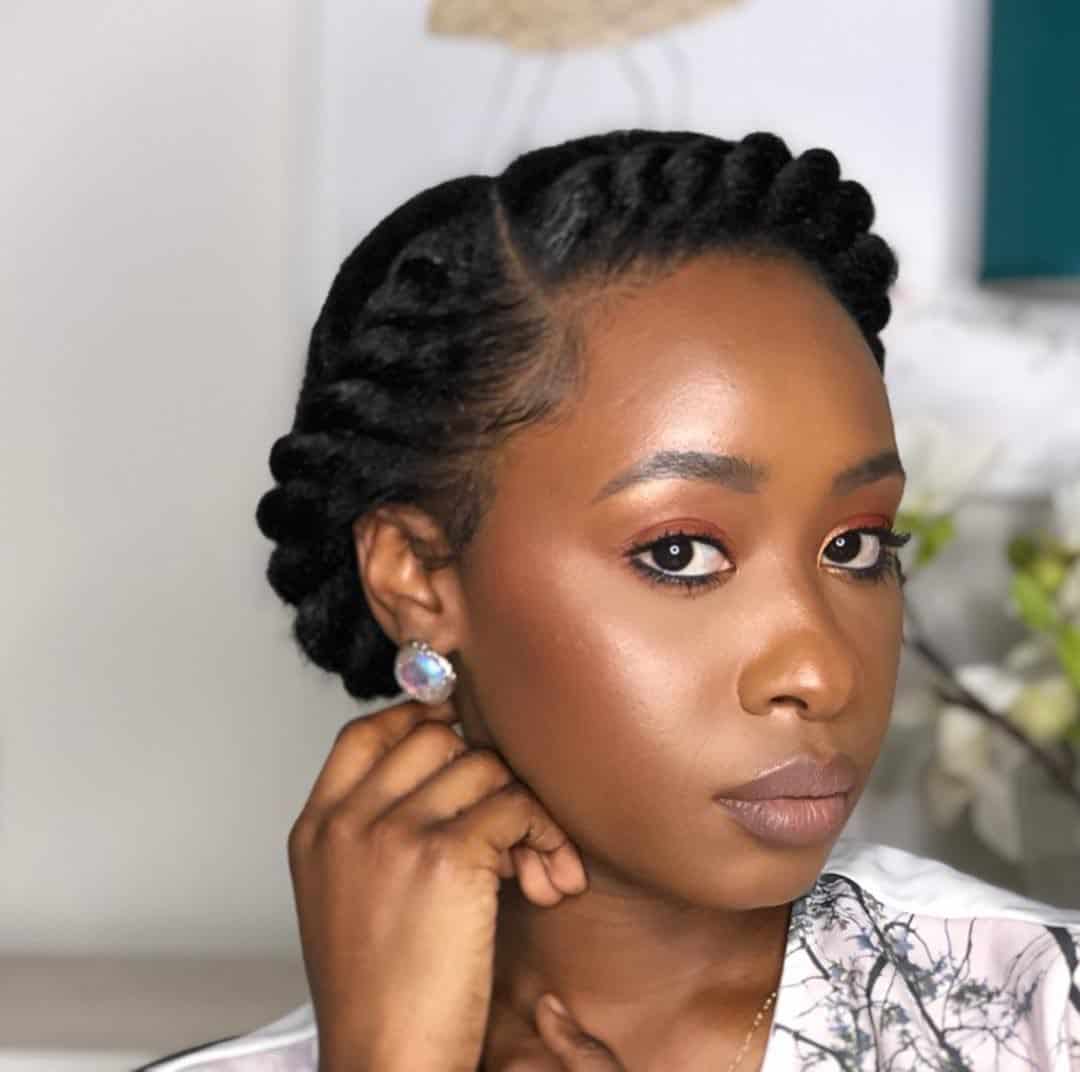
Protective hairstyles are an effective way to safeguard natural hair from damage and promote growth. Creating these hairstyles involves a series of steps that vary depending on the specific style chosen. Here are some common methods for creating protective hairstyles:
Braids
Braiding is a versatile technique that can create a range of protective hairstyles, including cornrows, box braids, and French braids. To create a basic braid, follow these steps:
- Divide your hair into three equal sections.
- Cross the right section over the middle section.
- Cross the left section over the new middle section.
- Repeat steps 2-3 until you reach the end of your hair.
- Secure the braid with an elastic band.
Tips:
- Use a detangling spray to prevent knots.
- Start with small sections of hair for tighter braids.
- Braid your hair when it’s slightly damp to reduce frizz.
Twists
Twists are another popular protective hairstyle that can be created with two or more strands of hair. To create a basic two-strand twist, follow these steps:
- Divide your hair into two equal sections.
- Hold one section in each hand.
- Wrap the right section around the left section.
- Wrap the left section around the right section.
- Repeat steps 3-4 until you reach the end of your hair.
- Secure the twist with an elastic band.
Tips:
- Use a styling cream to define the twists.
- Create smaller twists for a more defined look.
- Moisturize your hair before twisting to prevent dryness.
Buns
Buns are a simple and effective way to protect your hair from damage. To create a basic bun, follow these steps:
- Gather your hair into a high ponytail.
- Wrap the ponytail around the base of the ponytail holder.
- Tuck the ends of the ponytail into the bun.
- Secure the bun with bobby pins.
Tips:
- Use a hairspray to keep the bun in place.
- Create a messy bun for a more casual look.
- Add hair accessories to dress up your bun.
Explain the importance of proper maintenance for protective hairstyles.: Protective Hairstyles For Natural Hair
Protective hairstyles are a great way to protect your natural hair from damage and breakage. However, it is important to properly maintain your protective hairstyle in order to get the most benefits from it.
Without proper maintenance, your protective hairstyle can actually damage your hair. This is because dirt and oil can build up on your scalp and hair, which can lead to scalp irritation, dandruff, and even hair loss. In addition, if your protective hairstyle is too tight, it can put stress on your hair follicles, which can also lead to hair loss.
Regular washing
One of the most important things you can do to maintain your protective hairstyle is to wash it regularly. The frequency with which you need to wash your hair will depend on your hair type and the type of protective hairstyle you have. However, as a general rule of thumb, you should wash your hair at least once a week.
When washing your hair, be sure to use a gentle shampoo and conditioner. Avoid using harsh shampoos or conditioners, as these can strip your hair of its natural oils and make it more susceptible to damage.
Moisturizing
In addition to washing your hair, you should also moisturize it regularly. This will help to keep your hair hydrated and prevent it from becoming dry and brittle.
There are a variety of different products that you can use to moisturize your hair. You can use a leave-in conditioner, a hair cream, or a hair oil. Apply the product to your hair after washing and conditioning it.
Touch-ups
Depending on the type of protective hairstyle you have, you may need to get regular touch-ups. Touch-ups can help to keep your hairstyle looking neat and tidy, and they can also help to prevent your hair from becoming damaged.
The frequency with which you need to get touch-ups will depend on the type of protective hairstyle you have. However, as a general rule of thumb, you should get a touch-up every 2-4 weeks.
Table summarizing the recommended frequency of maintenance for different types of protective hairstyles.
| Protective hairstyle | Washing frequency | Moisturizing frequency | Touch-up frequency |
|---|---|---|---|
| Braids | Once a week | Daily | Every 2-4 weeks |
| Twists | Once a week | Daily | Every 2-4 weeks |
| Locs | Once a month | Weekly | Every 4-6 weeks |
| Weaves | Every 2-3 weeks | Daily | Every 4-6 weeks |
| Wigs | Every 2-3 weeks | Daily | Every 4-6 weeks |
Tips for maintaining protective hairstyles
- Be gentle with your hair when washing and styling it.
- Avoid using harsh shampoos or conditioners.
- Moisturize your hair regularly.
- Get regular touch-ups.
- Avoid wearing your protective hairstyle for too long.
- Take your hair down at night.
- Protect your hair from the elements.
How to wash and moisturize protective hairstyles
To wash your protective hairstyle, follow these steps:
- Wet your hair thoroughly.
- Apply a gentle shampoo to your hair and massage it into a lather.
- Rinse your hair thoroughly.
- Apply a conditioner to your hair and leave it in for 5-10 minutes.
- Rinse your hair thoroughly.
- Towel dry your hair.
- Apply a leave-in conditioner or hair cream to your hair.
To moisturize your protective hairstyle, follow these steps:
- Apply a moisturizer to your hair daily.
- You can use a leave-in conditioner, a hair cream, or a hair oil.
- Apply the moisturizer to your hair after washing and conditioning it.
Different types of touch-ups that may be needed for protective hairstyles
- Tightening
- Re-braiding
- Re-twisting
- Re-locking
- Re-weaving
- Re-wigging
Duration of Protective Hairstyles
Protective hairstyles can provide numerous benefits for natural hair, but it’s essential to consider the recommended duration for wearing them. The ideal duration varies depending on several factors, including hair type, the specific style chosen, and the maintenance routine followed.
Hair Type and Style
Different hair types have varying needs and respond differently to protective styles. For example, finer hair may require more frequent touch-ups and adjustments compared to thicker hair. Similarly, complex styles with multiple braids or twists may need more maintenance than simpler ones.
Maintenance Routine
Proper maintenance is crucial for prolonging the life of protective hairstyles. Regular washing, conditioning, and moisturizing help prevent scalp irritation, dryness, and breakage. The frequency of maintenance will depend on the style and hair type. For instance, styles that require less manipulation, such as buns or ponytails, may require less frequent maintenance than styles with tight braids or twists.
Recommended Duration
As a general guideline, it’s recommended to wear protective hairstyles for a maximum of 6-8 weeks. This duration allows the hair to rest, protect it from damage, and promote healthy growth. However, some styles, such as locs or twists, may be worn for longer periods with proper maintenance.
It’s important to note that these are general guidelines, and individual needs may vary. If you experience any discomfort, scalp irritation, or hair breakage, it’s best to remove the protective style and consult a hairstylist for guidance.
Styling Options for Protective Hairstyles
Protective hairstyles provide versatility in styling while safeguarding natural hair. This section delves into styling techniques, accessories, and product recommendations to enhance the aesthetics of protective hairstyles. It also highlights tips for maintaining hair health during the styling process.
The styling options discussed here are suitable for various hair types and textures, ensuring that individuals can find techniques that complement their unique hair needs.
Accessories for Protective Hairstyles
- Scrunchies and Headbands: Soft fabrics like satin or silk prevent hair breakage and add a touch of style.
- Hair Clips and Barrettes: Secure loose strands and create intricate designs without damaging hair.
- Bobby Pins: Essential for holding braids, buns, and updos in place.
- Headwraps and Scarves: Protect hair from the elements while adding a pop of color or pattern.
Products for Protective Hairstyles
- Leave-in Conditioner: Moisturizes and detangles hair, preventing dryness and breakage.
- Edge Control: Smooths flyaways and defines edges for a polished look.
- Hair Oil: Nourishes and seals in moisture, protecting hair from damage.
- Styling Gel: Provides hold and definition without weighing hair down.
Styling Techniques for Protective Hairstyles
- Braids: Intricate patterns protect hair from tangles and breakage.
- Twists: Create defined curls and coils while minimizing frizz.
- Buns: Secure hair off the face and neck, reducing friction and damage.
- Updos: Combine braids, twists, and buns to create elegant and protective styles.
Tips for Maintaining Protective Hairstyles
- Moisturize hair regularly to prevent dryness and breakage.
- Avoid tight hairstyles that can put stress on hair follicles.
- Protect hair from the elements with headwraps or scarves.
- Remove protective hairstyles gently to minimize hair loss.
How to Create Protective Hairstyles for Each Hair Type
Creating protective hairstyles varies depending on the hair type. Here are detailed instructions for each hair type:
Type 4 Hair (Coily)
- Bantu Knots: Section hair into small squares, twist each section tightly, and wrap around the base to form a knot.
- Flat Twists: Divide hair into two sections, twist one section over the other, and flatten the twist.
- Cornrows: Braid hair tightly against the scalp in straight rows.
Type 3 Hair (Curly)
- Braids: Braid hair in various styles, such as box braids, cornrows, or French braids.
- Twists: Twist hair into two or three strands and secure with a hair tie.
- Buns: Gather hair into a bun and secure with bobby pins.
Type 2 Hair (Wavy)
- Half-Up Buns: Pull the top half of hair into a bun and leave the bottom half down.
- Loose Braids: Braid hair loosely to create a relaxed and effortless look.
li>Headbands: Use headbands to pull hair back and protect it from breakage.
Type 1 Hair (Straight)
- French Braids: Braid hair from the crown of the head to the nape of the neck.
- Low Buns: Gather hair into a low bun at the nape of the neck.
- Ponytails: Tie hair into a ponytail at the crown of the head or the nape of the neck.
Cultural Significance of Protective Hairstyles
Protective hairstyles have a rich cultural and historical significance in many communities worldwide. They have been used for centuries as a means of self-expression, cultural identity, and protection from the elements.
In African cultures, for example, protective hairstyles such as braids, twists, and cornrows have been worn for centuries and hold deep cultural significance. These hairstyles often represent different tribes, social status, and marital status. They are also used as a way to pass down cultural traditions and stories.
Role in Self-Expression and Identity
Protective hairstyles can also play a role in self-expression and identity. For many people, their hair is a way to express their individuality and creativity. Protective hairstyles allow people to experiment with different styles and colors, and to create unique looks that reflect their personality.
Natural Hair Care Tips While Wearing Protective Hairstyles
Protective hairstyles offer numerous benefits for natural hair, but it’s crucial to maintain hair health while wearing them. This involves deep conditioning, moisturizing, and proper scalp care to prevent damage and breakage.
Deep Conditioning
Deep conditioning replenishes moisture and nutrients to hair. For protective styles, apply a deep conditioner to the hair and cover it with a plastic cap for 30-60 minutes before rinsing. This allows the conditioner to penetrate the hair shaft and repair any damage.
Moisturizing
Moisturizing keeps hair hydrated and prevents dryness. Use a leave-in conditioner or oil to seal in moisture. Apply it to the hair and scalp daily or as needed to maintain hydration.
Scalp Care
Scalp care is essential for preventing scalp irritation and promoting hair growth. Use a gentle shampoo and conditioner to cleanse the scalp and remove product buildup. Massage the scalp regularly to stimulate blood flow and promote hair health.
Preventing Product Buildup
Product buildup can weigh hair down and clog pores, leading to scalp irritation. Avoid using excessive products and clarify the hair with a clarifying shampoo every few weeks to remove any residue.
| Protective Hairstyle | Hair Care Tips |
|---|---|
| Braids | – Deep condition weekly. – Moisturize daily with a leave-in conditioner. – Avoid tight braiding to prevent tension. |
| Twists | – Deep condition every 2 weeks. – Moisturize with a light oil or leave-in conditioner. – Keep twists loose to allow for scalp breathing. |
| Wigs | – Deep condition the hair under the wig every 3-4 weeks. – Moisturize the scalp with a gentle oil or leave-in conditioner. – Remove the wig regularly to allow the scalp to breathe. |
“Prioritize hair health by following these care tips and seeking professional advice if you experience any hair problems while wearing protective hairstyles.”
Protective Hairstyles for Transitioning to Natural Hair
Protective hairstyles are an excellent choice for individuals transitioning to natural hair, offering numerous benefits that support the hair growth journey.
During the transition phase, hair can be prone to breakage and damage due to chemical treatments and heat styling. Protective hairstyles help minimize these risks by shielding the hair from external factors and reducing the need for frequent manipulation.
Benefits of Protective Hairstyles for Transitioning Hair
- Protect hair from breakage and damage.
- Encourage hair growth by reducing manipulation.
- Retain moisture and prevent dryness.
- Minimize the appearance of split ends.
- Allow natural hair to grow out without interference.
Common Myths and Misconceptions about Protective Hairstyles
Protective hairstyles are often shrouded in misconceptions, leading to hesitations or misunderstandings about their benefits. To dispel these myths, let’s examine some common misconceptions and provide factual information to debunk them.
Myth 1: Protective Hairstyles Cause Hair Loss
Fact: Protective hairstyles do not cause hair loss when done correctly. In fact, they can help protect hair from breakage and damage caused by environmental factors and daily manipulation.
Myth 2: Protective Hairstyles Are Only for Black Women
Fact: Protective hairstyles can benefit all hair types, regardless of ethnicity or texture. They can help protect hair from damage, regardless of its natural characteristics.
Myth 3: Protective Hairstyles Are Uncomfortable
Fact: While some protective hairstyles may require some getting used to, they should not be painful or cause discomfort. If a hairstyle causes discomfort, it may not be done correctly or may not be suitable for your hair type.
Myth 4: Protective Hairstyles Can Damage Hair
Fact: When done properly and maintained regularly, protective hairstyles can help protect hair from damage. However, it’s important to avoid tight styles, excessive manipulation, or leaving hairstyles in for too long, as these can lead to breakage.
Myth 5: Protective Hairstyles Are Only for Special Occasions
Fact: Protective hairstyles can be worn for everyday wear and can be styled to suit different occasions. They offer versatility and can be adapted to various preferences and lifestyles.
In summary, protective hairstyles can be a valuable tool for protecting hair from damage and promoting hair growth. By dispelling these common myths, we can encourage a better understanding and appreciation of the benefits of protective hairstyles for all hair types.
Provide readers with a comprehensive guide to protective hairstyles, including
Protective hairstyles are an effective way to protect natural hair from damage caused by everyday styling and environmental factors. They involve styling hair in a way that reduces friction and manipulation, allowing it to grow and thrive. This guide provides a comprehensive overview of protective hairstyles, including common terms, different types, styling and maintenance techniques, and a decision-making framework to help you choose the most suitable hairstyle for your hair type and lifestyle.
Glossary of Common Terms
- Protective hairstyle: Any hairstyle that minimizes friction and manipulation of natural hair, promoting hair growth and health.
- Manipulation: Combing, brushing, styling, or any other activity that involves handling hair.
- Tension: Force applied to hair that can cause breakage or damage.
- Shrinkage: The natural tendency of curly or coily hair to coil up and shorten when it dries.
- Edge control: A product used to smooth and define edges around the hairline.
- Scalp irritation: Redness, itching, or discomfort on the scalp.
Breakdown of Different Types of Protective Hairstyles
There are various types of protective hairstyles, each with its unique characteristics and benefits. Some common types include:
- Bantu knots: Small, tightly coiled buns created by twisting sections of hair and wrapping them around themselves.
- Box braids: Braids created by sectioning hair into squares and braiding each section tightly.
- Cornrows: Braids created by braiding hair tightly against the scalp in straight lines.
- Dreadlocks: Locs formed by allowing hair to mat and tangle naturally or through a specific locking technique.
- Twists: Two strands of hair twisted together to create a rope-like effect.
- Weaves: Extensions added to natural hair using methods such as braiding, bonding, or sewing.
Protective Hairstyles for Special Occasions
Protective hairstyles can transform your look for special occasions, adding a touch of elegance and sophistication. These hairstyles not only protect your natural hair from damage but also allow you to experiment with different styles.
Whether you’re attending a wedding, a party, or any other formal event, there’s a protective hairstyle that will complement your outfit and enhance your overall appearance.
Updos
Updos are a classic choice for special occasions. They keep your hair out of your face and create a polished look. There are many different types of updos to choose from, so you can find one that suits your hair type and face shape.
- Buns: Buns are a versatile updo that can be dressed up or down. They are easy to create and can be customized with different accessories.
- Chignons: Chignons are a more formal updo that is perfect for weddings and other special events. They are created by twisting and pinning the hair into a bun.
- French twists: French twists are a simple and elegant updo that is perfect for any occasion. They are created by twisting the hair into a rope and then wrapping it around the head.
Braids
Braids are another popular choice for protective hairstyles. They can be worn in a variety of ways, from simple braids to intricate cornrows. Braids are a great way to add texture and interest to your hair.
- Cornrows: Cornrows are a type of braid that is created by tightly braiding the hair in rows. They are a protective style that can last for several weeks.
- French braids: French braids are a more intricate type of braid that is created by braiding the hair in a three-strand pattern. They are a beautiful and elegant style that is perfect for special occasions.
- Box braids: Box braids are a type of braid that is created by dividing the hair into small squares and then braiding each square individually. They are a versatile style that can be worn in a variety of ways.
Twists
Twists are a type of protective hairstyle that is created by twisting two strands of hair together. They are a versatile style that can be worn in a variety of ways, from simple twists to intricate locs.
- Two-strand twists: Two-strand twists are the simplest type of twist. They are created by twisting two strands of hair together. They are a quick and easy style that is perfect for everyday wear.
- Three-strand twists: Three-strand twists are a more intricate type of twist that is created by twisting three strands of hair together. They are a beautiful and elegant style that is perfect for special occasions.
- Locs: Locs are a type of twist that is created by allowing the hair to mat together. They are a protective style that can last for several years.
Innovative Protective Hairstyles
Protective hairstyles are constantly evolving, with new and innovative styles emerging to meet the needs of natural hair enthusiasts. These hairstyles combine traditional techniques with modern trends, offering unique and stylish ways to protect hair from damage while promoting growth and health.
One of the key benefits of innovative protective hairstyles is their versatility. They can be adapted to suit different hair types, textures, and lengths, making them accessible to a wide range of individuals. Additionally, these hairstyles often incorporate elements of creativity and self-expression, allowing individuals to showcase their personal style while protecting their hair.
Flat Twist Bantu Knots, Protective hairstyles for natural hair
Flat twist bantu knots are a fusion of two classic protective styles: flat twists and bantu knots. This hairstyle involves creating flat twists around the head and then securing them into bantu knots. The flat twists provide a smooth and sleek base, while the bantu knots add volume and texture. This style is particularly beneficial for protecting hair from breakage and tangles.
Knotless Box Braids with Beads
Knotless box braids are a popular protective style that has been given a modern twist with the addition of beads. These braids are created without using knots, which reduces tension on the hair and scalp. The beads add a touch of glamour and customization, allowing individuals to create unique and eye-catching looks.
Crochet Braids with Senegalese Twists
Crochet braids with Senegalese twists combine the convenience of crochet braids with the intricate beauty of Senegalese twists. This hairstyle involves crocheting Senegalese twists onto the hair, creating a protective and stylish look. The twists can be styled in various ways, such as buns, updos, or loose curls.
Styling Tips
When styling innovative protective hairstyles, it is important to prioritize hair health. Use gentle hair care products, avoid excessive manipulation, and keep the hair moisturized to prevent breakage. Additionally, consider using a satin bonnet or pillowcase to reduce friction and protect the hair at night.
Final Wrap-Up
Protective hairstyles are a valuable tool for anyone looking to maintain healthy, beautiful natural hair. By understanding the different types of protective styles and how to care for them properly, you can protect your hair from damage, promote growth, and express your personal style.
FAQ Compilation
What are the benefits of protective hairstyles?
Protective hairstyles reduce breakage, retain moisture, promote growth, and simplify hair care routines.
How often should I wash my protective hairstyle?
The frequency of washing depends on the type of protective style and your hair type. Generally, it’s recommended to wash your hair every 1-2 weeks.
Can I wear protective hairstyles for an extended period?
Yes, protective hairstyles can be worn for up to 8-12 weeks, depending on the style and maintenance. However, it’s important to take breaks between protective styles to allow your hair to rest.