
How long does a haircut take? This seemingly simple question has a surprisingly complex answer, as haircut duration can vary based on a multitude of factors. From the type of haircut you desire to the skill of your stylist, understanding the time commitment involved is crucial for planning your appointment and ensuring a satisfactory experience.
In this comprehensive guide, we delve into the intricacies of haircut times, exploring the variables that influence duration and providing valuable tips to optimize your salon visit. Whether you’re seeking a quick trim or an elaborate transformation, this guide will equip you with the knowledge you need to navigate the world of haircuts efficiently and confidently.
Time Estimates for Haircuts
The duration of a haircut can vary significantly depending on several factors, including the type of haircut, the length and texture of the hair, and the skill and experience of the hairstylist.
Haircut Types
- Trim: A simple trim to remove split ends and maintain the current shape of the hair typically takes around 15-30 minutes.
- Layers: Adding layers to the hair involves more cutting and blending, so it can take anywhere from 30-60 minutes.
- Bob: A bob haircut requires precise cutting and shaping, so it usually takes around 45-75 minutes.
- Pixie: A pixie cut is a short, layered haircut that requires careful shaping and blending. It typically takes around 60-90 minutes.
Hair Length and Texture
The length and texture of the hair can also affect the haircut duration. Longer hair generally takes more time to cut and style, while shorter hair can be cut more quickly.
Thick, coarse hair can be more challenging to cut and style than fine, thin hair. This is because thick hair requires more passes with the scissors to achieve the desired length and shape.
Variations in Haircut Times
The time it takes to get a haircut can vary significantly depending on a number of factors, including the stylist’s experience and skill, the efficiency of the salon or barbershop, and the client’s hair type and desired style.
Stylist’s Experience and Skill
More experienced and skilled stylists can often cut hair more quickly and efficiently than less experienced stylists. They may also be more adept at working with different hair types and styles.
Salon or Barbershop Efficiency
The efficiency of the salon or barbershop can also affect the time it takes to get a haircut. Salons and barbershops that are well-organized and have a good flow of customers can typically get clients in and out more quickly than those that are disorganized or have long wait times.
Client’s Hair Type and Desired Style
The client’s hair type and desired style can also affect the time it takes to get a haircut. Clients with thick, curly hair may require more time to cut and style than those with thin, straight hair. Similarly, clients who want a complex style, such as a layered cut or a pixie cut, may need to spend more time in the salon or barbershop than those who want a simple style, such as a trim.
Professional vs. Home Haircuts
Professional haircuts typically take longer than home haircuts. A basic haircut at a salon or barbershop usually takes around 30-45 minutes, while a more complex cut can take up to an hour or more. Home haircuts, on the other hand, can be done in as little as 15 minutes, depending on the length and style of the hair.
There are several advantages to getting a professional haircut. First, professional hairstylists are trained to cut hair in a way that is both stylish and flattering. They can also provide advice on hair care and styling. Second, professional haircuts are usually more precise and even than home haircuts. Third, professional haircuts can be more relaxing, as you can sit back and let someone else take care of your hair.
However, there are also some advantages to getting a home haircut. First, home haircuts are much cheaper than professional haircuts. Second, home haircuts are more convenient, as you can do them at your own convenience. Third, home haircuts can be more personal, as you can cut your hair exactly the way you want it.
Ultimately, the decision of whether to get a professional or home haircut is a personal one. If you are looking for a high-quality haircut that is both stylish and flattering, then a professional haircut is a good option. If you are looking for a more affordable and convenient option, then a home haircut may be a better choice.
Time Comparison
| Haircut Type | Time Range |
|—|—|
| Professional Haircut | 30-60 minutes |
| Home Haircut | 15-30 minutes |
Quality Comparison
| Factor | Professional Haircut | Home Haircut |
|—|—|—|
| Precision | Higher | Lower |
| Evenness | Higher | Lower |
| Style | More stylish | Less stylish |
| Flattering | More flattering | Less flattering |
Haircut Duration for Special Occasions: How Long Does A Haircut Take

When preparing for special events like weddings, proms, or birthdays, a well-executed haircut can elevate your overall look. However, the time required for these special occasion haircuts can vary depending on the complexity of the style and the addition of hairpieces or intricate styling.
Special Occasion Haircuts: Time Estimates
The table below provides an overview of typical haircut durations for different special occasions:
| Special Occasion | Typical Haircut Duration |
|—|—|
| Wedding | 60-120 minutes |
| Prom | 30-60 minutes |
| Birthday | 30-60 minutes |
Additional Time Considerations
In addition to the base haircut time, certain factors can influence the overall duration:
– Hairpieces: Adding hairpieces can extend the haircut time by 15-30 minutes.
– Intricate styling: Elaborate hairstyles, such as intricate braids or updos, may require an additional 30-60 minutes.
– Multiple stylists: If multiple stylists are working on the same haircut, the time may be reduced by 15-30 minutes.
Effective Communication for Desired Results
To ensure your desired haircut is achieved within the allotted time, effective communication with your stylist is crucial. Clearly convey your vision, including any specific styling requests or hairpiece preferences. Bring inspiration photos or discuss your ideas in detail to avoid any misunderstandings. Additionally, consider booking your appointment well in advance to secure your preferred time slot and stylist.
Time-Saving Techniques for Haircuts
Saving time during a haircut can benefit both the client and the stylist. For clients, it means spending less time in the salon chair and potentially saving money. For stylists, it means being able to accommodate more clients in a day and increasing their earning potential. Here are some tips for clients to reduce haircut time:
Washing Hair Before the Appointment
Washing your hair before your appointment saves the stylist time that would otherwise be spent on washing and drying your hair. This can reduce the overall time of your haircut by 15-30 minutes.
Bringing a Clear Idea of Desired Style
Coming to your appointment with a clear idea of the style you want can help to minimize back-and-forth discussions and revisions. This can save time and ensure that you get the haircut you want.
Providing Visual References
If you have a specific style in mind, bring a photo or two to your appointment. This will help the stylist to understand your vision and create a haircut that is tailored to your individual needs.
Discussing Desired Hair Length and Style Preferences in Detail During Consultation
Taking the time to discuss your desired hair length and style preferences in detail during your consultation will help to avoid surprises and ensure that the stylist is on the same page as you. This can save time and ensure that you are happy with the final result.
Avoiding Last-Minute Changes to the Agreed-Upon Style
Once you have agreed on a style with your stylist, stick to it. Last-minute changes can add time to your haircut and may not result in the desired outcome.
Haircut Time for Different Hair Types
The duration of a haircut can vary based on several factors, including the type of hair. Generally, the thickness of hair plays a significant role in determining the time required for a haircut.
Hair Type and Haircut Duration
* Fine hair: Haircuts for fine hair typically take less time, ranging from 30 to 45 minutes. This is because fine hair is easier to cut and style.
* Medium hair: Haircuts for medium-thickness hair usually take around 45 to 60 minutes.
* Thick hair: Haircuts for thick hair require more time, often taking between 60 and 90 minutes. Thick hair is denser and more challenging to cut and style, hence the longer duration.
It’s important to note that the complexity of the haircut can also influence the duration. More intricate haircuts, such as layered cuts or fades, may take longer to complete.
Consulting with a professional hairstylist is recommended to determine the appropriate haircut duration for your hair type and desired style. They can assess your hair’s thickness, texture, and condition to provide an accurate estimate of the time required for your haircut.
Time Management for Hairstylists
Time management is crucial for hairstylists to ensure efficient service delivery and client satisfaction. Effective time management strategies help hairstylists optimize their schedules, minimize wait times, and increase productivity.
Scheduling Appointments Efficiently
- Use appointment scheduling software: Online scheduling tools allow clients to book appointments 24/7, reducing phone calls and manual scheduling.
- Block out time for specific services: Allocate specific time slots for different services, such as haircuts, coloring, and styling, to avoid overlapping appointments.
- Manage no-shows and cancellations: Establish clear policies for no-shows and cancellations to minimize lost time and revenue.
Share industry benchmarks for average haircut durations, including specific time ranges for different haircut types (e.g., short, medium, long).
The average duration of a haircut varies depending on several factors, including the length and thickness of the hair, the complexity of the desired style, and the skill level of the stylist. However, industry benchmarks provide general time ranges for different haircut types:
- Short haircut: 30-45 minutes
- Medium haircut: 45-60 minutes
- Long haircut: 60-90 minutes
– Historical Evolution of Haircut Times
The evolution of haircut times is a fascinating journey that reflects changing social, cultural, and economic factors. From the elaborate coiffures of ancient times to the quick and efficient cuts of today, the duration of haircuts has been shaped by a myriad of influences.
Factors Influencing Haircut Times
- Technological advancements: The invention of scissors, clippers, and other hairdressing tools has significantly reduced the time required for a haircut.
- Fashion trends: Changing hairstyles and hair lengths have influenced the time required for a haircut.
- Social norms: The importance placed on personal appearance and the acceptability of different hairstyles have affected haircut times.
- Economic factors: The cost of a haircut and the availability of hairdressers have influenced how often people get their hair cut.
Timeline of Significant Milestones
- Ancient Egypt (c. 3000 BCE): Elaborate hairstyles required hours of preparation.
- Roman Empire (c. 1st century CE): Short, practical haircuts were popular, reducing haircut times.
- Middle Ages (c. 5th-15th centuries): Long, flowing hair was fashionable, requiring extensive grooming.
- Renaissance (c. 14th-17th centuries): Intricate hairstyles emerged, leading to longer haircut times.
- 19th century: The invention of scissors and clippers shortened haircut times.
- 20th century: Bobbed hairstyles and the rise of hair salons further reduced haircut times.
- 21st century: Quick and efficient haircuts have become the norm.
Relationship to Social and Cultural Factors
Haircut times have been closely tied to social and cultural factors. In ancient times, elaborate hairstyles were a symbol of status and power. In the Victorian era, long, flowing hair was seen as feminine and desirable. Today, short, practical haircuts are popular due to their convenience and low maintenance.
Future Trends
Based on historical data, it is likely that haircut times will continue to decrease in the future. Technological advancements, such as automated haircutting machines, may further reduce the time required for a haircut. Additionally, changing social norms may lead to the acceptance of more diverse hairstyles, requiring less frequent and shorter haircuts.
Cultural Influences on Haircut Duration
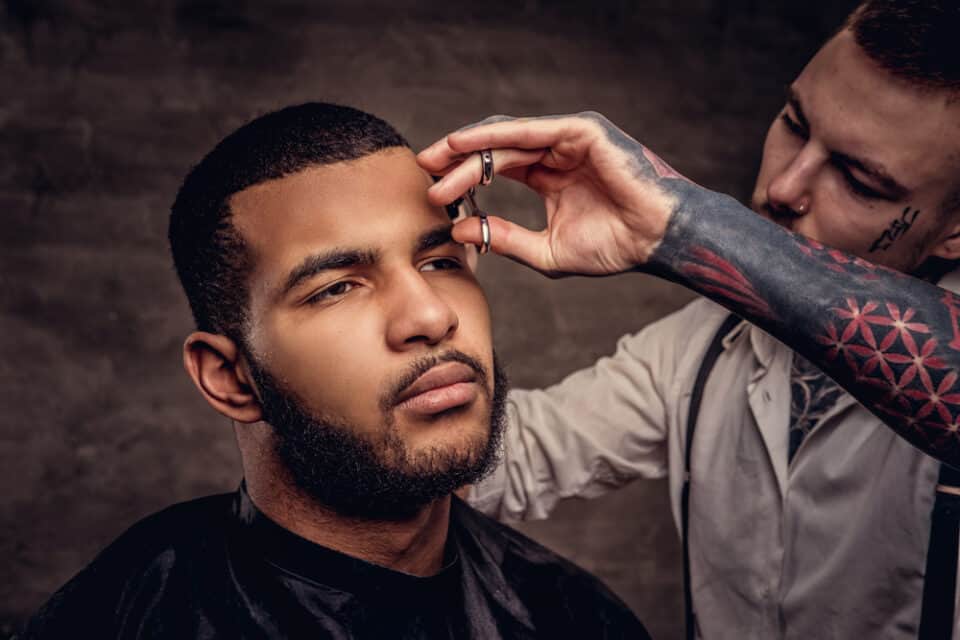
Cultural norms and traditions significantly impact haircut times. Gender roles, social expectations, religious beliefs, geographical location, and socioeconomic status all influence how much time is spent on haircuts, how often they are done, and what types of haircuts are considered acceptable or desirable.
Gender Roles
In many cultures, gender roles dictate the length and style of hair that is considered appropriate for men and women. For example, in some cultures, long hair is seen as a symbol of femininity, while short hair is associated with masculinity. This can lead to significant differences in the amount of time spent on haircuts, as well as the frequency with which they are done.
Social Expectations
Social expectations can also influence haircut duration. In some cultures, it is considered important to have a well-groomed appearance, which can lead to more frequent haircuts. In other cultures, there may be less emphasis on personal appearance, which can result in less frequent haircuts.
Religious Beliefs
Religious beliefs can also play a role in haircut duration. Some religions require their followers to wear their hair in a certain way, which can lead to more frequent haircuts. For example, Sikh men are required to keep their hair long and uncut, which can result in longer haircuts that take more time to complete.
Geographical Location
Geographical location can also affect haircut duration. In urban areas, where there is more access to hair salons and barbershops, people may be more likely to get regular haircuts. In rural areas, where access to these services may be more limited, people may be less likely to get regular haircuts.
Socioeconomic Status, How long does a haircut take
Socioeconomic status can also influence haircut duration. People with higher incomes may be more likely to get regular haircuts at expensive salons, while people with lower incomes may be more likely to get less frequent haircuts at budget-friendly barbershops.
Economic Considerations in Haircut Times
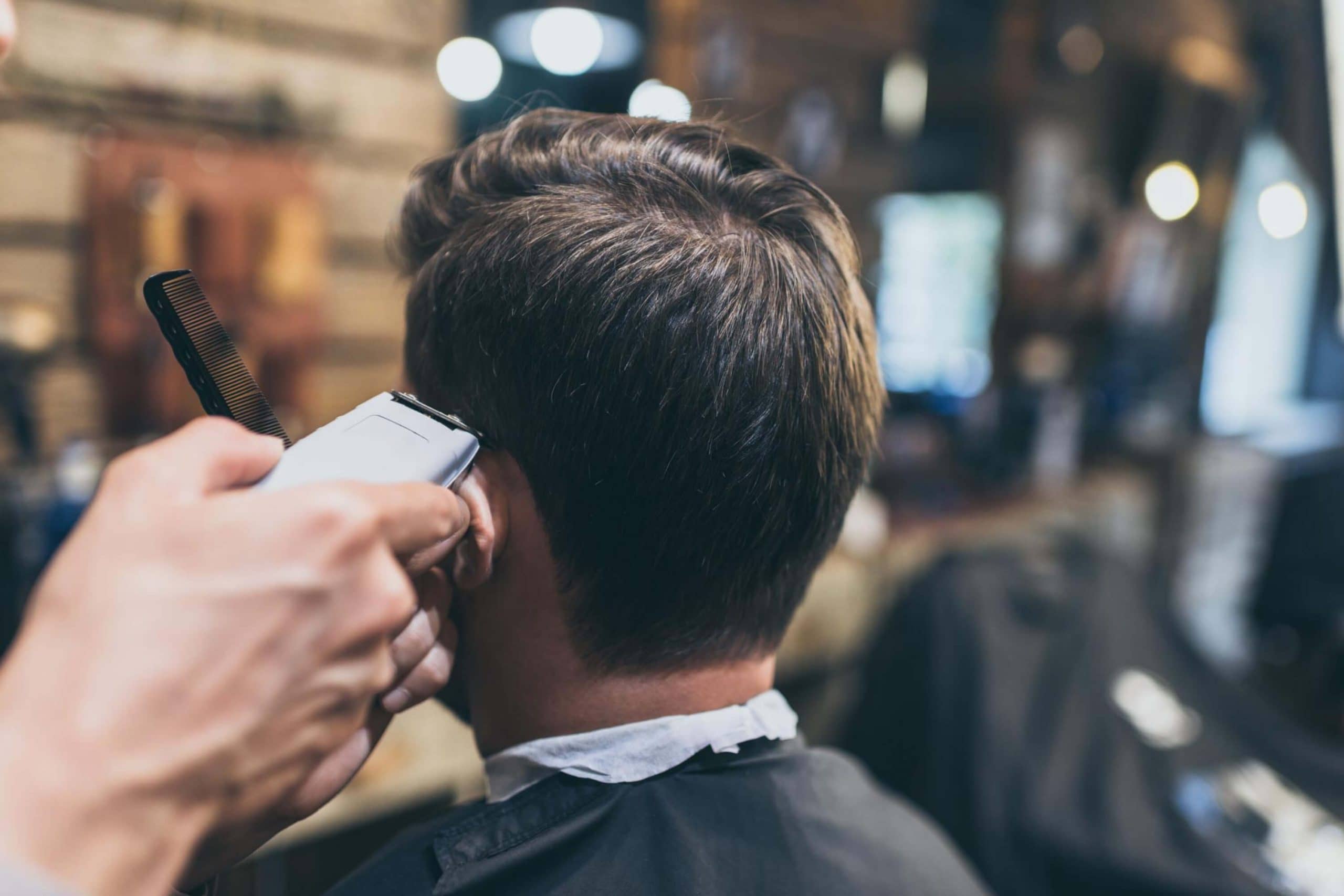
The duration of a haircut can have a significant impact on its cost and accessibility.
Longer haircuts require more time and expertise, which can lead to higher prices. Conversely, shorter, simpler haircuts can be completed more quickly and at a lower cost.
Salon Pricing
- Salons typically charge based on the time it takes to complete a haircut.
- Haircuts that require more time, such as complex styles or color treatments, will typically cost more.
Client Budgets
- Clients need to consider their budget when choosing a haircut.
- More expensive haircuts may not be feasible for everyone, so it’s important to find a style that fits both your needs and your budget.
Environmental Sustainability in Haircut Times
Haircuts, while seemingly a simple and straightforward activity, can have an impact on the environment. Understanding the environmental consequences of haircut times is essential for promoting sustainable practices in the industry.
The duration of a haircut directly influences its environmental footprint. Longer haircuts consume more energy and water, contributing to increased greenhouse gas emissions and water scarcity.
Energy Consumption
- Haircutting requires electricity for lighting, clippers, and other equipment.
- Longer haircuts necessitate more equipment usage, resulting in higher energy consumption.
- Using energy-efficient equipment and practices can significantly reduce the energy footprint of haircuts.
Water Usage
- Hair washing is an integral part of most haircuts, consuming significant amounts of water.
- Long haircuts require multiple washes, increasing water consumption.
- Water-saving techniques, such as using low-flow showerheads and collecting rainwater, can mitigate water usage.
Ethical Implications of Haircut Times
Haircut times involve ethical considerations that impact both hairstylists and clients. These include ensuring fair compensation for hairstylists and prioritizing client satisfaction.
Fair Compensation for Hairstylists
Hairstylists deserve fair compensation for their time and skills. Excessive haircut times can lead to underpayment and burnout. Setting realistic time estimates helps ensure hairstylists are adequately compensated for their services.
Client Satisfaction
Clients should be satisfied with the time it takes for their haircuts. Long wait times can cause inconvenience and frustration. By managing haircut times effectively, hairstylists can improve client satisfaction and build lasting relationships.
Technological Advancements and Haircut Times

Advancements in technology have significantly impacted various industries, including the hairdressing industry. The introduction of automated tools and virtual consultations has the potential to transform haircut times, offering benefits to both hairstylists and clients.
Automated Tools
Automated tools, such as robotic hair cutters, have been developed to assist hairstylists in performing certain tasks, such as trimming and shaping. These tools use precision sensors and advanced algorithms to cut hair with accuracy and consistency. By automating repetitive tasks, hairstylists can save time and focus on more complex aspects of the haircut, such as styling and consultation.
Virtual Consultations
Virtual consultations allow clients to connect with hairstylists remotely through video conferencing platforms. This technology enables clients to discuss their desired haircut, receive professional advice, and schedule appointments from the comfort of their own homes. Virtual consultations can save time for both parties by eliminating the need for in-person consultations, which can be particularly beneficial for clients with busy schedules or limited mobility.
– Predict future trends that could influence haircut durations
The hairdressing industry is constantly evolving, with new trends and technologies emerging all the time. These trends have the potential to significantly impact haircut durations, both in terms of how long they take and how they are performed.
Artificial Intelligence
Artificial intelligence (AI) is already being used in a variety of ways in the hairdressing industry, from automated hair analysis to personalized styling recommendations. In the future, AI could be used to develop even more sophisticated tools that can help hairdressers to cut hair more quickly and efficiently. For example, AI-powered hair analysis could help hairdressers to identify the best haircut for a client’s face shape and hair type. AI-powered styling recommendations could help hairdressers to create customized looks that are tailored to each client’s individual needs.
Personalized Styling
Personalized styling is another trend that is likely to impact haircut durations in the future. As clients become more demanding and expect a more personalized experience, hairdressers will need to find ways to tailor their services to each individual client. This could mean offering a wider range of services, such as hair consultations, scalp treatments, and hair extensions. It could also mean using technology to create personalized styling recommendations and track client progress over time.
Automation in Hair Cutting Tools
Automation is another area that is likely to have a significant impact on haircut durations in the future. Automated hair cutting tools are already available, and they are becoming increasingly sophisticated all the time. In the future, these tools could become even more widespread, and they could eventually replace traditional hair cutting scissors and clippers. Automated hair cutting tools could significantly reduce the time it takes to cut hair, and they could also help to improve the accuracy and consistency of haircuts.
Advancements in Hair Care Products
Advancements in hair care products could also impact haircut durations in the future. New hair care products are being developed all the time, and these products can help to make hair more manageable and easier to cut. For example, new hair smoothing products could make it easier to cut curly or frizzy hair. New hair strengthening products could make it easier to cut fine or damaged hair.
Changing Consumer Preferences
Changing consumer preferences could also impact haircut durations in the future. As consumers become more time-conscious, they may be more likely to opt for shorter, low-maintenance haircuts. They may also be more likely to visit salons that offer express services or that allow them to book appointments online.
Integration of Technology in Salons
The integration of technology in salons is another trend that could impact haircut durations in the future. Salons are increasingly using technology to improve the client experience and to streamline their operations. For example, some salons are using digital signage to display wait times and to promote special offers. Other salons are using online booking systems to make it easier for clients to schedule appointments.
Sustainability and Eco-Friendly Practices
Sustainability and eco-friendly practices are becoming increasingly important to consumers, and this trend is likely to impact the hairdressing industry in the future. Salons are increasingly using eco-friendly products and practices, such as recycling, using energy-efficient appliances, and offering waterless hair washing services. These practices can help to reduce the environmental impact of the hairdressing industry and to appeal to eco-conscious consumers.
Social and Cultural Influences on Hairstyles
Social and cultural influences can also impact haircut durations. For example, the popularity of certain hairstyles can lead to an increase in demand for certain types of haircuts. For example, the popularity of the bob haircut in the 1920s led to an increase in demand for short haircuts. The popularity of the pixie haircut in the 1960s led to an increase in demand for short, choppy haircuts.
Ending Remarks
In conclusion, haircut times are a multifaceted topic influenced by a myriad of factors. By understanding the variables at play, you can effectively communicate your preferences, prepare for your appointment, and make informed decisions to achieve your desired look while respecting the time constraints of both yourself and your stylist. Embrace the art of haircutting, experiment with different styles, and enjoy the transformative power of a well-executed trim.
Question & Answer Hub
What is the average time for a haircut?
The average time for a basic haircut ranges from 30 to 60 minutes, depending on factors such as hair length, texture, and the complexity of the desired style.
How can I reduce the time spent on my haircut?
To minimize haircut time, wash your hair before the appointment, bring clear references of your desired style, and communicate your preferences thoroughly during the consultation.
What factors can increase haircut time?
Factors that can extend haircut time include intricate styling, multiple stylists working simultaneously, and complex haircuts like layered cuts or fades.
