Hairstyles in the 1980’s – Step back in time and immerse yourself in the vibrant world of hairstyles in the 1980s, an era that celebrated individuality, excess, and a touch of rebellion. From towering mullets to voluminous perms and gravity-defying bangs, the hairstyles of the ’80s left an indelible mark on fashion and pop culture.
The ’80s witnessed a fusion of influences, with music, movies, and subcultures shaping the hair trends of the time. Whether you were a rocker, a new wave enthusiast, or simply embraced the era’s over-the-top aesthetic, there was a hairstyle that reflected your style and attitude.
Iconic Hairstyles
The 1980s was a decade of bold and experimental hairstyles that reflected the vibrant and energetic spirit of the time. These iconic hairstyles have left a lasting impact on the fashion and beauty industries, and continue to inspire modern hairstylists and trendsetters.
One of the most defining characteristics of 1980s hairstyles was their volume and height. Hair was teased and backcombed to create towering styles that defied gravity. The mullet, a short and layered cut with long hair in the back, was a popular choice for both men and women.
Celebrity Hairstyles
Celebrities played a major role in popularizing 1980s hairstyles. Madonna’s voluminous curls, Farrah Fawcett’s feathered hair, and Pat Benatar’s spiky mullet became instantly recognizable and widely imitated.
Cultural Significance
1980s hairstyles were not just about fashion; they also reflected the cultural and societal changes of the time. The bold and exaggerated styles were a symbol of individuality and self-expression, and they helped to break down traditional gender roles and beauty standards.
Techniques and Products
To achieve the iconic hairstyles of the 1980s, hairspray, mousse, and teasing combs were essential tools. Hair was often blow-dried upside down to create maximum volume, and then teased and sprayed into place.
Modern Influence
The 1980s hairstyles have had a significant influence on modern hairstyling trends. The use of volume, layers, and texture continues to be popular, and many contemporary hairstyles draw inspiration from the iconic styles of the past.
Mullets
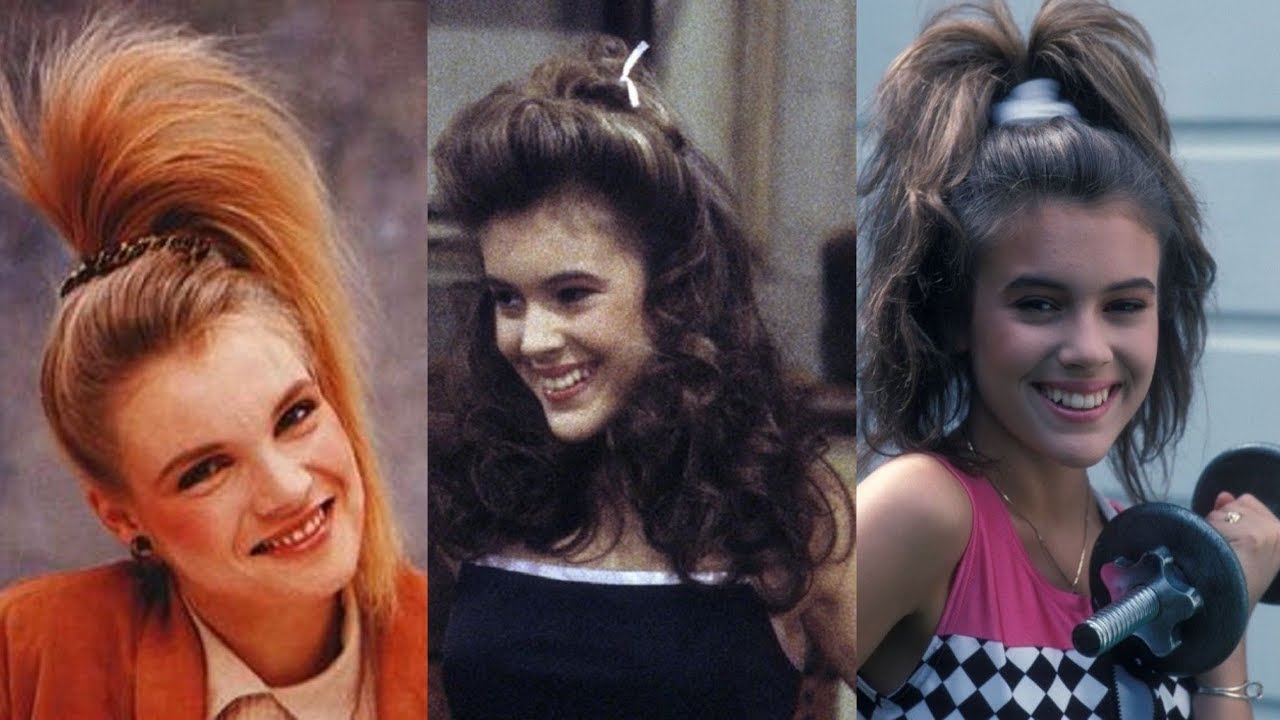
The mullet is a distinctive hairstyle characterized by short hair at the front and sides, and long hair at the back. It became popular in the 1980s, particularly among rock musicians and athletes. The mullet is often associated with a rebellious and non-conformist attitude.
Origins and Cultural Significance
The origins of the mullet are unclear, but it is thought to have originated in the rural areas of the United States. In the 1980s, the mullet was adopted by a wide range of people, from rock stars to athletes to everyday individuals. It became a symbol of the era’s rebellious and non-conformist spirit. The mullet has been featured in numerous films and television shows, and it continues to be popular today, albeit to a lesser extent.
Perms
Perms, short for permanent waves, became a prevalent hair styling technique in the 1980s, transforming straight or slightly wavy hair into voluminous curls or waves. The process involves treating the hair with a chemical solution to break and then reform the hair’s disulfide bonds, resulting in a permanent change in hair texture.
Perm Techniques
There are several perm techniques, each producing different curl patterns and levels of intensity:
- Cold perm: Uses a thioglycolate-based solution applied to the hair at room temperature, resulting in looser, more natural-looking curls.
- Hot perm: Employs a stronger perm solution and heat to achieve tighter, more defined curls.
- Digital perm: A modern technique that uses a computer-controlled heating system to create precise and consistent curls.
Perm Types
The 1980s witnessed a surge in perm popularity, with various types emerging:
- Spiral perm: Creates tight, corkscrew-like curls.
- Body wave perm: Produces loose, flowing waves.
- Spot perm: Targets specific sections of hair, creating curls or waves only in those areas.
Popularity and Decline
Perms gained immense popularity in the 1980s due to their ability to add volume and texture to hair, enhancing hairstyles like the mullet and the shag. However, their popularity declined in subsequent decades as other styling techniques emerged and hair fashion shifted towards straighter, sleeker styles.
| Perm Type | Technique | Popularity |
|---|---|---|
| Spiral perm | Cold or hot perm | Very popular |
| Body wave perm | Cold or hot perm | Moderately popular |
| Spot perm | Cold or hot perm | Less popular |
Hairspray
Hairspray played a pivotal role in the flamboyant hairstyles of the 1980s. It was the secret weapon that held towering bouffants, teased mullets, and voluminous perms in place throughout the day.
Hairspray formulas varied in strength and composition, each catering to specific hair types and desired hold. Some popular types included:
Alcohol-Based Hairsprays, Hairstyles in the 1980’s
- Provided a strong hold and quick-drying formula.
- Ideal for creating stiff, structured styles like bouffants and backcombed hair.
Water-Based Hairsprays
- Offered a softer hold and more natural finish.
- Suitable for everyday styling and less extreme hairstyles.
Aerosol Hairsprays
- Released hairspray in a fine mist, providing even coverage.
- Allowed for easy application and precise styling.
Non-Aerosol Hairsprays
- Dispensed hairspray as a liquid or gel.
- Required more effort to apply and distribute evenly.
The choice of hairspray depended on the desired hold, hair texture, and personal preference. Excessive use of hairspray could lead to hair damage, so it was important to use it in moderation.
Bangs
Bangs were a defining feature of 1980s hairstyles, adding a touch of drama and personality to both men’s and women’s looks. From the soft and feathered to the bold and side-swept, bangs came in a variety of styles, each with its own unique appeal.
Styles of Bangs
- Curtain Bangs: Long, face-framing bangs parted in the middle and swept to the sides, creating a soft and flattering look.
- Side-Swept Bangs: Bangs swept to one side of the face, creating an asymmetrical and dramatic effect.
- Feathered Bangs: Bangs cut into layers and feathered out, adding volume and movement to the hair.
Cultural Significance
Bangs in the 1980s were more than just a hairstyle; they were a symbol of youth rebellion and self-expression. They allowed individuals to break away from traditional hairstyles and create their own unique looks. Bangs were particularly popular among punk, new wave, and heavy metal subcultures, where they were seen as a way to defy societal norms and express individuality. They also became a symbol of fashion and beauty trends, as they were often featured in magazines and on celebrities, making them a desirable look for both men and women.
Hair Accessories
Hair accessories in the 1980s were as varied and vibrant as the decade itself. From oversized bows to colorful scrunchies, these accessories added a touch of personality and style to any hairstyle.
One of the most iconic hair accessories of the 1980s was the headband. Headbands came in a variety of materials, including plastic, metal, and fabric, and were often adorned with beads, sequins, or other embellishments. They were worn by women of all ages and could be dressed up or down depending on the occasion.
Another popular hair accessory of the 1980s was the scrunchie. Scrunchies were made of a soft, elastic material and were used to hold hair in place. They came in a variety of colors and patterns and were often worn on the wrist when not in use.
Other popular hair accessories of the 1980s included barrettes, clips, and hairspray. Barrettes were small, decorative clips that were used to hold back bangs or sections of hair. Clips were larger than barrettes and were often used to hold up hair in a ponytail or bun. Hairspray was used to keep hair in place and to add volume and shine.
Headbands
- Materials: Plastic, metal, fabric
- Price range: $5-$20
- Cultural significance: Headbands were a popular fashion accessory in the 1980s and were often worn by women of all ages.
Scrunchies
- Materials: Elastic, fabric
- Price range: $1-$5
- Cultural significance: Scrunchies were a popular hair accessory in the 1980s and were often worn on the wrist when not in use.
Barrettes
- Materials: Plastic, metal
- Price range: $1-$5
- Cultural significance: Barrettes were a popular hair accessory in the 1980s and were often used to hold back bangs or sections of hair.
Clips
- Materials: Plastic, metal
- Price range: $5-$10
- Cultural significance: Clips were a popular hair accessory in the 1980s and were often used to hold up hair in a ponytail or bun.
Hairspray
- Ingredients: Alcohol, water, polymers
- Price range: $5-$10
- Cultural significance: Hairspray was a popular hair styling product in the 1980s and was used to keep hair in place and to add volume and shine.
Hairstyles for Men
The 1980s witnessed a resurgence of classic hairstyles for men, along with the emergence of new and distinctive styles. Influenced by music and sports icons, men’s hairstyles took on a more elaborate and stylized appearance.
Long Hair and Mullets
Long, flowing hair became popular among men, often styled with perms or curls. The mullet, characterized by short hair in the front and long hair in the back, became a signature style of the decade. This hairstyle was particularly popular among rock and heavy metal musicians, as well as athletes like hockey players.
Spiky Hair
Spiky hair, achieved with the use of hair gel or mousse, became a popular choice for men. This style involved styling the hair upwards, creating a spiky or textured appearance. It was often paired with short sides and a longer top, adding volume and height to the hairstyle.
Undercuts
Undercuts involved shaving or closely trimming the sides of the head, while leaving the hair on top longer. This style created a sharp contrast between the short sides and the longer hair on top, which could be styled in various ways, such as slicked back, combed over, or textured. Undercuts were particularly popular among men in the punk and new wave subcultures.
Flat Tops
Flat tops, a classic hairstyle from the 1950s, made a comeback in the 1980s. This style involved cutting the hair short and flat on top, with a squared-off shape. It was often paired with a shaved or closely trimmed neckline, creating a clean and sharp look. Flat tops were popular among men in the military and law enforcement, as well as among those who wanted a more traditional and conservative hairstyle.
Hairstyles for Women: Hairstyles In The 1980’s
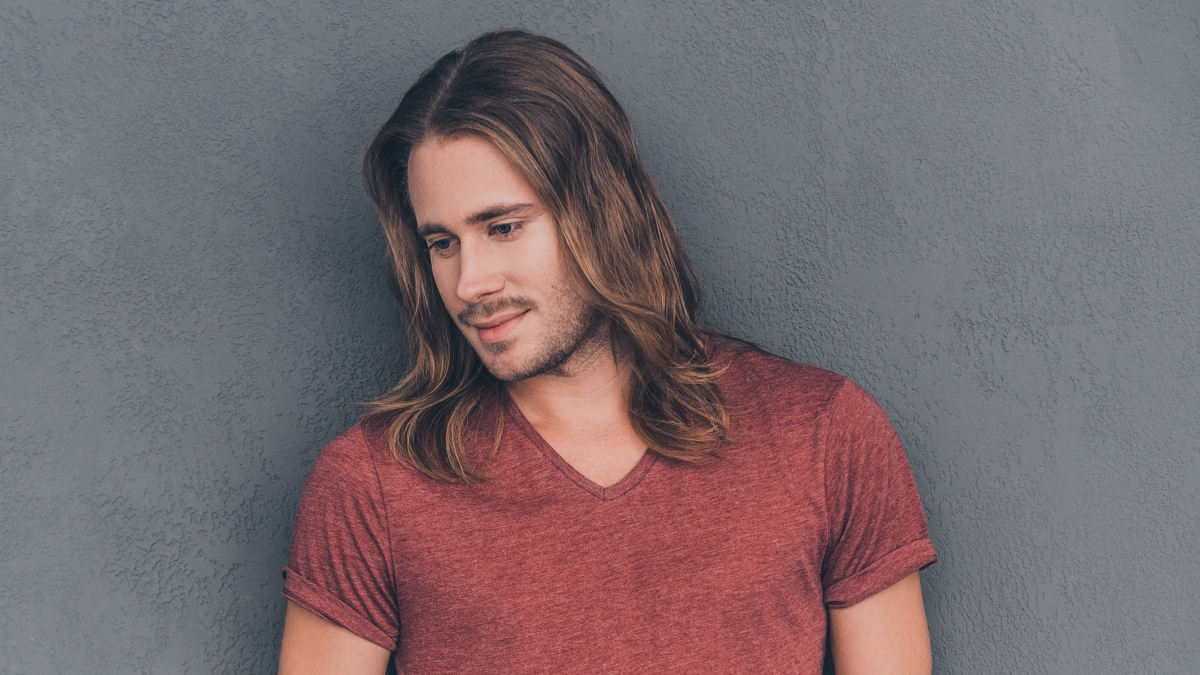
In the 1980s, women’s hairstyles showcased diversity and innovation. The decade saw the rise of bold and voluminous styles that reflected the era’s spirit of excess and experimentation.
The women’s liberation movement had a profound influence on hairstyles. Women sought to express their individuality and break free from traditional beauty standards. This led to the emergence of shorter, more androgynous styles, such as the pixie cut and the mullet.
Short and Edgy
* Pixie cut: A short, layered cut that framed the face and created a youthful, rebellious look.
* Mullet: A controversial style characterized by short hair in the front and longer hair in the back.
* Shag: A layered, textured cut that added volume and movement to hair.
Voluminous and Glamorous
* Big hair: Achieved with the help of blow dryers, curling irons, and hairspray, big hair was a signature style of the decade.
* Perms: Permanent waves added texture and volume to hair, creating a bouncy, voluminous look.
* Teasing: Hair was teased at the roots to create height and lift.
Bangs and Accessories
* Bangs: Side-swept, full, or curtain bangs were popular, adding a touch of drama and femininity to hairstyles.
* Hair accessories: Headbands, scrunchies, and barrettes adorned women’s hair, adding a playful and stylish touch.
Hairstyles in Music Videos
The 1980s music video era was a time of experimentation and excess, and hairstyles were no exception. Music videos provided a visual platform for artists to express their creativity and connect with audiences on a new level. Hairstyles played a crucial role in shaping the visual impact and cultural significance of these videos.
Big Hair
Big, voluminous hair was a defining characteristic of 1980s music videos. Artists like Madonna, Cyndi Lauper, and Bon Jovi sported towering bouffants, teased bangs, and permed locks. This exaggerated hair helped create a sense of drama and theatricality, capturing the attention of viewers and contributing to the overall visual spectacle of the videos.
Asymmetrical Cuts
Asymmetrical haircuts were another popular trend in music videos. Artists like David Bowie and Boy George adopted edgy, asymmetrical styles that defied traditional gender norms. These cuts added an element of rebellion and individuality to the videos, reflecting the countercultural spirit of the 1980s.
Color and Texture
Color and texture played a significant role in music video hairstyles. Neon hues, streaks, and frosted tips were all the rage, creating a vibrant and visually striking look. Artists like Prince and Michael Jackson experimented with bold hair colors and textures, further enhancing the visual appeal of their videos.
Hair Accessories
Hair accessories were an essential part of 1980s music video hairstyles. Headbands, scrunchies, and bows added a touch of playfulness and glamour to the overall look. These accessories helped create memorable and iconic images that have become synonymous with the era.
Conclusion
Hairstyles in 1980s music videos were an integral part of the visual experience. They contributed to the overall impact and cultural significance of the videos, helping to create memorable and iconic images that have stood the test of time.
Hairstyles in Movies
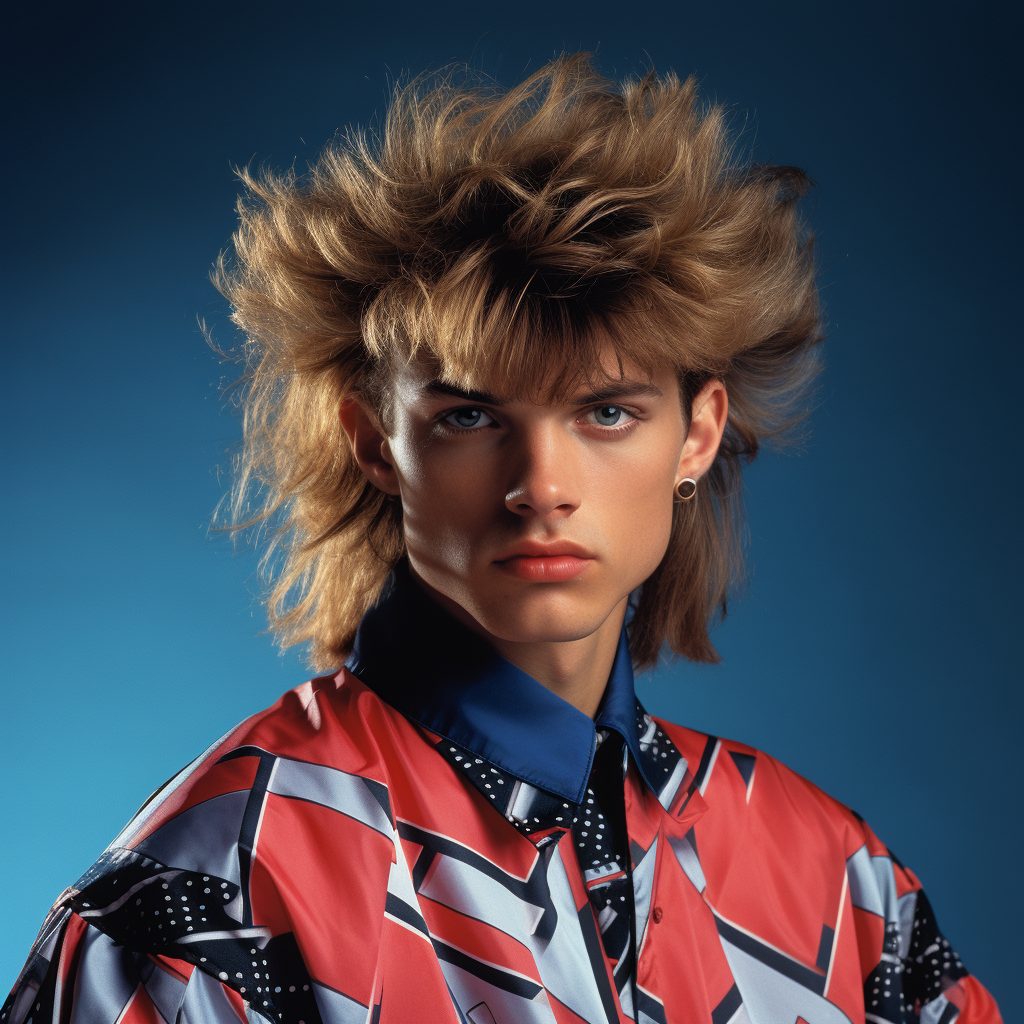
Hairstyles played a significant role in shaping character development and influencing fashion trends in the 1980s movies. From the iconic mullet of Ferris Bueller to the voluminous perm of Marty McFly, hairstyles became an integral part of the cinematic experience.
Iconic Hairstyles in Movies
- Ferris Bueller’s Day Off (1986): Ferris Bueller’s (Matthew Broderick) signature mullet, with its short top and long, flowing back, epitomized the rebellious and carefree spirit of the 1980s.
- Back to the Future (1985): Marty McFly’s (Michael J. Fox) voluminous perm, teased high and styled with plenty of hairspray, became an instant classic and a symbol of the decade’s excess.
- Dirty Dancing (1987): Baby Houseman’s (Jennifer Grey) loose, wavy hair, often adorned with a headband, represented the carefree and romantic summer vibes of the movie.
- The Breakfast Club (1985): Each member of the Breakfast Club had a distinct hairstyle that reflected their personality, from Claire Standish’s (Molly Ringwald) preppy ponytail to John Bender’s (Judd Nelson) shaggy mop.
- Heathers (1988): The Heathers, a group of popular high school girls, were known for their big, teased hair and bright colors, which symbolized their superficial and cliquey nature.
These are just a few examples of the iconic hairstyles that graced the silver screen in the 1980s. They not only added visual flair to the movies but also played a crucial role in shaping the characters and influencing fashion trends of the time.
Hairstyles and Subcultures
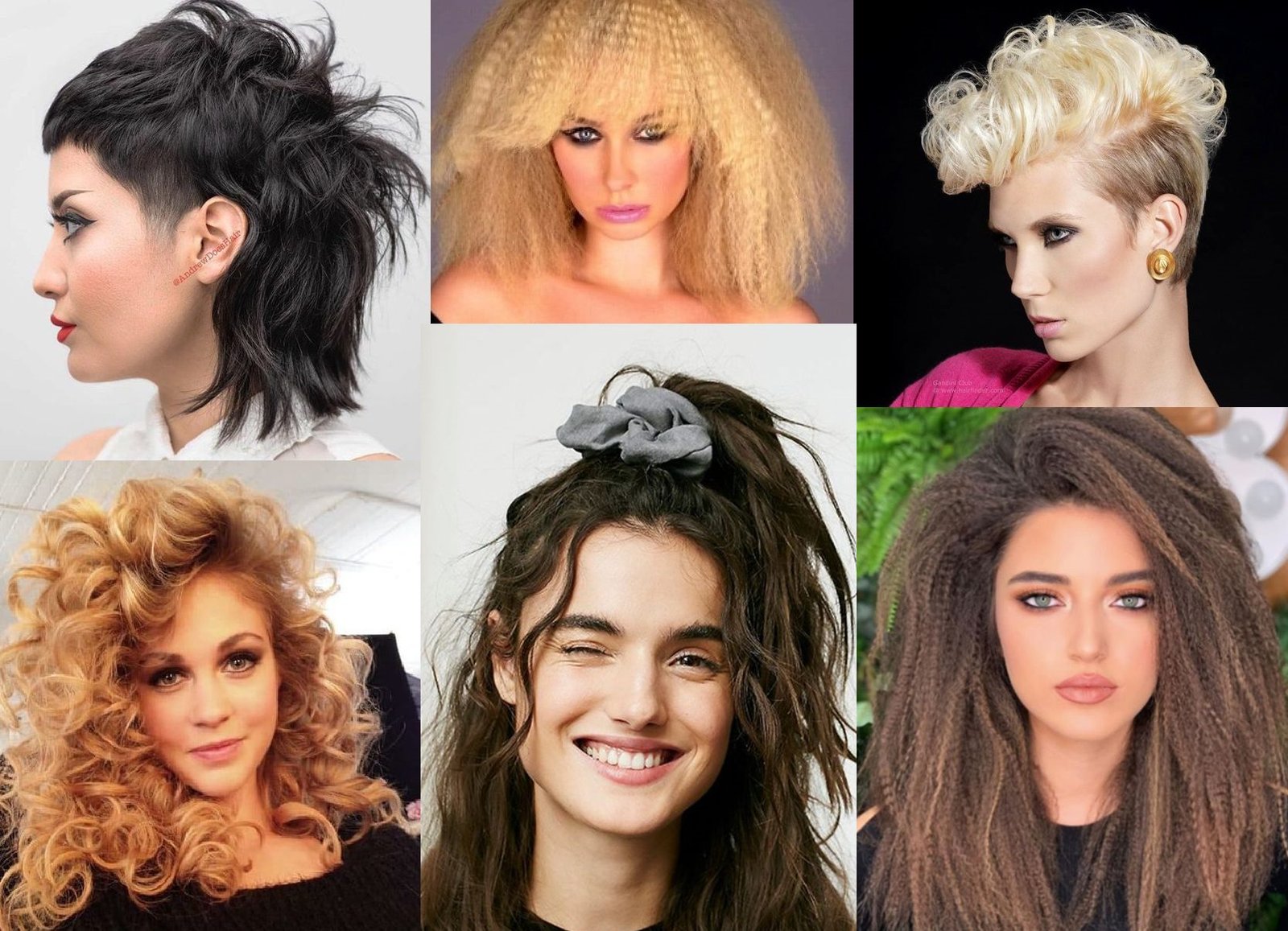
In the 1980s, hairstyles played a crucial role in expressing social and cultural identities, with distinct hairstyles emerging within different subcultures. These hairstyles not only reflected personal style but also served as symbols of group affiliation and rebellion against societal norms.
Punk Subculture
Punk hairstyles were characterized by a rebellious and anti-establishment aesthetic. They often featured short, spiky hair, shaved heads, and brightly colored mohawks. These hairstyles symbolized a rejection of traditional beauty standards and a desire to challenge authority.
New Wave Subculture
New wave hairstyles were influenced by punk but had a more polished and experimental flair. They often featured asymmetrical cuts, feathered hair, and bold colors. These hairstyles reflected the subculture’s eclectic and artistic nature.
Preppy Subculture
Preppy hairstyles were characterized by a clean-cut and polished appearance. They often featured short, well-groomed hair, side parts, and a conservative overall look. These hairstyles symbolized the subculture’s emphasis on tradition and conformity.
Metal Subculture
Metal hairstyles were characterized by long, flowing hair, often worn with a headband or bandana. They also featured perms, teased hair, and heavy use of hairspray. These hairstyles reflected the subculture’s rebellious and heavy metal-inspired aesthetic.
Hip-Hop Subculture
Hip-hop hairstyles were characterized by a variety of styles, including cornrows, dreadlocks, and afros. They often featured intricate designs and were worn with a sense of pride and cultural identity. These hairstyles reflected the subculture’s roots in African American and urban culture.
Hair Salons and Stylists
The 1980s witnessed a surge in the popularity of hair salons and stylists who shaped the iconic hairstyles of the era. These influential figures introduced innovative techniques and trends that revolutionized hairdressing and left a lasting impact on the industry.
Influential Hair Salons and Stylists
Vidal Sassoon (London): Known for precision cutting and geometric shapes, Sassoon modernized hairdressing and popularized the bob and shag haircuts, symbolizing the emancipation of women.
Trevor Sorbie (London): Pioneered punk and new wave styles with creative coloring and layering, including spiky hair and mohawks, reflecting youth rebellion and individuality.
Toni & Guy (London): Inspired by Sassoon’s techniques, Toni & Guy popularized volume and movement with permed mullets and feathered hair, epitomizing the glamour and excess of the 1980s.
Bumble and bumble (New York): Emphasized individuality and self-expression with natural, textured styles such as beachy waves and messy buns, promoting acceptance of diversity.
Frédéric Fekkai (Paris): Defined the “Parisian chic” look with luxurious haircare and blowouts, creating sleek ponytails and voluminous curls, representing sophistication and elegance.
Hairstyles and Beauty Magazines
Beauty magazines played a significant role in shaping the popularity of hairstyles in the 1980s. These magazines featured articles, tutorials, and images that showcased the latest hair trends and styles.
Popular Beauty Magazines of the 1980s
Some of the most popular beauty magazines that featured hairstyles in the 1980s include:
- Vogue
- Elle
- Cosmopolitan
- Glamour
- Seventeen
- YM
These magazines showcased a wide range of hairstyles, from big and bold to sleek and sophisticated. They also featured articles on hair care, hair styling, and hair products.
Influence on Beauty Standards
The hairstyles presented in beauty magazines had a significant influence on beauty standards in the 1980s. The big, voluminous hair that was popular in the early part of the decade gave way to sleeker, more polished styles in the late 1980s. This change in hair fashion was reflected in the pages of beauty magazines, which featured models with the latest and most fashionable hairstyles.
Beauty magazines also helped to popularize certain hair products and styling techniques. For example, the use of hairspray and mousse became increasingly common in the 1980s, as these products helped to create the big, voluminous hairstyles that were so popular at the time.
Social and Cultural Factors
The popularity of certain hairstyles in the 1980s was influenced by a number of social and cultural factors. These factors include:
- The rise of MTV and other music video channels
- The popularity of movies featuring actors with big, voluminous hair
- The growing emphasis on physical appearance and beauty
- The desire to stand out from the crowd
These factors helped to create a climate in which big, bold hairstyles were seen as fashionable and desirable.
Last Point
The hairstyles of the 1980s continue to inspire and influence contemporary fashion and beauty trends. They serve as a reminder of a time when self-expression and individuality reigned supreme. Whether you choose to embrace the iconic looks of the era or simply admire their nostalgic charm, the hairstyles of the ’80s remain a testament to the enduring power of creativity and self-expression.
Questions Often Asked
What were the most popular hairstyles for women in the 1980s?
Women in the ’80s embraced a wide range of hairstyles, including big, voluminous perms, feathered bangs, and sleek ponytails. They also experimented with bold colors and highlights.
How did hairspray contribute to the iconic hairstyles of the 1980s?
Hairspray was essential for achieving the gravity-defying volume and hold that characterized many ’80s hairstyles. It helped to keep perms in place, add body to bangs, and create the illusion of thicker, fuller hair.
What was the significance of bangs in the 1980s?
Bangs were a defining feature of many ’80s hairstyles, particularly among young people. They symbolized youth rebellion and self-expression, and were often associated with subcultures such as punk and new wave.