Hairstyles for thin hair over 50 can be a challenge, but with the right techniques and products, it’s possible to create the illusion of thicker, fuller hair. This guide will provide tips and tricks for styling thin hair, including short, medium, and long hairstyles, as well as recommendations for hair products and styling tools.
When styling thin hair, it’s important to focus on creating volume and movement. This can be achieved through the use of layers, texture, and root lifting techniques. Avoid using heavy products that can weigh hair down, and opt for volumizing shampoos, conditioners, and styling products.
Hairstyle Considerations for Thin Hair Over 50
Thinning hair is a common concern for women over 50. As we age, our hair follicles produce less hair, and the hair that does grow is often finer and thinner. This can make it difficult to style our hair and achieve the volume and fullness we desire.
However, there are a number of hairstyles that can help to create the illusion of thicker, fuller hair. These styles typically incorporate volume, texture, and movement.
Flattering Hairstyles for Thin Hair
Some of the most flattering hairstyles for thin hair over 50 include:
- Short, layered styles
- Medium-length styles with bangs
- Long styles with layers and texture
Creating Volume at the Roots
One of the most important things you can do to create the illusion of thicker hair is to add volume at the roots. This can be done by using a volumizing shampoo and conditioner, blow-drying your hair upside down, or using a root lifter.
Adding Texture and Movement
Another way to make thin hair look thicker is to add texture and movement. This can be done by using a curling iron or wand, or by applying a texturizing spray or mousse.
Short Hairstyles for Thin Hair
For women over 50 with fine or thinning hair, embracing shorter hairstyles can bring forth an illusion of fullness and volume. Short hairstyles not only reduce the weight on the hair strands, allowing them to appear thicker, but also offer versatility in styling to create a flattering and youthful look.
Here are a few examples of short hairstyles that are particularly well-suited for fine or thinning hair:
- Pixie Cut: This timeless classic is a perfect choice for those who want to make a bold statement. With its short, layered style, the pixie cut adds instant volume and texture to the hair, giving it a fuller appearance.
- Bob with Layers: A bob with layers is a versatile hairstyle that can be customized to suit different face shapes and hair textures. The layers create movement and volume, while the shorter length helps to reduce the weight on the hair.
- Asymmetrical Bob: An asymmetrical bob is a great way to add interest and volume to fine hair. The uneven length creates a sense of movement and fullness, while the shorter side can help to balance out a round face shape.
- Short Shag: A short shag is a layered haircut that is perfect for adding volume and texture to fine hair. The layers create movement and body, while the shorter length helps to reduce the weight on the hair.
Styling Tips for Short Hair
In addition to choosing the right haircut, there are several styling tips that can help to create the illusion of thicker hair:
- Use Volumizing Products: Volumizing shampoos, conditioners, and styling products can help to create the illusion of thicker hair. These products often contain ingredients that plump up the hair shaft, giving it a fuller appearance.
- Blow Dry Upside Down: When blow drying your hair, flip it upside down to create volume at the roots. This will help to lift the hair away from the scalp and give it a fuller look.
- Use a Root Lifter: A root lifter is a product that can be applied to the roots of the hair to create volume. These products often contain polymers that adhere to the hair shaft, giving it a thicker appearance.
- Tease Your Hair: Teasing your hair can help to create volume at the roots. However, be careful not to tease your hair too much, as this can damage the hair.
- Use Dry Shampoo: Dry shampoo can help to absorb excess oil from the hair, which can weigh it down and make it look thinner. Dry shampoo can also help to create volume at the roots.
– Explore different types of layers, such as long layers, short layers, and textured layers.
Layering is a versatile technique that can add volume, movement, and style to thin hair. Different types of layers can create different effects, so it’s important to choose the right type for your hair type and desired look.
Long layers, Hairstyles for thin hair over 50
Long layers are a good option for women with medium to long hair. They start below the chin and gradually get longer towards the ends. This type of layering creates a soft, flowing look that can add volume and movement to thin hair.
Short layers
Short layers start higher up on the head, around the crown or temples. They are a good option for women with shorter hair or who want to add more volume to the top of their head. Short layers can create a more edgy or textured look.
Textured layers
Textured layers are created by using a razor or thinning shears to remove weight from the hair. This type of layering creates a more piecey, textured look that can add volume and movement to thin hair.
Long Hairstyles for Thin Hair

Styling long, thin hair can be challenging due to its lack of volume and body. However, there are several solutions available to add length and volume to long hair.
Layers
Adding layers to long hair can create the illusion of volume and movement. Long layers, starting from the cheekbones or chin, can help to frame the face and add body to the hair. Short layers, starting higher up on the head, can add volume to the crown of the head. Textured layers, created using a razor or texturizing shears, can add texture and movement to the hair, making it appear thicker.
Layered Hairstyles for Thin Hair
Layering is a great way to add volume and movement to thin hair. By cutting the hair in different lengths, layers create the illusion of thicker, fuller hair. They can also help to frame the face and accentuate your best features.
Benefits of Layering
* Adds volume and movement to thin hair
* Creates the illusion of thicker, fuller hair
* Can help to frame the face and accentuate your best features
* Versatile, can be styled in a variety of ways
* Easy to maintain
Types of Layers
There are many different types of layers that can be used to create different looks. Some of the most popular types of layers for thin hair include:
* Long layers: Long layers are cut below the shoulders and can help to create a more voluminous look.
* Short layers: Short layers are cut above the shoulders and can help to add volume and movement to the hair.
* Textured layers: Textured layers are cut with a razor or thinning shears to create a more textured look. This can help to add volume and movement to the hair, and can also help to reduce the appearance of split ends.
Bob Hairstyles for Thin Hair
Bob hairstyles offer a versatile and flattering option for women over 50 with thin hair. Bobs can enhance volume and shape, creating the illusion of thicker, fuller hair.
To create volume in a bob, hairstylists use techniques such as layering, texturizing, and root lifting. Layering involves cutting the hair in graduated lengths, adding movement and dimension. Texturizing involves using razors or shears to create tiny cuts in the hair, which roughens the cuticle and makes the hair appear thicker. Root lifting involves teasing or blow-drying the hair at the roots to create height and volume.
Types of Bob Hairstyles
There are many different types of bob hairstyles, including:
- Short bobs: Short bobs are cut above the chin, often to the jawline or earlobes. They are a great option for women who want a low-maintenance style that is easy to style.
- Long bobs (lobs): Lobs are cut below the chin, often to the shoulders or collarbone. They offer more length and versatility than short bobs, and can be styled in a variety of ways.
- Angled bobs: Angled bobs are cut with a shorter length in the back and a longer length in the front. This creates a flattering angle that helps to frame the face and add volume.
Styling Tips
To style a bob on thin hair, use volumizing products such as mousses, sprays, or shampoos. These products can help to create body and lift at the roots. You can also use heat styling tools such as blow dryers, curling irons, or flat irons to add volume and shape to your hair.
Hair Textures
Bob hairstyles are best suited for women with fine to medium hair textures. Coarse hair textures may be too thick for a bob, and may not hold volume as well.
Maintenance
Bob hairstyles require regular trims to maintain their shape and volume. Depending on your hair growth rate, you may need to get a trim every 4-6 weeks. You can also style your bob at home using volumizing products and heat styling tools.
Pixie Hairstyles for Thin Hair
Pixie cuts are a great option for women over 50 with thin hair. They are short and easy to style, and they can help to create the illusion of thicker, fuller hair. Pixie cuts can also be very flattering, and they can help to highlight your best features.
There are many different types of pixie cuts, so you can find one that suits your face shape and personal style. If you have thin hair, you may want to consider a pixie cut with layers. Layers can help to add volume and movement to your hair, and they can also help to create the illusion of thicker hair.
Styling Tips
Here are a few tips for styling pixie cuts for thin hair:
– Use a volumizing shampoo and conditioner.
– Blow dry your hair upside down to create volume.
– Use a root lifter or volumizing spray at the roots of your hair.
– Tease the crown of your hair to create height.
– Use a light-hold hairspray to keep your style in place.
Bangs for Thin Hair
Bangs can play a crucial role in adding volume and framing the face for individuals with thin hair over 50. They can create the illusion of fullness and draw attention to the eyes, enhancing overall facial features.
Types of Bangs for Thin Hair
- Wispy Bangs: These sheer and delicate bangs add subtle volume and movement without weighing down the hair.
- Side-Swept Bangs: Parted to one side, side-swept bangs create an elegant and flattering frame for the face, while adding volume to the crown.
- Choppy Bangs: Cut into uneven lengths, choppy bangs create texture and volume, making them ideal for fine or thin hair.
- Arched Bangs: Curved slightly upwards, arched bangs lift the hair at the roots, giving the illusion of height and fullness.
Styling Bangs for Volume
To maximize volume and create a flattering look with bangs on thin hair, consider the following tips:
- Use a volumizing shampoo and conditioner.
- Blow dry bangs upside down.
- Apply a root-lifting spray or mousse.
- Tease the roots of the bangs gently.
- Avoid overusing styling products, which can weigh down the hair.
Table: Comparison of Bangs for Thin Hair
| Type | Pros | Cons |
|—|—|—|
| Wispy Bangs | Sheer and delicate, adds subtle volume | May not provide significant coverage |
| Side-Swept Bangs | Elegant and flattering, adds volume to the crown | Can be difficult to style on windy days |
| Choppy Bangs | Creates texture and volume, ideal for fine hair | May require frequent trims to maintain shape |
| Arched Bangs | Lifts hair at the roots, giving the illusion of height | Can be challenging to cut and style correctly |
Tips for Maintaining Bangs on Thin Hair
- Get regular trims to prevent split ends and keep bangs healthy.
- Use a wide-tooth comb to detangle bangs gently.
- Avoid brushing bangs when they are wet, as this can cause breakage.
- Use a light-hold hairspray to keep bangs in place without weighing them down.
- Consider using a dry shampoo to absorb excess oil and add volume.
Hair Products for Thin Hair
Thin hair requires special care and attention to maintain its volume and thickness. Using the right hair products can make a significant difference in the appearance of your hair.
Hair products specifically designed for thin hair are formulated with ingredients that help to create volume, add thickness, and improve the overall health of your hair.
Recommended Hair Products
| Product | Key Ingredients | Benefits |
|---|---|---|
| Volumizing Shampoo | Keratin, Biotin | Adds volume and body to hair |
| Thickening Conditioner | Panthenol, Collagen | Strengthens and thickens hair shafts |
| Root Lifter | Glycerin, Alcohol | Creates lift at the roots for added volume |
| Volumizing Mousse | Polymers, Dimethicone | Provides hold and volume without weighing hair down |
| Hairspray | Alcohol, Resins | Holds hair in place and adds texture |
How to Use Hair Products for Thin Hair
To get the best results from hair products for thin hair, it’s important to use them correctly. Here are some tips:
- Start with a volumizing shampoo and conditioner.
- Apply a root lifter to the roots of your hair before blow-drying.
- Use a volumizing mousse to add volume and hold to your hair.
- Finish with a hairspray to hold your style in place.
Tips for Styling Thin Hair
- Avoid over-washing your hair, as this can strip away natural oils and make hair look thinner.
- Use a wide-toothed comb to detangle your hair to avoid breakage.
- Blow-dry your hair upside down to create volume at the roots.
- Use a round brush to curl the ends of your hair for added volume.
- Add layers to your hair to create the illusion of thickness.
Using the right hair products can make a big difference in the appearance of thin hair. By following these tips, you can achieve thicker, fuller, and more voluminous hair.
Styling Techniques for Thin Hair
Styling techniques play a crucial role in creating the illusion of volume and fullness in thin hair. Understanding the right techniques and using the appropriate tools can make a significant difference in the overall appearance of your hair.
Using Blow Dryers
Blow dryers are an essential tool for volumizing thin hair. Start by towel-drying your hair to remove excess moisture. Use a round brush and direct the airflow towards the roots, lifting the hair as you dry. Focus on the crown and top sections of your hair, where volume is most desired.
Volumizing Products
Volumizing products, such as shampoos, conditioners, and styling sprays, are designed to add body and lift to thin hair. Look for products that contain ingredients like keratin, collagen, or panthenol, which help to strengthen and thicken the hair strands.
Teasing
Teasing is a technique that involves gently backcombing the hair to create volume. Use a fine-toothed comb and tease small sections of hair at the roots, focusing on the areas where you want to add lift. Be careful not to tease too much, as this can damage the hair.
Root Lifting Sprays
Root lifting sprays are temporary styling products that can instantly add volume to the roots of your hair. Spray the product onto the roots and massage it in, then style as usual. Root lifting sprays can help to create a more voluminous foundation for your hairstyle.
Hair Accessories for Thin Hair: Hairstyles For Thin Hair Over 50
Thin hair can be enhanced with the use of hair accessories that add volume and style. These accessories can help create the illusion of thicker, fuller hair.
One type of hair accessory that is particularly effective for thin hair is the hair topper. Hair toppers are designed to add volume and coverage to the top of the head, where hair is often thinnest. They are made from real or synthetic hair and are available in a variety of colors and styles to match your own hair.
Hair Extensions
Hair extensions are another option for adding volume and length to thin hair. Extensions are available in a variety of lengths, colors, and textures, so you can find the perfect match for your own hair. They can be attached to your hair using a variety of methods, including clips, tape, or glue.
Headbands and Scarves
Headbands and scarves can also be used to add volume and style to thin hair. Headbands can be worn on the forehead or around the back of the head, and they can be made from a variety of materials, including fabric, plastic, or metal. Scarves can be worn around the head, neck, or shoulders, and they can be made from a variety of materials, including silk, cotton, or wool.
– Explain how hair color can create the illusion of thicker hair.

Hair color can create the illusion of thicker hair by adding depth and dimension. When light and dark shades are strategically placed, they can create the appearance of more volume and fullness. This is because the eye is drawn to the lighter areas, which makes the hair look thicker.
Tips for Choosing Flattering Hair Colors for Thin Hair
When choosing a hair color for thin hair, it is important to consider your skin tone and eye color. If you have fair skin and light eyes, you may want to choose a light hair color, such as blonde or light brown. This will help to create a more youthful and fresh look. If you have darker skin and eyes, you may want to choose a darker hair color, such as brown or black. This will help to create a more sophisticated and glamorous look.
| Hair Color | Suitability for Thin Hair |
|---|---|
| Blonde | Yes |
| Light Brown | Yes |
| Medium Brown | Yes |
| Dark Brown | Yes |
| Black | Yes |
| Red | Yes |
| Purple | Yes |
| Blue | No |
| Green | No |
How to Care for Color-Treated Thin Hair
Color-treated hair is more fragile than untreated hair, so it is important to take extra care of it. Be sure to use a gentle shampoo and conditioner, and avoid using harsh styling products. You should also get regular trims to remove any split ends.
Celebrities with Thin Hair Who Have Used Hair Color to Enhance the Appearance of Their Hair
- Jennifer Aniston
- Reese Witherspoon
- Kate Middleton
- Gwyneth Paltrow
- Sarah Jessica Parker
Script for a Video Tutorial on How to Choose the Right Hair Color for Thin Hair
Intro:
Hi, I’m [your name], and I’m here to talk to you about how to choose the right hair color for thin hair. I know that finding the right hair color can be a challenge, but I’m here to help.
Body:
The first thing you need to consider when choosing a hair color is your skin tone. If you have fair skin, you may want to choose a light hair color, such as blonde or light brown. This will help to create a more youthful and fresh look. If you have darker skin, you may want to choose a darker hair color, such as brown or black. This will help to create a more sophisticated and glamorous look.
Once you have considered your skin tone, you need to think about your eye color. If you have light eyes, you may want to choose a hair color that is close to your natural color. This will help to create a more natural look. If you have dark eyes, you may want to choose a hair color that is a bit darker than your natural color. This will help to create a more dramatic look.
Finally, you need to consider your lifestyle. If you are a busy person who doesn’t have a lot of time to style your hair, you may want to choose a low-maintenance hair color. This will help to save you time and effort.
Outro:
I hope this video has helped you to choose the right hair color for thin hair. If you have any questions, please feel free to leave a comment below.
Hair Color Trends That Are Particularly Flattering for Thin Hair
- Balayage: Balayage is a hair coloring technique that creates a natural-looking, sun-kissed effect. It is a great way to add depth and dimension to thin hair.
- Ombré: Ombré is a hair coloring technique that creates a gradual transition from one hair color to another. It is a great way to add a touch of color to thin hair without making it look too heavy.
- Highlights: Highlights are a great way to add brightness and dimension to thin hair. They can be placed throughout the hair or just in certain areas, such as the face-framing.
Healthy Hair Practices for Thin Hair
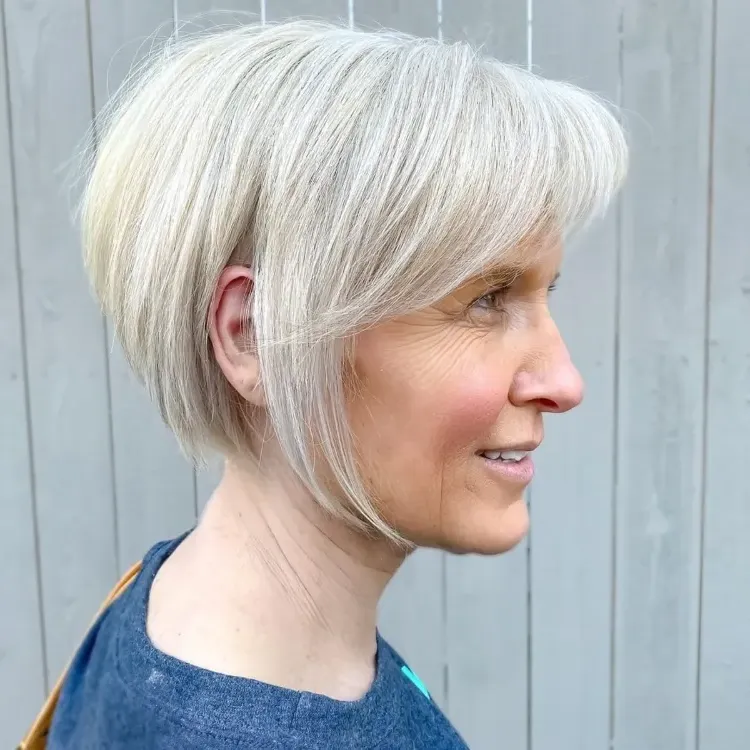
Maintaining healthy, thick hair is crucial for preventing hair loss and promoting hair growth. Here are some essential hair care practices to follow:
Wash your hair less frequently: Over-washing can strip your hair of its natural oils, leading to dryness and breakage. Aim to wash your hair 2-3 times per week, or less if possible.
Use a gentle shampoo and conditioner: Harsh shampoos and conditioners can damage your hair, making it more prone to breakage. Choose products that are sulfate-free and designed for fine hair.
Avoid heat styling: Heat styling tools can damage your hair, leading to breakage and hair loss. If you must use heat, use a heat protectant spray and keep the temperature as low as possible.
Get regular trims: Regular trims remove split ends, which can travel up the hair shaft and cause breakage. Aim to get a trim every 6-8 weeks.
Eat a healthy diet: A healthy diet rich in fruits, vegetables, and whole grains provides your hair with the nutrients it needs to grow strong and healthy.
Manage stress: Stress can contribute to hair loss. Find healthy ways to manage stress, such as exercise, yoga, or meditation.
– Categorize hairstyles based on hair type (e.g., fine, medium, thick) and hair length (e.g., short, medium, long).
When selecting a hairstyle for thin hair over 50, it’s crucial to consider your hair type and length. Fine hair lacks volume and density, while medium hair offers a balance of both. Thick hair has more volume and can hold styles better.
Short hairstyles can create the illusion of fullness, while medium hairstyles provide versatility and movement. Long hairstyles can weigh hair down, but with proper layering and styling, they can still flatter thin hair.
Hair Type and Length Considerations
- Fine hair: Opt for short to medium styles with layers to add volume. Avoid long, heavy styles that can weigh hair down.
- Medium hair: Medium to long styles with layers work well for medium hair. Use volumizing products and blow-dry hair upside down for added lift.
- Thick hair: Thick hair can handle longer styles and more dramatic layers. However, avoid over-layering, as it can create a bulky appearance.
Last Point
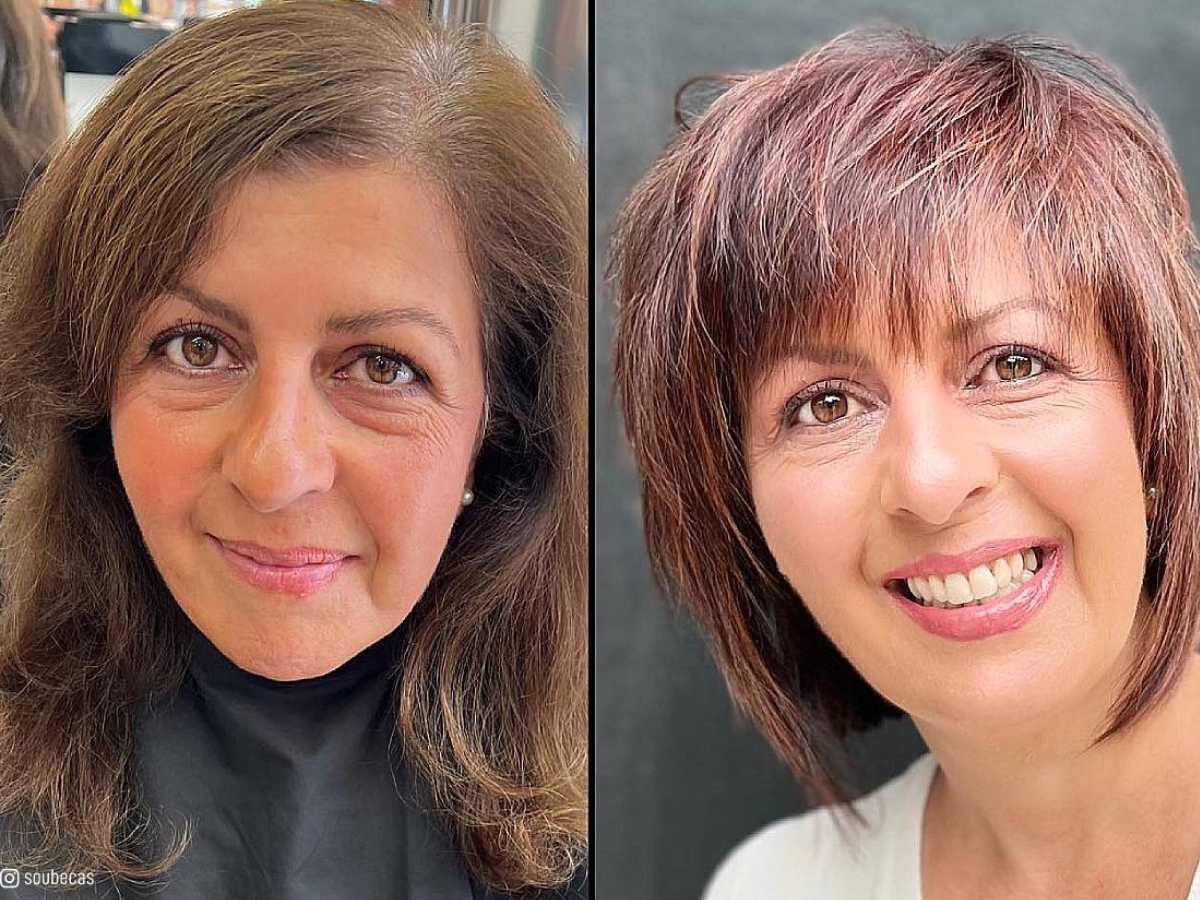
By following these tips, you can create beautiful, voluminous hairstyles for thin hair over 50. Remember to experiment with different styles and products to find what works best for you.
Answers to Common Questions
What are the best hairstyles for thin hair over 50?
The best hairstyles for thin hair over 50 are those that create volume and movement. This can be achieved through the use of layers, texture, and root lifting techniques.
What are some tips for styling thin hair?
When styling thin hair, it’s important to avoid using heavy products that can weigh hair down. Opt for volumizing shampoos, conditioners, and styling products, and use techniques that create volume, such as blow drying upside down and using root lifting products.
What are some good hair products for thin hair?
There are a number of good hair products for thin hair available on the market. Look for products that are designed to add volume and thickness, and avoid products that contain heavy ingredients that can weigh hair down.