Welcome to the world of hairstyle ideas for guys! In this guide, we’ll explore a wide range of styles, from classic cuts to modern trends, to help you find the perfect look for your face shape, hair texture, and personal style.
Whether you’re looking for a fresh new look or just want to switch things up, we’ve got you covered. So sit back, relax, and let’s dive into the exciting world of men’s hairstyles.
Hairstyle Variations
Guys have a wide range of hairstyle options to choose from, each with its own unique variations. From classic cuts like fades and tapers to modern styles like undercuts and pompadours, there’s a hairstyle to suit every face shape, hair texture, and personal style.
Let’s explore the different types of hairstyles for guys, their variations, and how they can be customized to create a unique look.
Fades
Fades are a type of haircut that gradually transitions from short hair on the sides and back to longer hair on top. They come in a variety of styles, including high fades, low fades, and skin fades.
- High fade: The fade starts high on the sides and back, creating a dramatic contrast between the short and long hair.
- Low fade: The fade starts lower on the sides and back, resulting in a more subtle transition between the short and long hair.
- Skin fade: The fade extends all the way down to the skin, creating a clean and sharp look.
Tapers
Tapers are similar to fades, but they create a more gradual transition from short hair to long hair. They are often used to create a classic and professional look.
- Regular taper: The taper starts at the natural hairline and gradually transitions to longer hair on top.
- Drop fade taper: The taper starts lower on the sides and back, creating a more dramatic transition between the short and long hair.
Undercuts
Undercuts are characterized by short hair on the sides and back, with longer hair on top that is styled in a variety of ways. They can be worn with a slicked-back look, a messy quiff, or anything in between.
- Classic undercut: The sides and back are shaved or trimmed very short, while the top is left long and styled.
- Disconnected undercut: The sides and back are shaved or trimmed very short, creating a sharp contrast with the longer hair on top.
Pompadours
Pompadours are a classic hairstyle that features a voluminous, swept-back top with shorter sides and back. They can be styled with a variety of products, from pomades to gels, to create different looks.
- Classic pompadour: The hair is swept back from the forehead and styled into a voluminous pompadour.
- Modern pompadour: The pompadour is less voluminous and more textured, creating a more modern and relaxed look.
Face Shape Considerations
Choosing a hairstyle that complements your face shape can enhance your overall appearance. To determine your face shape, stand in front of a mirror and trace the Artikel of your face. Consider the following characteristics:
Oval Faces
- Balanced proportions
- Widest at the cheekbones
- Most hairstyles suit oval faces
Round Faces
- Short and wide
- Rounded chin
- Hairstyles that add height and volume are suitable
Square Faces
- Angular jawline
- Broad forehead
- Hairstyles that soften the angles are recommended
Triangular Faces
- Narrow forehead
- Wide jawline
- Hairstyles that balance the forehead and jawline are appropriate
| Face Shape | Characteristics | Hairstyles that Suit |
|---|---|---|
| Oval | Balanced proportions, widest at cheekbones | Most hairstyles |
| Round | Short and wide, rounded chin | Hairstyles that add height and volume |
| Square | Angular jawline, broad forehead | Hairstyles that soften the angles |
| Triangular | Narrow forehead, wide jawline | Hairstyles that balance the forehead and jawline |
Consider these tips when choosing a hairstyle that complements your face shape:
- Avoid hairstyles that emphasize your face shape’s less flattering features.
- Experiment with different hairstyles to find what suits you best.
- Consult with a hairstylist for professional advice.
Hair Texture and Density
Hair texture and density play a significant role in determining the best hairstyles for men. Texture refers to the thickness or thinness of individual hair strands, while density indicates the number of hair follicles per square inch of scalp.
To determine your hair texture, run your fingers through your hair when it’s dry. If your hair feels coarse and rough, you have thick hair. If it feels fine and smooth, you have thin hair. You can also use a hair porosity test to determine your hair’s ability to absorb moisture.
Hair density can be determined by parting your hair and counting the number of hairs in a one-inch square section. If you have less than 100 hairs, you have low hair density. If you have between 100 and 150 hairs, you have medium hair density. If you have more than 150 hairs, you have high hair density.
Hairstyles for Different Hair Textures and Densities
The following are some general guidelines for choosing hairstyles based on hair texture and density:
- Thick hair: Thick hair can handle more weight and volume, so it can be styled in a variety of ways. Some popular hairstyles for thick hair include short fades, undercuts, and pompadours.
- Thin hair: Thin hair can be more difficult to style, but there are still many options available. Some popular hairstyles for thin hair include short cuts, side parts, and slicked-back styles.
- Low hair density: Low hair density can make hair look thin and sparse. To add volume, try using volumizing products and styling your hair in a way that creates height.
- High hair density: High hair density can make hair look thick and heavy. To reduce bulk, try using thinning shears or styling your hair in a way that creates layers.
Table of Hair Texture and Density Characteristics
| Hair Texture | Hair Density | Characteristics | Hairstyle Recommendations |
|---|---|---|---|
| Thick | Low | Coarse, rough, difficult to style | Short fades, undercuts, pompadours |
| Thick | Medium | Coarse, rough, but more manageable | Short cuts, side parts, slicked-back styles |
| Thick | High | Coarse, rough, very difficult to style | Short cuts, buzz cuts, crew cuts |
| Thin | Low | Fine, smooth, easy to style | Short cuts, side parts, slicked-back styles |
| Thin | Medium | Fine, smooth, but can be difficult to hold volume | Short cuts, layered styles, bobs |
| Thin | High | Fine, smooth, very difficult to hold volume | Short cuts, pixie cuts, buzz cuts |
Care for Different Hair Textures and Densities
The following are some tips for caring for hair with different textures and densities:
- Thick hair: Thick hair can be prone to dryness, so it’s important to use a moisturizing shampoo and conditioner. You should also avoid over-washing your hair, as this can strip it of its natural oils.
- Thin hair: Thin hair can be prone to breakage, so it’s important to use a gentle shampoo and conditioner. You should also avoid using harsh styling products, as these can damage your hair.
- Low hair density: Low hair density can make hair look thin and sparse, so it’s important to use volumizing products and styling techniques to create the illusion of thicker hair.
- High hair density: High hair density can make hair look thick and heavy, so it’s important to use thinning shears or styling techniques to reduce bulk.
Glossary of Hair Texture and Density Terms
- Hair texture: The thickness or thinness of individual hair strands.
- Hair density: The number of hair follicles per square inch of scalp.
- Porosity: The ability of hair to absorb moisture.
- Volumizing: Adding volume to hair.
- Thinning shears: Shears that are used to remove bulk from hair.
Styling Products
Styling products are essential for creating and maintaining the perfect hairstyle. They come in a variety of forms, each with its own unique properties and benefits.
The most common types of styling products include pomades, gels, waxes, and sprays. Pomades are oil-based and provide a high level of hold and shine. Gels are water-based and offer a strong hold with a more natural finish. Waxes are similar to pomades but provide a more flexible hold and a matte finish. Sprays are used to add volume, texture, and hold to hair.
Choosing the Right Styling Product
The best styling product for you will depend on your hair type and the style you want to achieve. If you have fine hair, you will need a product that provides a strong hold without weighing your hair down. If you have thick hair, you can use a product with a more flexible hold. If you want a sleek, polished look, a pomade or gel is a good option. If you want a more natural, textured look, a wax or spray is a better choice.
Maintenance and Grooming
Maintaining a stylish hairstyle requires regular care and grooming. This includes washing, cutting, and styling your hair to keep it looking its best. Regular trims and touch-ups are also essential to prevent split ends and keep your hair healthy.
Washing
The frequency of washing your hair depends on your hair type and how much oil it produces. If you have oily hair, you may need to wash it every day or every other day. If you have dry hair, you can wash it less often, such as every 2-3 days or even once a week.
When washing your hair, use a shampoo that is designed for your hair type. Avoid using harsh shampoos that can strip your hair of its natural oils.
Cutting
Regular trims are essential to prevent split ends and keep your hair looking healthy. How often you need to get a trim depends on how fast your hair grows and how much damage it has.
If you have short hair, you may need to get a trim every 4-6 weeks. If you have long hair, you can get a trim every 6-8 weeks.
Styling
There are many different ways to style your hair, depending on your personal preference. You can use products such as gel, mousse, or pomade to create different looks.
When styling your hair, it is important to use products that are designed for your hair type. Avoid using products that are too heavy or greasy, as they can weigh your hair down and make it look limp.
Regular Trims and Touch-Ups
Regular trims and touch-ups are essential to maintaining a healthy and stylish hairstyle. Trims remove split ends, which can make your hair look frizzy and unkempt. Touch-ups can help to keep your hair looking its best between trims.
How often you need to get a trim or touch-up depends on your hair type and how fast it grows. If you have short hair, you may need to get a trim every 4-6 weeks. If you have long hair, you can get a trim every 6-8 weeks.
Current Trends
The world of men’s hairstyles is constantly evolving, with new trends emerging every season. From classic cuts to modern styles, there’s a hairstyle out there to suit every guy. Here are some of the latest hairstyle trends for guys to inspire your next look:
One of the biggest trends in men’s hairstyles right now is the textured crop. This style is characterized by short, textured hair on top with longer hair on the sides and back. The textured crop is a versatile style that can be worn with a variety of different lengths and textures. It’s a great option for guys who want a low-maintenance style that still looks stylish.
Another popular trend is the undercut. This style features short hair on the sides and back with longer hair on top. The undercut can be styled in a variety of different ways, from slicked back to messy and textured. It’s a great option for guys who want a versatile style that can be dressed up or down.
If you’re looking for a more classic style, the side part is always a good choice. This style features hair that is parted on one side and combed to the other side. The side part is a versatile style that can be worn with a variety of different lengths and textures. It’s a great option for guys who want a timeless style that never goes out of fashion.
Finally, if you’re looking for a more modern style, the pompadour is a great option. This style features hair that is swept back from the forehead and styled into a pompadour. The pompadour is a great option for guys who want a stylish and sophisticated look.
Styling Tools
Styling tools are essential for creating various hairstyles and enhancing the natural texture of your hair. Understanding the different tools available and how to use them effectively can help you achieve the desired look effortlessly.
The most common styling tools include hair dryers, curling irons, flat irons, and brushes. Each tool serves a specific purpose and is suitable for different hair types.
Hair Dryers
Hair dryers are used to remove moisture from the hair, making it easier to style and manage. They come with various heat and speed settings, allowing you to customize the drying process according to your hair type and desired results.
Tips for using a hair dryer:
- Use a heat protectant spray to prevent heat damage.
- Start drying your hair on a low heat setting and gradually increase the heat as needed.
- Hold the dryer at least 6 inches away from your hair to avoid overheating.
- Use a diffuser attachment to enhance curls and waves.
Curling Irons
Curling irons are used to create curls and waves in the hair. They come in different barrel sizes, ranging from small to large, which allows you to create various curl patterns.
Tips for using a curling iron:
- Select the appropriate barrel size based on the desired curl size.
- Use a heat protectant spray to protect your hair from heat damage.
- Clamp a small section of hair between the barrel and the clamp.
- Hold the curling iron vertically and wrap the hair around the barrel, starting from the ends.
- Hold the hair in place for a few seconds, then release and let it cool.
Flat Irons
Flat irons are used to straighten hair and create sleek, polished looks. They come with adjustable heat settings, allowing you to customize the heat according to your hair type.
Tips for using a flat iron:
- Use a heat protectant spray to prevent heat damage.
- Section your hair into small parts to ensure even straightening.
- Clamp a small section of hair between the plates and glide the iron from the roots to the ends.
- Repeat the process until your hair is completely straightened.
Brushes
Brushes are essential for detangling, styling, and distributing natural oils throughout the hair. Different types of brushes, such as round brushes, paddle brushes, and boar bristle brushes, are designed for specific hair types and styling needs.
Tips for using a brush:
- Use a detangling spray or conditioner to prevent breakage.
- Start brushing from the ends of your hair and work your way up to the roots.
- Use a round brush to create volume and curls.
- Use a paddle brush to smooth and detangle hair.
| Styling Tool | Use | Benefits |
|---|---|---|
| Hair Dryer | Removes moisture from hair | Makes hair easier to style, reduces frizz |
| Curling Iron | Creates curls and waves | Adds volume and texture |
| Flat Iron | Straightens hair | Creates sleek, polished looks |
| Brush | Detangles, styles, distributes natural oils | Prevents breakage, enhances shine |
Hair Accessories
Hair accessories can elevate hairstyles and add a touch of personal style. From headbands to bandanas and hair ties, there are numerous options to choose from. These accessories can be incorporated into various hairstyles, including buns, braids, and ponytails, complementing different hair textures and lengths.
Headbands
- Wide headbands: Perfect for keeping hair out of the face while adding a touch of glamour. They come in various materials, such as fabric, metal, and plastic, and can be embellished with beads, sequins, or other decorative elements.
- Thin headbands: Ideal for adding a subtle touch of style. They can be made of metal, plastic, or fabric and are often adorned with small embellishments or patterns.
Bandanas
- Square bandanas: Versatile accessories that can be folded and tied in various ways to create different looks. They can be used as headbands, neck scarves, or even as hair ties.
- Triangular bandanas: Typically worn as headbands or tied around the neck. They add a touch of bohemian or vintage flair to any outfit.
Hair Ties
- Scrunchies: Soft and comfortable hair ties made from fabric. They come in a wide range of colors, patterns, and materials, making them a stylish and functional choice.
- Elastic hair ties: Simple and practical, these hair ties are available in various sizes and colors. They are suitable for all hair types and can be used to create different hairstyles.
- Ribbon hair ties: Add a touch of elegance to any hairstyle. They can be tied into bows or used to create intricate hair designs.
Styling for Different Occasions
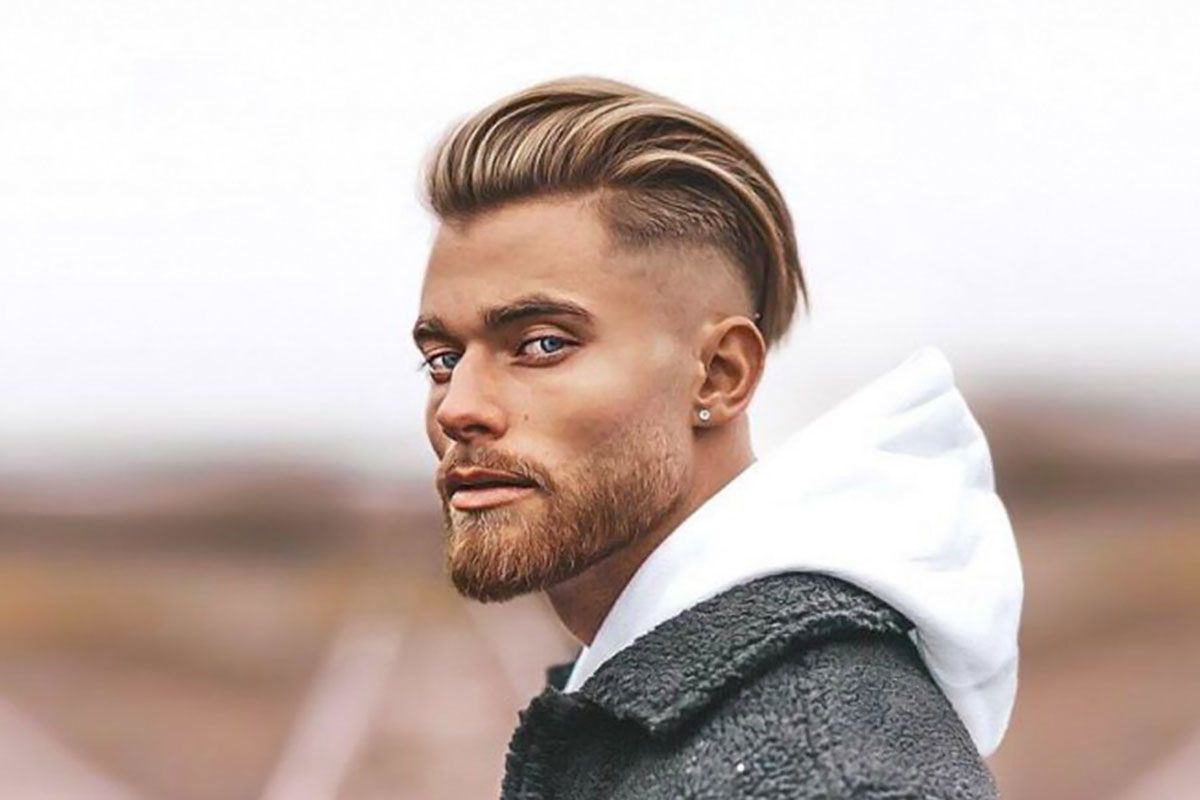
Styling your hair for different occasions is essential to project a polished and appropriate image. Here’s how to adapt your hairstyle to suit various settings:
Formal Events
* Sleek and Sophisticated: A classic combed-back style with a side part exudes elegance. Use a pomade or gel to create a smooth, polished look.
* Textured and Polished: Add texture to a slicked-back style with a texturizing spray or mousse. This creates a more modern and sophisticated look.
* Voluminous and Refined: For a touch of volume, blow-dry your hair upside down and use a root lifter to create height. Finish with a light hold hairspray to maintain the volume.
Casual Outings
* Relaxed and Effortless: A messy bun or topknot is a quick and easy way to keep your hair out of your face while running errands or meeting friends.
* Natural and Flowy: Embrace your natural texture by letting your hair air-dry and using a leave-in conditioner to enhance its softness and shine.
* Stylish and Understated: A textured crop or fade with a slight quiff adds a touch of style to your casual look.
Sports Activities
* Functional and Secure: A headband or sweatband helps keep hair out of your eyes and face during physical activity.
* Short and Low-Maintenance: A buzz cut or crew cut is ideal for sports as it requires minimal styling and maintenance.
* Versatile and Practical: A ponytail or braid can be worn during sports to keep hair contained and prevent tangles.
Celebrity Inspiration
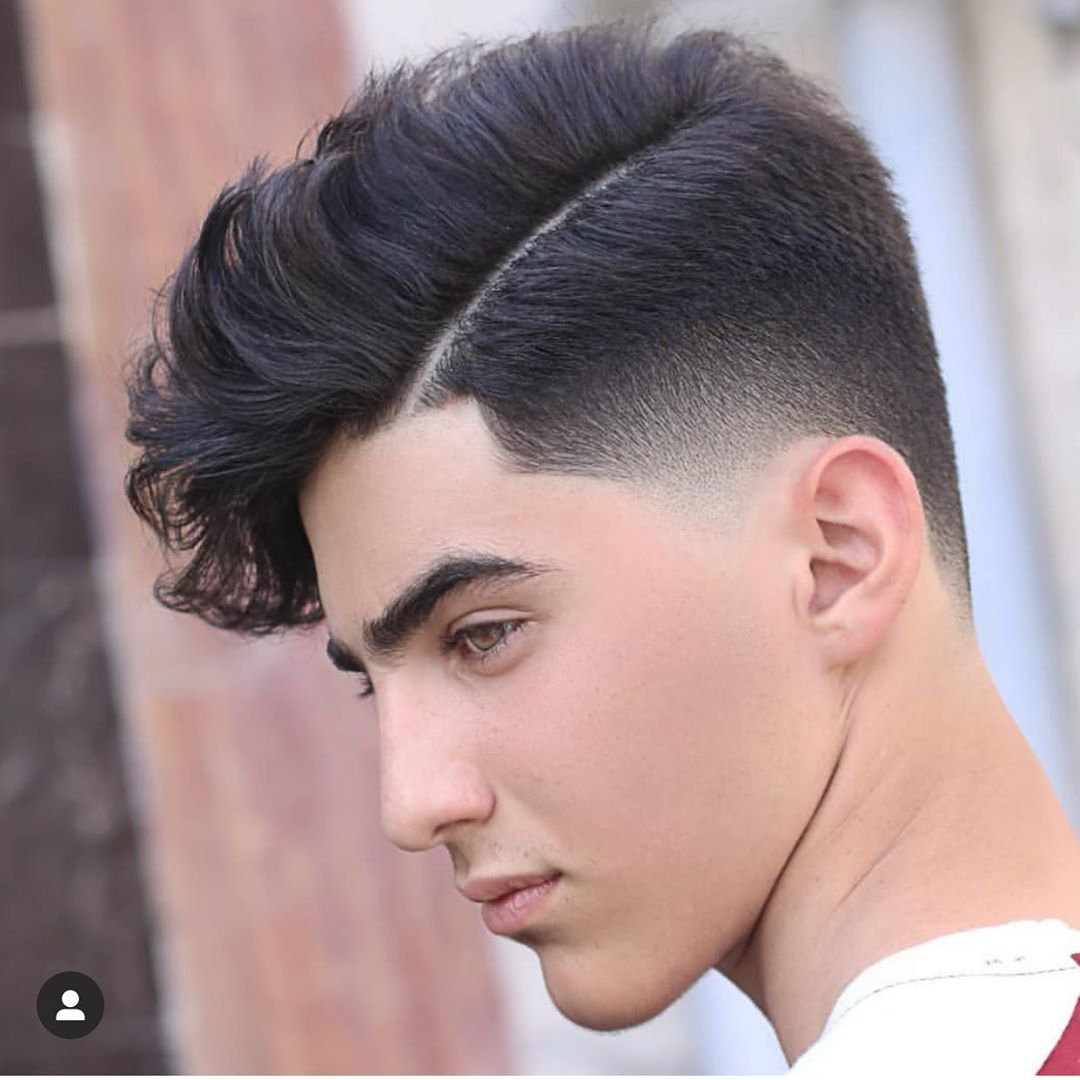
Celebrities and influencers often showcase unique and trendy hairstyles that can inspire your own style. However, it’s important to consider your face shape and hair type when adapting these styles.
Adapting Celebrity Hairstyles
To adapt a celebrity hairstyle, consider the following tips:
- Determine your face shape and hair type. This will help you narrow down hairstyles that will complement your features.
- Research the celebrity’s hair texture and density. This will give you an idea of the products and techniques needed to achieve a similar look.
- Consult with a hairstylist. A professional can help you customize a celebrity hairstyle to suit your individual needs.
Before-and-After Photos
Before-and-after photos can provide valuable insights into how hairstyles can be adapted for different clients.
Example: A round-faced client with thick hair may adapt a layered bob with side-swept bangs to create a more elongated and flattering look.
Celebrity Hairstyle Comparisons
The following table compares the hairstyles of different celebrities, including their face shape and hair type:
| Celebrity | Face Shape | Hair Type | Hairstyle |
|---|---|---|---|
| Brad Pitt | Oval | Fine | Messy side part |
| Ryan Gosling | Square | Thick | Slicked-back undercut |
| Leonardo DiCaprio | Diamond | Wavy | Long and layered |
“Adapting hairstyles to the individual is crucial. Every face shape and hair type is unique, and a hairstyle should enhance the client’s natural features,” – Celebrity Stylist
Hair Loss Solutions
Hair loss can be a distressing experience for guys, affecting their confidence and self-esteem. Fortunately, there are various solutions available to address hair loss and help regain a fuller head of hair.
Hair Transplants
Hair transplants involve surgically removing hair follicles from a donor area, typically the back of the scalp, and transplanting them to the balding areas. This procedure can effectively restore hair growth, providing a natural and permanent solution. However, it can be expensive and requires multiple sessions to achieve desired results.
Minoxidil
Minoxidil is a topical medication applied directly to the scalp. It works by stimulating hair follicles and promoting hair growth. While it can be effective in slowing down hair loss and promoting new hair growth, it requires consistent use and may not be suitable for all individuals.
Finasteride
Finasteride is an oral medication that inhibits the production of dihydrotestosterone (DHT), a hormone that contributes to hair loss. By reducing DHT levels, finasteride can help prevent further hair loss and promote hair growth. It is generally well-tolerated, but may cause side effects such as decreased libido or erectile dysfunction.
Choosing the Best Hair Loss Solution
The best hair loss solution depends on individual factors, such as the severity of hair loss, personal preferences, and budget. Consulting with a dermatologist or hair restoration specialist can help determine the most appropriate treatment option. They can assess the underlying cause of hair loss, provide personalized recommendations, and monitor progress over time.
Home Haircuts: Hairstyle Ideas For Guys
Home haircuts can be a great way to save money and time, and with the right tools and techniques, you can achieve professional-looking results. Here’s a guide to help you cut your hair at home, including techniques for different styles, the necessary tools, and a step-by-step guide with clear instructions and illustrations.
Tools and Precautions
Before you start cutting your hair at home, it’s important to have the right tools and take the necessary precautions. Here’s what you’ll need:
- Sharp scissors: Invest in a good pair of hair-cutting scissors. Dull scissors will crush the hair, resulting in split ends and uneven cuts.
- Comb: Use a wide-tooth comb to detangle your hair before cutting.
- Clips: Section your hair into manageable sections using hair clips.
- Towel: Place a towel around your shoulders to catch any stray hairs.
Step-by-Step Guide
Once you have your tools, follow these steps to cut your hair at home:
1. Wash and dry your hair: Start with clean, dry hair.
2. Comb your hair: Detangle your hair using a wide-tooth comb.
3. Section your hair: Divide your hair into sections using hair clips. This will make it easier to cut.
4. Start cutting: Hold the scissors parallel to the hair shaft and cut in small, even strokes.
5. Check your progress: Regularly check your progress to ensure you’re cutting evenly.
6. Style your hair: Once you’ve finished cutting, style your hair as desired.
Tips for Avoiding Common Mistakes
Here are some tips to help you avoid common mistakes when cutting your hair at home:
- Don’t overcut: It’s always better to cut less than you think you need. You can always go back and cut more if necessary.
- Use sharp scissors: Dull scissors will crush the hair, resulting in split ends and uneven cuts.
- Cut in small, even strokes: This will help you achieve a more precise cut.
- Check your progress regularly: Regularly check your progress to ensure you’re cutting evenly.
Haircut Styles Suitable for Home Cutting
Not all haircuts are suitable for home cutting. Here are a few styles that are relatively easy to do at home:
- Buzz cut: This is the easiest haircut to do at home. Simply use a hair clipper with the desired guard size.
- Crew cut: This is a short, tapered haircut that is also relatively easy to do at home.
- Bob: A bob is a short to medium-length haircut that can be cut at home with a little practice.
Table of Tools and Uses
| Tool | Use |
|—|—|
| Hair-cutting scissors | Cutting hair |
| Wide-tooth comb | Detangling hair |
| Hair clips | Sectioning hair |
| Towel | Catching stray hairs |
Video Tutorial Script
[Write a script for a video tutorial on home haircuts.]
Frequently Asked Questions and Answers
[Generate a list of frequently asked questions and answers related to home haircuts.]
Hair Care
Maintaining healthy hair requires a consistent routine of proper washing, conditioning, and treatments. Understanding your hair type and using the right products are crucial for achieving and maintaining healthy, vibrant hair.
Regular washing removes dirt, oil, and product buildup from the hair and scalp. However, over-washing can strip the hair of its natural oils, leading to dryness and damage. The frequency of washing depends on hair type, activity level, and personal preference. Generally, fine hair may require more frequent washing, while thicker, coarser hair can go longer between washes.
Shampooing
- Choose a shampoo formulated for your hair type (dry, oily, color-treated, etc.).
- Wet hair thoroughly before applying shampoo.
- Apply a small amount of shampoo to the roots and massage it into a lather.
- Rinse thoroughly with warm water.
Conditioning
- Conditioning helps to hydrate and detangle hair, making it softer and more manageable.
- Apply conditioner to the mid-lengths and ends of the hair, avoiding the roots.
- Leave in for a few minutes before rinsing thoroughly with warm water.
Treatments
- Hair treatments provide deep conditioning and nourishment to repair damaged hair and improve its overall health.
- There are various types of treatments available, such as masks, serums, and leave-in conditioners.
- Follow the instructions on the product label for application and frequency of use.
Using the Right Hair Care Products
Using the right hair care products is essential for maintaining healthy hair. Look for products that are formulated for your hair type and concerns. Consider factors such as hair texture, density, and scalp condition.
Avoid harsh products containing sulfates, parabens, and alcohol, which can damage hair and strip it of its natural oils. Opt for products that contain natural ingredients and are free from harmful chemicals.
Barber Shop Etiquette

Visiting a barber shop can be an enjoyable and rewarding experience, but it’s important to follow proper etiquette to ensure a positive interaction. Here are some tips on how to get the most out of your visit:
Before your appointment, take some time to research different barber shops in your area. Read reviews and ask friends for recommendations. Once you’ve found a shop you like, book an appointment online or over the phone.
When you arrive at the barber shop, be polite and respectful to the staff. Greet the barber and let them know you’re there for your appointment. If you’re early, take a seat in the waiting area and wait your turn.
When it’s your turn, follow the barber to their chair. Sit down and relax. The barber will start by asking you what kind of haircut you want. Be specific about what you’re looking for, but also be open to suggestions from the barber.
Once the haircut is finished, the barber will usually offer to style your hair. If you’re not sure how you want to style it, ask the barber for suggestions. They can help you create a look that suits your face shape and hair type.
When you’re happy with your haircut, thank the barber and pay for the service. Be sure to tip the barber if you’re happy with their work.
Services Offered
Most barber shops offer a variety of services, including haircuts, shaves, and beard trims. Some barber shops also offer more specialized services, such as hair coloring and hair extensions.
When you’re booking your appointment, be sure to ask about the specific services that the barber shop offers. This will help you avoid any surprises when you arrive for your appointment.
Communicating with a Barber, Hairstyle ideas for guys
Communicating with your barber is key to getting the haircut you want. Be clear about what you’re looking for, but also be open to suggestions from the barber.
If you’re not sure how to describe the haircut you want, bring in a picture of a haircut that you like. This will give the barber a good idea of what you’re looking for.
Once the haircut is started, don’t be afraid to speak up if you’re not happy with something. The barber wants you to be happy with your haircut, so they’ll be happy to make any adjustments that you need.
DIY Hairstyles
DIY hairstyles offer a convenient and cost-effective way to achieve stylish looks at home. With the right techniques and a bit of practice, you can create a variety of popular hairstyles without visiting a salon.
Step-by-Step Instructions
Here are step-by-step instructions for some popular DIY hairstyles:
1. Slicked-Back Undercut:
– Wash and towel-dry your hair.
– Apply a pomade or gel to damp hair, distributing it evenly.
– Use a comb to slick the hair back from the forehead to the crown.
– Smooth the sides and back, blending them into the slicked-back top.
2. Textured Quiff:
– Wash and blow-dry your hair, creating volume at the roots.
– Apply a texturizing spray or mousse to damp hair.
– Use a comb to create a side part and sweep the hair forward from the crown.
– Use your fingers to create texture and lift at the front, shaping the quiff.
3. Pompadour:
– Wash and blow-dry your hair, adding volume at the roots.
– Apply a styling cream or pomade to damp hair.
– Use a comb to create a deep side part and sweep the hair from the part to the opposite side.
– Use a brush to create volume and height at the front, shaping the pompadour.
4. Side Swept Undercut:
– Wash and towel-dry your hair.
– Apply a pomade or gel to damp hair, distributing it evenly.
– Use a comb to create a deep side part and sweep the hair from the part to the opposite side.
– Use your fingers to smooth the sides and back, blending them into the side-swept top.
5. Buzz Cut:
– Wash and towel-dry your hair.
– Use a hair clipper with a short attachment to shave your hair all over.
– Blend the sides and back into the top, creating a uniform buzz cut.
Tips
– Use a mirror to check the back of your hair and ensure an even cut or style.
– Practice regularly to improve your technique and achieve the desired look.
– Don’t be afraid to experiment with different products and techniques to find what works best for your hair type.
– If you have any doubts or difficulties, consult a professional barber or hairstylist for guidance.
Final Review
From timeless classics to edgy new trends, the world of hairstyle ideas for guys is constantly evolving. With so many options to choose from, there’s a style out there to suit every taste and personality. So don’t be afraid to experiment and find the look that makes you feel confident and stylish.
Remember, the best hairstyle is the one that makes you feel good. So embrace your individuality and rock your unique style with confidence.
Question & Answer Hub
What are the most popular hairstyles for guys right now?
Some of the most popular hairstyles for guys right now include fades, tapers, undercuts, and pompadours. These styles are versatile and can be adapted to suit different face shapes and hair types.
How do I choose the right hairstyle for my face shape?
The best way to choose the right hairstyle for your face shape is to consider the shape of your face and the features you want to highlight. For example, if you have a round face, you may want to choose a hairstyle that adds height and volume, such as a pompadour or a quiff. If you have a square face, you may want to choose a hairstyle that softens the angles of your face, such as a rounded bob or a side-swept fringe.
What are the best hair products for guys?
There are a wide range of hair products available for guys, including pomades, gels, waxes, and sprays. The best hair product for you will depend on your hair type and the style you want to achieve. For example, if you have fine hair, you may want to use a volumizing mousse or a lightweight pomade. If you have thick hair, you may want to use a strong hold gel or a wax.