Embark on a transformative journey with our curated collection of haircut ideas for women, designed to enhance your natural beauty and boost your confidence. From timeless bobs to edgy pixies and cascading long locks, we’ve gathered the most flattering styles to suit every face shape and hair type.
Whether you’re seeking a subtle refresh or a bold transformation, our comprehensive guide will empower you with the knowledge and inspiration you need to make a statement with your next haircut.
Hair Types and Face Shapes
Determining your hair type and face shape is crucial for choosing a flattering haircut. Hair types range from straight to curly, and face shapes can be categorized as oval, round, square, or heart-shaped.
Determining Hair Type
- Type 1: Straight, lacks volume and body.
- Type 2: Wavy, has some volume and can be prone to frizz.
- Type 3: Curly, has defined curls and can be dry and prone to breakage.
- Type 4: Coily, has tight, springy curls and is prone to dryness and shrinkage.
Determining Face Shape
- Oval: Balanced, with a slightly wider forehead than chin.
- Round: Soft, with a wider face than long.
- Square: Angular, with a strong jawline and forehead.
- Heart-shaped: Wider forehead than chin, with a pointed chin.
Choosing Flattering Haircuts
Consider your hair type and face shape when selecting a haircut:
- Oval faces: Most haircuts suit oval faces, but layers and side-swept bangs can enhance features.
- Round faces: Long, layered haircuts with side bangs can create a slimmer appearance.
- Square faces: Long, side-swept bangs and soft layers can soften angular features.
- Heart-shaped faces: Layered haircuts with bangs can balance a wider forehead.
Short Haircuts
Short haircuts for women are versatile and stylish, offering a wide range of options to suit different face shapes, hair textures, and personal preferences. From pixie cuts to bobs and lobs, short hairstyles can transform your look and enhance your features.
When choosing a short haircut, it’s important to consider your face shape and hair type. A skilled hairstylist can help you determine the most flattering style for you. Short haircuts require regular trims to maintain their shape and style.
Pixie Cuts
Pixie cuts are short, layered haircuts that frame the face and add volume. They are a great option for women with fine or thin hair, as they can create the illusion of fullness. Pixie cuts can be styled with a variety of products, including gels, waxes, and pomades.
Bobs
Bobs are short to medium-length haircuts that fall just below the chin. They are a classic and versatile style that can be tailored to suit different face shapes and hair types. Bobs can be styled straight, wavy, or curly, and can be accessorized with headbands, clips, or other hair accessories.
Lobs
Lobs are a longer version of the bob, falling just below the shoulders. They are a great option for women who want a short haircut but still want to maintain some length. Lobs can be styled in a variety of ways, including straight, wavy, or curly.
Styling Tips for Short Hair
Styling short hair requires the right products and techniques. Here are a few tips for styling short hair:
- Use a volumizing shampoo and conditioner to add body and lift to your hair.
- Apply a leave-in conditioner or styling cream to damp hair to help define your curls or waves.
- Use a blow dryer with a diffuser attachment to dry your hair and create volume.
- Finish with a light hairspray to hold your style in place.
Medium-Length Haircuts

Medium-length haircuts offer a versatile and stylish option for women. They are long enough to allow for various styling options but short enough to be easy to manage. Medium-length haircuts can be tailored to suit different face shapes and hair types, making them a great choice for many women.
There are many different types of medium-length haircuts, including shoulder-length layers, A-line bobs, and shags. Shoulder-length layers are a classic choice that can be styled in a variety of ways, from sleek and straight to bouncy and curly. A-line bobs are a bit shorter in the back than in the front, which creates a flattering silhouette. Shags are a more textured haircut that can add volume and movement to fine or thin hair.
Medium-length haircuts can be styled in a variety of ways, including blowouts, curls, braids, and updos. Blowouts are a great way to achieve a sleek and polished look. Curls can add volume and texture to medium-length hair. Braids are a versatile styling option that can be used to create a variety of looks, from casual to formal. Updos are a great way to keep medium-length hair out of the way for special occasions or when you want a more polished look.
Styling Tips for Medium-Length Hair
- Use a heat protectant spray before using hot tools to style your hair.
- Blow dry your hair upside down to add volume.
- Use a curling iron or wand to create curls or waves.
- Braid your hair to create a variety of looks.
- Use hairspray to hold your style in place.
Care and Maintenance for Medium-Length Hair
Medium-length hair requires regular care and maintenance to keep it looking its best. Wash your hair every 2-3 days with a shampoo and conditioner that is designed for your hair type. Use a deep conditioner once a week to help keep your hair hydrated and healthy. Brush your hair regularly to remove tangles and distribute natural oils. Trim your hair every 6-8 weeks to remove split ends and keep your hair looking healthy.
Medium-Length Haircuts for Different Hair Types
Medium-length haircuts can be tailored to suit different hair types. Fine hair can benefit from layers and volume-boosting products. Thick hair can be thinned out with layers or a razor cut. Curly hair can be styled with products that define curls and reduce frizz. Wavy hair can be styled with products that add definition and control frizz.
Medium-Length Haircuts for Different Face Shapes
Medium-length haircuts can be tailored to suit different face shapes. Oval faces can wear most medium-length haircuts. Round faces can benefit from haircuts that add length and volume. Square faces can benefit from haircuts that soften the angles of the face. Heart-shaped faces can benefit from haircuts that add width to the forehead.
Frequently Asked Questions About Medium-Length Haircuts
- How do I choose the right medium-length haircut for my face shape? Consult with a hairstylist to find a medium-length haircut that complements your face shape.
- How do I style medium-length hair for different occasions? Medium-length hair can be styled in a variety of ways, from sleek and polished to bouncy and curly. Experiment with different styling techniques to find the looks that you like best.
- How do I care for medium-length hair? Wash your hair every 2-3 days with a shampoo and conditioner that is designed for your hair type. Use a deep conditioner once a week to help keep your hair hydrated and healthy. Brush your hair regularly to remove tangles and distribute natural oils. Trim your hair every 6-8 weeks to remove split ends and keep your hair looking healthy.
Long Haircuts
Long hair is a versatile and timeless style that can be customized to suit any face shape and hair type. From sleek and straight to voluminous and curly, there are endless possibilities when it comes to long haircuts.
When choosing a long haircut, it is important to consider your hair type, face shape, and personal style. If you have fine hair, you may want to opt for a layered cut to add volume. If you have thick hair, a blunt cut can help to create a sleek and sophisticated look. And if you have curly hair, a V-cut can help to define your curls and add movement.
Layers
Layers are a great way to add volume and movement to long hair. They can be cut in a variety of ways, from subtle to dramatic, to create a customized look. Layers can also help to frame the face and accentuate your best features.
Textures
The texture of your hair can also play a role in choosing a long haircut. If you have straight hair, you may want to consider a sleek and polished cut. If you have wavy hair, you may want to opt for a cut that will enhance your natural waves. And if you have curly hair, you may want to choose a cut that will define your curls and add volume.
Styles
There are endless ways to style long hair, from simple and elegant to glamorous and dramatic. You can wear your hair down, up, or in a variety of braids and buns. You can also add accessories, such as headbands, scarves, and hair clips, to create a unique and personalized look.
Maintenance
Long hair requires a bit more maintenance than shorter hair, but it is definitely worth it. To keep your long hair healthy and vibrant, be sure to shampoo and condition it regularly, and use a deep conditioning treatment once a week. You should also get regular trims to prevent split ends.
Bangs and Fringe
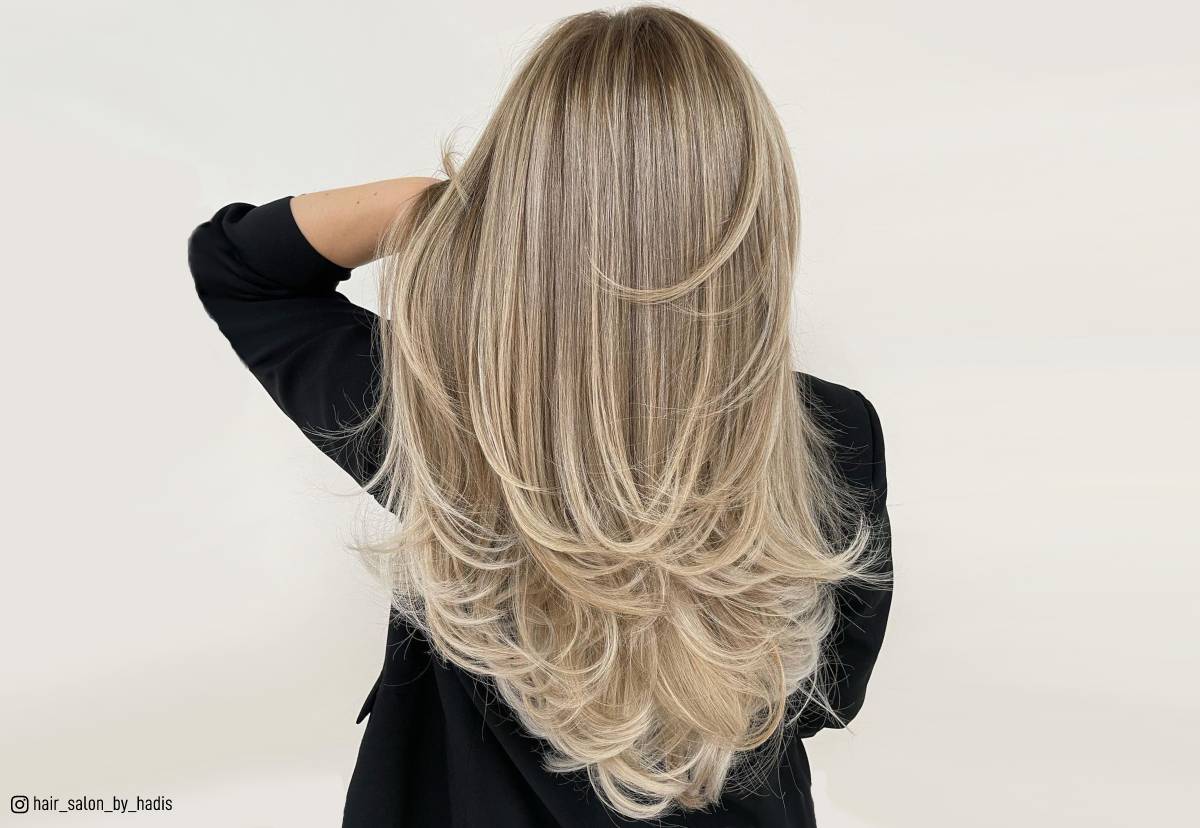
Bangs and fringe are versatile hair additions that can enhance a haircut and complement facial features. They come in various styles and can be customized to suit different face shapes and hair types.
Side-Swept Bangs
- Swept to one side, creating a soft, asymmetrical look.
- Suitable for most face shapes, especially those with a wider forehead.
- Can be styled with a blow dryer and brush or curled for a glamorous touch.
Curtain Bangs
- Parted in the middle and framing the face like curtains.
- Flattering for round and square face shapes.
- Can be trimmed at home or by a stylist to maintain length and shape.
Blunt Bangs
- Cut straight across the forehead, creating a bold and edgy look.
- Best suited for oval and diamond face shapes.
- Require regular trims to prevent split ends and maintain a sharp line.
Styling Tips
To keep bangs looking their best:
- Wash regularly with a clarifying shampoo to remove product buildup.
- Blow dry on a low heat setting to avoid damage.
- Use a round brush to create volume and shape.
- Trim split ends regularly to maintain a healthy appearance.
Hair Color Ideas

Hair color can transform your look and add a touch of personality to your style. From subtle highlights to bold ombré, there are endless hair color ideas to choose from. In this section, we will explore a range of hair color trends and techniques, and provide examples of how to incorporate hair color into different haircuts to create unique looks.
Highlights
Highlights are a great way to add depth and dimension to your hair. They can be placed throughout the hair or just in certain areas, such as the face-framing layers. Highlights can be any color, but they are typically a few shades lighter than your natural hair color.
Lowlights
Lowlights are the opposite of highlights. They are darker than your natural hair color and can be used to add depth and richness to your hair. Lowlights can also be used to create a more natural-looking ombré effect.
Balayage
Balayage is a freehand hair painting technique that creates a natural-looking, sun-kissed effect. Balayage is typically done with a few different shades of hair color, which are blended together to create a seamless transition. Balayage can be customized to suit any hair color and skin tone.
Ombré
Ombré is a hair color technique that creates a gradual transition from one color to another. Ombré can be done with any two colors, but it is most commonly done with a darker color at the roots and a lighter color at the ends. Ombré can be a great way to add a touch of drama to your hair without having to go for a full-on color change.
Styling Techniques
Styling techniques play a crucial role in enhancing the beauty and versatility of hair. By utilizing heat tools, brushes, and products, individuals can create a wide range of hairstyles that complement their personal style and hair type.
Heat tools, such as blow dryers, flat irons, and curling irons, allow for precise styling and the creation of sleek, voluminous, or textured looks. Brushes, including round brushes, paddle brushes, and detangling brushes, help distribute products evenly, detangle hair, and add volume and shape.
Styling products, ranging from mousses and gels to hairsprays and serums, provide hold, definition, and shine. These products can enhance the longevity of hairstyles, tame frizz, and protect hair from heat damage.
Blow Drying
- Use a nozzle attachment to direct airflow and smooth hair.
- Start at the roots and work your way down the hair shaft.
- Use a round brush to create volume and shape.
- Finish with a cool shot to set the style.
Flat Ironing
- Section hair into manageable pieces.
- Use a heat protectant spray to prevent damage.
- Clamp the flat iron close to the roots and glide it down the hair shaft.
- Repeat until hair is smooth and straight.
Curling
- Use a curling iron with the appropriate barrel size for the desired curl.
- Wrap a section of hair around the barrel and hold for a few seconds.
- Release the hair and let it cool before brushing out the curls.
Hair Care Tips

Maintaining healthy hair requires a consistent hair care routine that involves proper washing, conditioning, and styling techniques. This comprehensive guide provides essential tips to prevent hair damage, promote hair growth, and achieve beautiful, healthy hair.
Washing Techniques
- Frequency: Wash hair as often as needed, depending on hair type and lifestyle. Oily hair may require more frequent washing, while dry hair can be washed less frequently.
- Water Temperature: Use lukewarm water to wash hair, as hot water can strip away natural oils and damage hair.
- Shampoo Selection: Choose a shampoo that is formulated for your hair type and concerns. For example, use a volumizing shampoo for fine hair or a moisturizing shampoo for dry hair.
- Application: Apply shampoo to the roots of the hair and massage gently to create a lather. Avoid scrubbing the hair, as this can cause tangles and breakage.
- Rinsing: Rinse hair thoroughly with lukewarm water until all shampoo residue is removed.
Hair Accessories
Hair accessories are a great way to add style and personality to any hairstyle. From headbands and hair clips to hair extensions, there are a variety of hair accessories to choose from. In this section, we will showcase a variety of hair accessories and explain how to use them to enhance different hairstyles.
Headbands
Headbands are a versatile hair accessory that can be worn with any hair type or length. They can be used to keep hair out of your face, add a pop of color, or create a more polished look. There are many different types of headbands to choose from, including:
- Plastic headbands are a great option for everyday wear. They are lightweight and comfortable to wear, and they come in a variety of colors and styles.
- Metal headbands are a more formal option. They are often made of gold or silver, and they can be embellished with crystals or other details.
- Fabric headbands are a great way to add a touch of personality to your look. They can be made from a variety of fabrics, including cotton, silk, and velvet.
Hair Clips
Hair clips are another versatile hair accessory that can be used to create a variety of looks. They can be used to hold hair back, create a side part, or add a touch of embellishment. There are many different types of hair clips to choose from, including:
- Bobby pins are a simple and effective way to hold hair in place. They are small and discreet, and they can be used to create a variety of hairstyles.
- Barrettes are a more decorative type of hair clip. They are often made of metal or plastic, and they can be embellished with crystals or other details.
- Claw clips are a large, spring-loaded clip that can be used to hold hair in a variety of styles. They are a great option for thick or curly hair.
Hair Extensions
Hair extensions are a great way to add length, volume, or color to your hair. They are available in a variety of lengths, colors, and textures, so you can find the perfect match for your hair. Hair extensions can be attached to your hair using a variety of methods, including:
- Clip-in extensions are a temporary way to add length or volume to your hair. They are easy to apply and remove, and they can be reused multiple times.
- Tape-in extensions are a semi-permanent way to add length or volume to your hair. They are applied using a special tape that bonds to your hair. Tape-in extensions can last for up to 8 weeks.
- Fusion extensions are a permanent way to add length or volume to your hair. They are applied using a heated tool that bonds the extensions to your hair. Fusion extensions can last for up to 6 months.
Hair Trends
The world of hair is constantly evolving, with new trends emerging every season. These trends are influenced by a variety of factors, including celebrities, fashion shows, and social media. In this section, we will discuss the latest hair trends for women, analyze the influence of celebrities, fashion shows, and social media on hair trends, and predict upcoming hair trends.
Celebrity Influence
Celebrities have a major influence on hair trends. When a celebrity debuts a new hairstyle, it often becomes the talk of the town. For example, when Jennifer Aniston debuted her iconic “Rachel” haircut in the 1990s, it quickly became one of the most popular haircuts in the world. Today, celebrities like Rihanna, Beyoncé, and Kim Kardashian continue to set hair trends with their ever-changing looks.
Fashion Shows
Fashion shows are another major source of hair inspiration. Each season, hair stylists create new and innovative hairstyles for the models on the runway. These hairstyles often reflect the latest trends in fashion and beauty. For example, at the Fall/Winter 2023 fashion shows, we saw a lot of sleek, straight hair, as well as voluminous, bouncy curls.
Social Media
Social media has also become a major player in the hair trend world. Platforms like Instagram and TikTok are full of hair inspiration, from tutorials to before-and-after photos. Social media allows hair stylists to share their work with a global audience, and it also allows users to connect with each other and share their own hair tips and tricks.
Upcoming Hair Trends
So, what are the upcoming hair trends for women? Here are a few predictions:
- Shorter hair: We will see more women opting for shorter hair, such as bobs, lobs, and pixies.
- Natural textures: Women will embrace their natural hair textures, such as curls, waves, and coils.
- Bold colors: We will see more women experimenting with bold hair colors, such as bright reds, blues, and greens.
- Accessories: Hair accessories will be big in 2023, such as headbands, scarves, and clips.
Hair Salons and Stylists: Haircut Ideas For Women
Finding the right hair salon and stylist is essential for achieving the perfect hairstyle. This guide will provide you with a directory of reputable salons and stylists in different locations, tips on choosing the right stylist, and advice on preparing for and maintaining healthy hair.
Directory of Hair Salons and Stylists
Here is a directory of reputable hair salons and stylists in different locations:
| Name | Address | Phone Number | Website | Specialties | Price Range |
|---|---|---|---|---|---|
| Salon A | 123 Main Street, New York, NY | (212) 555-1212 | www.salonA.com | Coloring, cutting, styling | $50-$200 |
| Salon B | 456 Market Street, San Francisco, CA | (415) 555-1212 | www.salonB.com | Extensions, wigs, hair treatments | $100-$300 |
| Salon C | 789 Park Avenue, London, UK | (020) 7555-1212 | www.salonC.com | Bridal hair, special occasion styling | £50-£250 |
Tips on Choosing the Right Hair Stylist
Here are some tips on choosing the right hair stylist:
- Look for a stylist who specializes in the type of hair you have.
- Read online reviews and testimonials from previous clients.
- Ask your friends and family for recommendations.
- Consider the stylist’s experience and training.
- Book a consultation before your appointment to discuss your hair goals.
Questions to Ask a Hair Stylist Before Booking an Appointment
Here are some questions to ask a hair stylist before booking an appointment:
- What is your experience and training?
- Do you specialize in any particular type of hair?
- Can you show me examples of your work?
- What are your prices?
- Do you offer any discounts or promotions?
Advice on Preparing for a Hair Appointment
Here is some advice on preparing for a hair appointment:
- Wash your hair the day before your appointment.
- Bring a picture of the hairstyle you want.
- Be prepared to discuss your hair history and goals.
- Arrive on time for your appointment.
Tips on Maintaining Healthy Hair
Here are some tips on maintaining healthy hair:
- Wash your hair regularly with a gentle shampoo and conditioner.
- Use a deep conditioner once a week.
- Avoid using heat styling tools too often.
- Get regular trims to remove split ends.
- Eat a healthy diet and get enough sleep.
Hair Care Products
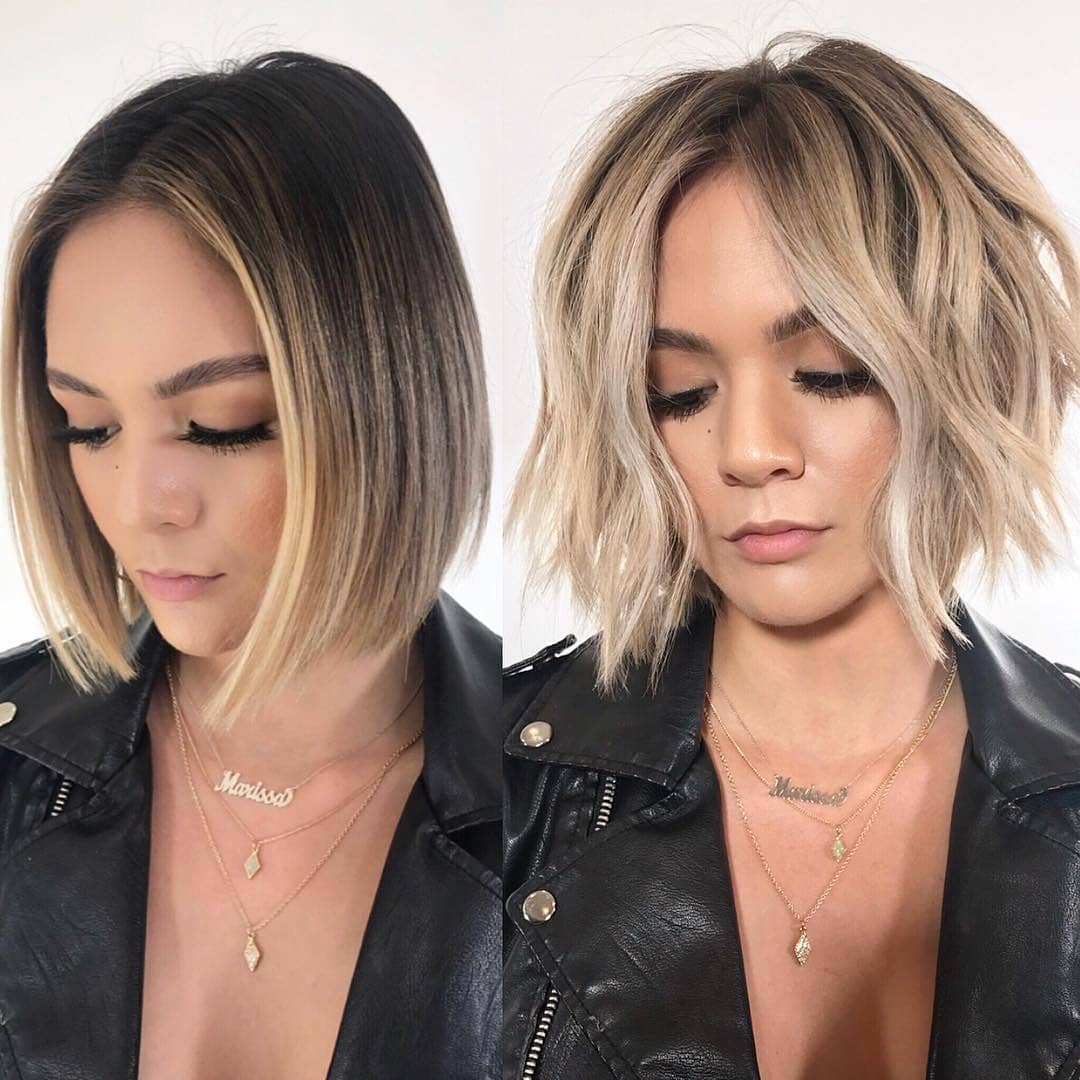
Maintaining healthy, beautiful hair requires a consistent hair care routine that involves using the right products. This section will provide an overview of various hair care products, including shampoos, conditioners, masks, and styling products, highlighting their benefits and ingredients.
Choosing the right hair care products depends on your hair type and specific needs. To help you make an informed decision, we’ve compiled a comparison table that Artikels the key features and benefits of different products.
Shampoos
Shampoos are essential for cleansing the hair and removing dirt, oil, and product buildup. They come in various formulations, each designed to address specific hair concerns, such as dryness, oiliness, dandruff, or color protection.
- Clarifying shampoos: Remove product buildup and excess oil, leaving hair feeling refreshed and clean.
- Moisturizing shampoos: Hydrate dry, damaged hair, restoring its softness and shine.
- Volumizing shampoos: Add volume to fine, limp hair, giving it a fuller appearance.
- Color-protecting shampoos: Preserve hair color by preventing fading and brassiness.
- Anti-dandruff shampoos: Treat and prevent dandruff, reducing scalp irritation and flakiness.
Conditioners
Conditioners replenish moisture and nutrients to the hair, making it soft, manageable, and less prone to breakage. They come in different types, including rinse-out conditioners, leave-in conditioners, and deep conditioners.
- Rinse-out conditioners: Provide immediate hydration and detangling, making hair easier to comb.
- Leave-in conditioners: Offer continuous hydration and protection throughout the day, preventing dryness and frizz.
- Deep conditioners: Intensely nourish and repair damaged hair, restoring its health and vitality.
Hair Masks
Hair masks are intensive treatments that provide deep conditioning and nourishment to the hair. They are typically used once or twice a week to address specific hair concerns, such as dryness, damage, or color fading.
- Hydrating hair masks: Replenish moisture to dry, thirsty hair, leaving it feeling soft and supple.
- Repairing hair masks: Repair damaged hair by strengthening the hair shaft and reducing breakage.
- Color-enhancing hair masks: Enhance and refresh hair color, preventing fading and brassiness.
Styling Products
Styling products help shape and hold hairstyles, providing volume, texture, or shine. They come in various forms, including gels, mousses, sprays, and creams.
- Gels: Provide strong hold and definition, creating sleek or spiked hairstyles.
- Mousses: Add volume and body to hair, giving it a fuller appearance.
- Sprays: Offer flexible hold and shine, enhancing hairstyles without weighing them down.
- Creams: Define curls, reduce frizz, and add moisture to hair.
Hair Care Tips, Haircut ideas for women
In addition to using the right products, proper hair care practices are essential for maintaining healthy hair. Here are some tips for different hair types:
- Dry hair: Avoid over-washing, use moisturizing products, and protect hair from heat styling.
- Oily hair: Wash hair more frequently, use clarifying shampoos, and avoid heavy styling products.
- Damaged hair: Limit heat styling, use repairing products, and get regular trims to remove split ends.
- Color-treated hair: Use color-protecting products, avoid harsh shampoos, and limit sun exposure.
Common Hair Problems and Solutions
Various hair problems can arise due to different factors. Here are some common issues and their solutions:
- Dandruff: Use anti-dandruff shampoos and conditioners, and consult a dermatologist if the problem persists.
- Split ends: Trim split ends regularly and use repairing products to strengthen hair.
- Hair loss: Consult a doctor to determine the underlying cause and explore treatment options.
- Dry scalp: Use moisturizing shampoos and conditioners, and apply scalp treatments to soothe irritation.
- Frizz: Use anti-frizz products, avoid over-brushing, and protect hair from humidity.
Hair Care Trends
The hair care industry is constantly evolving, with new products and trends emerging. Here are some of the latest trends:
- Natural and organic hair care: Products made with natural and organic ingredients are gaining popularity.
- Personalized hair care: Custom hair care products tailored to individual needs are becoming more accessible.
- Sustainable hair care: Eco-friendly and sustainable hair care practices are becoming increasingly important.
- Protective hairstyles: Hairstyles that protect hair from damage, such as braids and buns, are trending.
- Scalp care: Focus on scalp health is growing, with products and treatments designed to improve scalp condition.
Hair Health and Wellness
The health of our hair is closely intertwined with our overall well-being. Diet, stress levels, and lifestyle choices can significantly impact hair growth and quality.
Nutrients for Healthy Hair
A balanced diet is crucial for maintaining healthy hair. Key nutrients include:
| Nutrient | Food Sources |
|---|---|
| Protein | Meat, poultry, fish, eggs, beans |
| Biotin | Eggs, nuts, seeds, avocado |
| Iron | Red meat, spinach, beans, lentils |
| Zinc | Oysters, beef, nuts, seeds |
| Vitamin C | Citrus fruits, berries, leafy greens |
Foods to Avoid
Certain foods can hinder hair health:
- Sugary drinks
- Processed foods
- Excessive caffeine
- Alcohol
Hair Care Routines
Proper hair care practices are essential for maintaining healthy hair:
- Washing: Wash hair regularly with a gentle shampoo suitable for your hair type.
- Conditioning: Use conditioner after washing to hydrate and protect hair.
- Styling: Avoid excessive heat styling and use heat protectant products.
Supplements
Supplements can support hair health:
- Biotin: Improves hair growth and strength.
- Collagen: Provides amino acids essential for hair health.
- Omega-3 fatty acids: Nourish hair and reduce inflammation.
Hair Loss
Hair loss can result from various factors:
- Genetics: Male and female pattern baldness
- Hormonal changes: Pregnancy, menopause
- Medical conditions: Thyroid disorders, autoimmune diseases
- Medications: Chemotherapy, antidepressants
Medical Treatments for Hair Loss
Medical treatments for hair loss include:
- Minoxidil: Topical medication that stimulates hair growth.
- Finasteride: Oral medication that blocks DHT, a hormone that contributes to hair loss.
- Hair transplantation: Surgical procedure to restore hair growth in bald areas.
Hair Inspiration Gallery
Discover a treasure trove of inspiring haircuts and hairstyles that will ignite your imagination and guide your next salon visit. From runway-ready styles to everyday chic, our gallery showcases a diverse array of hair types and styles, adorned by models, celebrities, and everyday women just like you.
Each image is carefully curated to highlight the key features and styling techniques that make each look unique. Whether you’re seeking a bold transformation or a subtle refresh, our gallery provides a visual roadmap to help you achieve your hair goals.
Short Haircuts
Embrace the liberating charm of short hair with our gallery of chic and versatile styles. From pixie cuts that frame the face to bobs that exude effortless elegance, these images showcase the power of short hair to transform your look and boost your confidence.
- Pixie Cut: A classic short haircut that adds volume and definition to fine hair. Ideal for those with oval or heart-shaped faces.
- Bob Cut: A timeless and versatile haircut that can be customized to suit any face shape. Opt for a sleek, blunt bob for a sophisticated look or add layers for extra movement.
- Asymmetrical Bob: A modern twist on the classic bob, featuring one side longer than the other. Perfect for adding an edgy touch to your look.
Hairstyle Generator
Introducing the ultimate hair makeover tool – our Hairstyle Generator! This cutting-edge tool empowers you to experiment with countless hairstyles and haircuts, tailored specifically to your unique features and preferences.
With our intuitive interface, you can effortlessly create personalized hairstyles that perfectly complement your hair type, face shape, and desired length. Explore a vast selection of colors and styling options, and receive expert recommendations to elevate your hair game.
Customization Options
- Hair Type: Choose from a range of hair types, including straight, wavy, curly, or coily, to ensure your hairstyle matches your natural texture.
- Face Shape: Select your face shape (oval, round, square, heart, or diamond) to find hairstyles that flatter your facial features.
- Length: Determine the ideal length for your hair, from short pixie cuts to long, flowing locks.
- Color: Experiment with a wide array of hair colors, from natural shades to vibrant hues, to find the perfect match for your skin tone and personality.
- Styling Preferences: Specify your preferred styling techniques, such as blowouts, curls, braids, or updos, to generate hairstyles that suit your desired look.
End of Discussion
As you embrace your new haircut, remember that it’s not just about aesthetics; it’s about expressing your individuality and enhancing your overall well-being. With the right cut, you’ll radiate confidence, turn heads, and feel like the best version of yourself. So, let’s dive into the world of haircut ideas and find the perfect style to elevate your beauty and unleash your inner radiance.
FAQ Overview
What haircut is most flattering for my face shape?
The most flattering haircut for your face shape depends on its unique contours. Oval faces can rock almost any style, while round faces benefit from layers and side-swept bangs. Square faces look great with bobs and pixie cuts, and heart-shaped faces suit long, layered styles.
How do I choose the right hair type for my haircut?
Consider your hair’s texture, thickness, and natural curl pattern when selecting a haircut. Fine hair looks best with layered styles that add volume, while thick hair can handle blunt cuts and bobs. Curly hair requires haircuts that enhance its natural bounce and definition.
What are the latest haircut trends for women?
Current haircut trends include the resurgence of the classic bob, edgy pixie cuts with textured layers, and long, layered styles with curtain bangs. Shaggy haircuts and blunt bobs with bangs are also gaining popularity.