Embracing thin hair can be a challenge, but with the right haircuts and styling techniques, men can achieve the illusion of thicker, fuller hair. This comprehensive guide explores the best haircuts for men with thin hair, from short and textured to medium-length and long, providing expert tips and tricks for maximizing volume and minimizing the appearance of thinning.
Whether you prefer a classic buzz cut or a stylish pompadour, there’s a haircut that can enhance your natural hair and boost your confidence. Dive into this guide and discover the secrets to achieving the perfect haircut for your thin hair.
Hairstyle Options for Men with Thin Hair
Thinning hair can be a challenge, but it doesn’t mean you can’t have a stylish and flattering haircut. With the right style, you can make your hair appear thicker and fuller, and draw attention to your best features. Here are a few things to consider when choosing a hairstyle for thin hair:
Face shape: The shape of your face will determine which hairstyles will be most flattering. If you have a round face, you’ll want to avoid styles that add width to your face, such as long, straight hair. Instead, opt for shorter styles that will help to elongate your face, such as a side-swept fringe or a textured crop.
Hair texture: The texture of your hair will also play a role in determining which hairstyles will work best for you. If you have fine hair, you’ll want to avoid styles that are too heavy or weighed down, as this will make your hair look even thinner. Instead, opt for styles that add volume and movement, such as a layered cut or a quiff.
Lifestyle: Your lifestyle will also need to be taken into consideration when choosing a hairstyle. If you’re an active person, you’ll want a style that is easy to manage and style. If you have a more formal lifestyle, you may want to opt for a style that is more polished and sophisticated.
Short Styles
- Buzz cut: A buzz cut is a short, close-cropped style that is perfect for men with thin hair. It is easy to maintain and style, and it can help to make your hair look thicker and fuller.
- Crew cut: A crew cut is a short, tapered style that is similar to a buzz cut, but it is slightly longer on top. It is a versatile style that can be worn by men of all ages and face shapes.
- Ivy League: The Ivy League is a classic short style that is characterized by its short, tapered sides and longer top. It is a preppy style that is perfect for men who want a polished and sophisticated look.
Medium Styles
- Side-swept fringe: A side-swept fringe is a medium-length style that is perfect for men with thin hair. It is a versatile style that can be worn by men of all ages and face shapes. It can help to add volume and movement to your hair, and it can also help to conceal a receding hairline.
- Textured crop: A textured crop is a medium-length style that is characterized by its short, choppy layers. It is a stylish and modern style that is perfect for men who want a low-maintenance look.
- Quiff: A quiff is a medium-length style that is characterized by its short, swept-back top. It is a classic style that is perfect for men who want a polished and sophisticated look.
Long Styles
- Long layers: Long layers are a great way to add volume and movement to thin hair. They can help to create the illusion of thicker, fuller hair.
- Man bun: A man bun is a long style that is worn by pulling the hair back into a bun at the back of the head. It is a stylish and trendy style that is perfect for men who want a low-maintenance look.
- Dreadlocks: Dreadlocks are a long style that is created by twisting and matting the hair together. They are a unique and stylish style that is perfect for men who want a low-maintenance look.
Short Hairstyles
Short hairstyles are an excellent choice for men with thin hair because they can help to create the illusion of thicker hair. By cutting the hair shorter, it appears denser and fuller. Additionally, short haircuts are easy to style and maintain, making them a great option for busy men.
Buzz Cuts, Haircuts for men with thin hair
Buzz cuts are a very short haircut that is cut to the same length all over the head. This type of haircut can help to make thin hair look thicker because it removes any long, wispy strands that can make hair look thin and sparse. Buzz cuts are also very easy to style and maintain, making them a great option for men who don’t want to spend a lot of time on their hair.
Crew Cuts
Crew cuts are a short haircut that is similar to a buzz cut, but it is slightly longer on top. This type of haircut can help to create the illusion of thicker hair by adding volume to the top of the head. Crew cuts are also relatively easy to style and maintain, making them a good option for men who want a low-maintenance haircut.
Fades
Fades are a type of haircut that is cut shorter on the sides and back of the head, and longer on top. This type of haircut can help to create the illusion of thicker hair by making the hair on top of the head appear more prominent. Fades are also very stylish and can be customized to suit any face shape.
Styling Tips for Short Hairstyles
Here are a few styling tips for men with short hairstyles and thin hair:
- Use a volumizing shampoo and conditioner to help add volume to your hair.
- Blow dry your hair upside down to help create volume at the roots.
- Use a styling product, such as a mousse or pomade, to help hold your hair in place and add texture.
- Avoid using too much product, as this can weigh your hair down and make it look greasy.
Medium-Length Hairstyles
Medium-length hairstyles offer an excellent solution for men with thin hair, providing volume and fullness while maintaining a stylish and modern look. By incorporating techniques like layering and texturizing, these haircuts can create the illusion of thicker, more voluminous hair.
Pompadours
Pompadours are characterized by their volume and height at the crown, achieved through backcombing and styling products. For thin hair, a pompadour can add instant volume and fullness, making it an ideal choice for men who want to create a bold and eye-catching look.
Side Parts
Side parts are a classic and versatile hairstyle that can be adapted to suit different hair types and textures. By creating a defined part on one side, it can draw attention away from thin hair and create the illusion of a fuller head of hair.
Textured Cuts
Textured cuts involve adding texture and movement to the hair, which can help to create the appearance of thicker hair. This can be achieved through techniques such as layering, razor cutting, or using styling products to create a messy, textured look.
| Haircut | Advantages | Disadvantages |
|---|---|---|
| Pompadour | Adds volume and height, creates a bold look | Requires styling products and maintenance, can be difficult to achieve on very thin hair |
| Side Part | Versatile, classic style, easy to maintain | Can draw attention to thin hair if not styled properly |
| Textured Cut | Creates movement and volume, can be adapted to different hair types | Can be difficult to style, may require regular trims to maintain texture |
When choosing a medium-length hairstyle for thin hair, it’s important to consider factors such as hair texture, density, and lifestyle. It’s recommended to consult with a professional hairstylist to determine the most suitable style for your individual needs.
Long Hairstyles
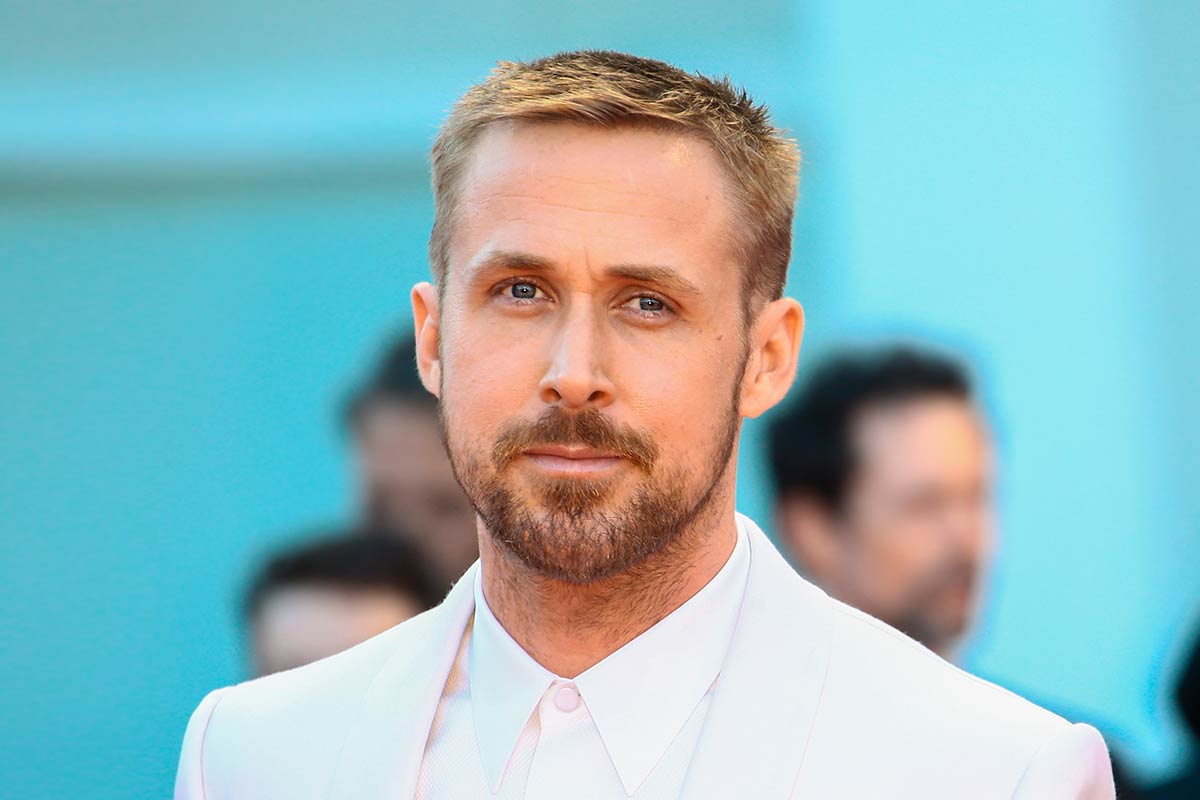
While long hairstyles may not be the first choice for men with thin hair, they can be an effective way to create the illusion of thicker hair. Layered cuts and man buns are just a few of the long hairstyles that can help men with thin hair achieve a fuller, more voluminous look.
Styling Tips
To style long hair to maximize volume and minimize the appearance of thinning, consider the following tips:
- Use volumizing shampoo and conditioner.
- Blow dry your hair upside down.
- Use a root lifter or volumizing mousse.
- Avoid using heavy products that can weigh your hair down.
- Get regular trims to remove split ends and keep your hair healthy.
Complementary Products and Techniques
In addition to the styling tips above, there are a number of complementary hair products and styling techniques that can help enhance the appearance of long hair for men with thin hair.
- Hair extensions: Hair extensions can be used to add volume and length to thin hair.
- Hairpieces: Hairpieces can be used to cover up bald spots or thinning areas.
- Scalp micropigmentation: Scalp micropigmentation is a cosmetic procedure that can create the illusion of thicker hair.
Hair Products for Thin Hair

Enhance the appearance of thin hair with the right hair products. Volumizing shampoos, conditioners, and styling products can help create the illusion of thicker, fuller hair.
Volumizing Shampoos
- Look for shampoos that contain ingredients like keratin, biotin, or panthenol, which help strengthen and thicken hair strands.
- Avoid using heavy shampoos, as they can weigh hair down and make it look flatter.
- Apply shampoo to the roots and massage gently to stimulate hair follicles.
Volumizing Conditioners
- Use conditioners specifically designed for volumizing. They often contain lightweight ingredients that coat hair without weighing it down.
- Apply conditioner to the mid-lengths and ends of hair, avoiding the roots.
- Leave conditioner in for a few minutes before rinsing to allow it to penetrate hair shafts.
Styling Products
- Mousse: Apply mousse to damp hair and blow dry for added volume and hold.
- Root lifter: Use a root lifter spray or powder at the roots to create instant volume.
- Hairspray: Use a light-hold hairspray to set your style and prevent hair from falling flat.
Styling Techniques for Thin Hair
Men with thin hair can create the illusion of thicker, fuller hair by using the right styling techniques. These techniques include blow-drying, using volumizing tools, and applying hairspray.
Blow-Drying
Blow-drying is a great way to add volume to thin hair. Start by towel-drying your hair to remove excess moisture. Then, use a blow dryer on a low heat setting and direct the airflow towards the roots of your hair. Use a round brush to help lift your hair and create volume.
Using Volumizing Tools
Volumizing tools, such as root lifters and volumizing mousses, can also help to add volume to thin hair. Root lifters are small, plastic clips that you can attach to the roots of your hair to lift them up. Volumizing mousses are lightweight styling products that you can apply to your hair before blow-drying to help create volume and hold.
Applying Hairspray
Hairspray can help to hold your style in place and prevent your hair from falling flat. Apply hairspray to your hair after blow-drying and styling it. Hold the can about 6 inches away from your head and spray evenly over your hair. Avoid over-applying hairspray, as this can make your hair look stiff and unnatural.
Hair Loss Prevention
Hair loss is a common problem that affects many men. It can be caused by a variety of factors, including genetics, hormones, and lifestyle choices. While some hair loss is normal, excessive hair loss can be a sign of an underlying medical condition. There are a number of things that men can do to prevent hair loss, including eating a healthy diet, managing stress, and avoiding smoking.
Diet and Hair Loss
A healthy diet is essential for overall health, including hair health. A diet rich in fruits, vegetables, and whole grains provides the body with the nutrients it needs to produce healthy hair. Some specific nutrients that are important for hair health include:
- Vitamin A: Vitamin A is essential for the production of sebum, a natural oil that helps to keep hair healthy and moisturized.
- Vitamin C: Vitamin C is an antioxidant that helps to protect hair from damage.
- Iron: Iron is essential for the production of red blood cells, which carry oxygen to the hair follicles.
- Zinc: Zinc is a mineral that helps to regulate the production of hormones that are involved in hair growth.
Lifestyle Factors and Hair Loss
In addition to diet, there are a number of lifestyle factors that can contribute to hair loss. These include:
- Stress: Stress can lead to the release of hormones that can damage hair follicles.
- Smoking: Smoking damages blood vessels and can lead to hair loss.
- Excessive alcohol consumption: Excessive alcohol consumption can damage the liver, which can lead to hair loss.
- Certain medications: Some medications, such as chemotherapy drugs, can cause hair loss.
Medical Treatments for Hair Loss
There are a number of medical treatments available for hair loss. These include:
- Topical medications: Topical medications, such as minoxidil and finasteride, can be applied to the scalp to help prevent hair loss.
- Oral medications: Oral medications, such as finasteride and dutasteride, can be taken to help prevent hair loss.
- Hair transplantation: Hair transplantation is a surgical procedure that involves transplanting hair follicles from one part of the scalp to another.
Hair Restoration Options
Hair restoration options provide solutions for men experiencing thinning hair. These methods aim to enhance hair growth, prevent further hair loss, and restore a fuller appearance.
Various hair restoration techniques are available, each with its own advantages and drawbacks. Understanding the pros and cons of each option is crucial for making informed decisions about hair restoration.
Hair Transplants
- Advantages: Provides permanent results, creates a natural-looking hairline.
- Disadvantages: Can be expensive, requires multiple procedures, potential for scarring.
Minoxidil
- Advantages: Non-invasive, topical solution, can stimulate hair growth.
- Disadvantages: Requires consistent use, results may vary, potential side effects.
Finasteride
- Advantages: Oral medication, blocks DHT production, can prevent hair loss.
- Disadvantages: May not be effective for all, potential side effects such as decreased libido.
Properly Washing Thin Hair
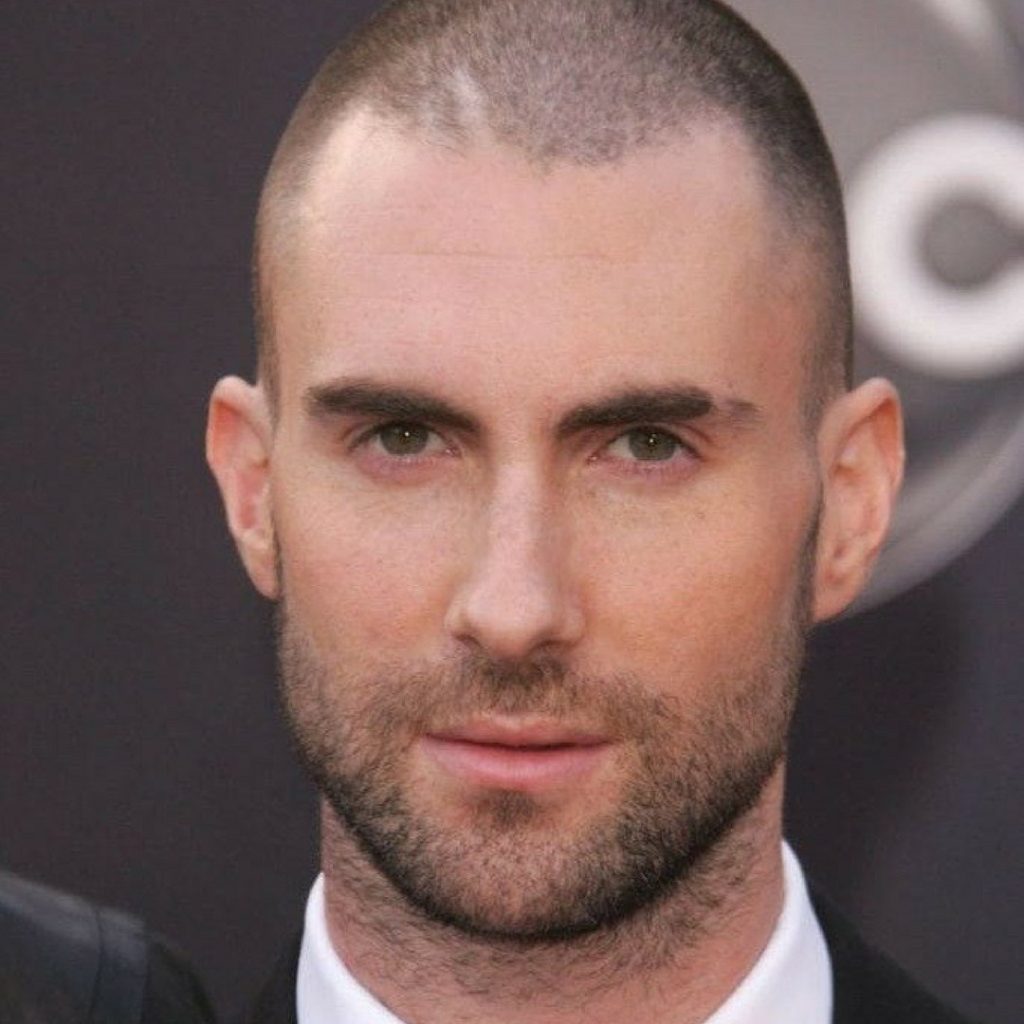
Washing thin hair requires a gentle approach to avoid damage and promote volume.
Frequency
Wash thin hair 2-3 times per week, or as needed. Over-washing can strip away natural oils, leaving hair dry and brittle.
Shampoo Type
Use a volumizing or thickening shampoo designed for fine hair. Avoid shampoos with harsh surfactants or heavy ingredients that can weigh hair down.
Water Temperature
Use lukewarm water to wash hair. Hot water can damage hair, while cold water may not effectively remove dirt and oil.
Celebrities with Thin Hair
Thin hair is often seen as a sign of aging or ill health, but many celebrities have embraced their thin hair and made it a signature part of their look. These celebrities have shown that thin hair can be stylish and attractive, and they have inspired many others to embrace their own thin hair.
Some of the most famous celebrities with thin hair include:
- Jude Law: Jude Law is a British actor who has been open about his struggles with thin hair. He has said that he has tried a variety of hair loss treatments, but nothing has worked for him. Law has embraced his thin hair and now wears it short and close to his head.
- Matthew McConaughey: Matthew McConaughey is an American actor who is known for his rugged good looks. McConaughey has thin hair, but he has never let it stop him from being one of the most sought-after actors in Hollywood.
- Ethan Hawke: Ethan Hawke is an American actor, director, and writer. Hawke has thin hair, but he has never let it stop him from being one of the most successful actors in Hollywood.
- Bruce Willis: Bruce Willis is an American actor who is known for his action movies. Willis has thin hair, but he has never let it stop him from being one of the most popular actors in Hollywood.
- Jason Statham: Jason Statham is a British actor who is known for his action movies. Statham has thin hair, but he has never let it stop him from being one of the most popular actors in Hollywood.
These celebrities have shown that thin hair can be stylish and attractive. They have inspired many others to embrace their own thin hair and to see it as a sign of strength and confidence.
Before and After Photos
Before and after photos are a powerful way to demonstrate the transformative effects of hairstyles and hair products for men with thin hair. They provide visual evidence of the dramatic difference that a new hairstyle or product can make, inspiring men to experiment with different options and find the one that works best for them.
To create a compelling before and after gallery, use high-quality images that showcase the dramatic difference between the before and after styles. Include a brief description for each set of photos, highlighting the specific hairstyle or hair product used to achieve the desired results. Arrange the photos in a logical order, starting with the most dramatic transformations and gradually moving to more subtle changes.
Before and After Slider
Consider creating a before and after slider that allows users to easily compare the two images side-by-side. This interactive feature provides a more engaging and immersive experience, allowing users to see the transformation in real-time and appreciate the full impact of the hairstyle or product.
Infographics
Infographics are a powerful tool for visually representing complex information in a clear and concise way. They can be used to illustrate key points, present data, and provide insights into complex topics. When creating infographics, it is important to use a consistent design style and color palette, and to ensure that the text is easy to read and understand.
Here are some tips for creating effective infographics:
- Use high-quality images and graphics that are relevant to the topic.
- Ensure that the text is easy to read and understand.
- Use white space effectively to create a visually appealing and uncluttered design.
- Include a source list or references for the data used in the infographic.
Statistics
Statistics can be used to illustrate the prevalence of a problem or to show the effectiveness of a solution. For example, an infographic on hair loss could include statistics on the number of people who suffer from hair loss, or on the effectiveness of different hair loss treatments.
Charts
Charts can be used to present data in a visual way. For example, an infographic on hair loss could include a chart showing the different stages of hair loss, or a chart comparing the effectiveness of different hair loss treatments.
Illustrations
Illustrations can be used to explain complex concepts in a simple way. For example, an infographic on hair loss could include an illustration showing the anatomy of the hair follicle, or an illustration explaining the different types of hair loss.
Glossary: Haircuts For Men With Thin Hair
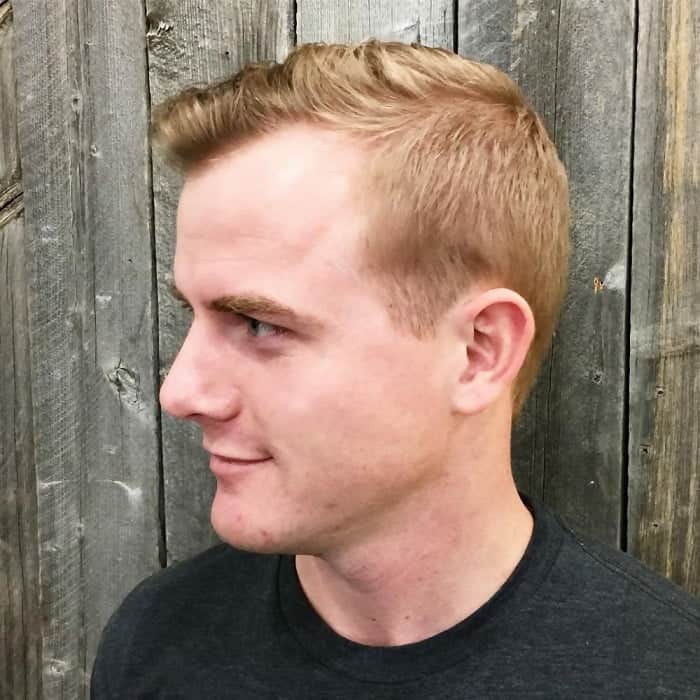
This glossary provides definitions for key terms related to thin hair, hair care, and hair styling, helping you understand the concepts and techniques discussed throughout this guide.
Androgenetic Alopecia: Also known as male-pattern baldness, this is a common cause of hair loss in men, characterized by a receding hairline and thinning crown.
Biotin: A water-soluble vitamin that is essential for healthy hair growth and can help strengthen thin hair.
DHT (Dihydrotestosterone): A hormone that plays a role in hair loss. DHT binds to hair follicles, causing them to shrink and produce thinner hair.
Finasteride: A medication that inhibits the production of DHT, helping to slow down hair loss.
Hair Density: Refers to the number of hair follicles per square inch of scalp. Thin hair typically has a lower hair density than thicker hair.
Hair Shaft: The visible part of the hair that extends above the scalp.
Minoxidil: A topical medication that stimulates hair growth and can help improve hair thickness.
Telogen Effluvium: A temporary form of hair loss caused by stress, illness, or hormonal changes. Telogen effluvium typically resolves on its own within a few months.
Epilogue
With the right haircut and styling techniques, men with thin hair can transform their look and embrace their unique hair texture. By understanding the factors that contribute to hair thinning and exploring the various haircut options available, you can create a hairstyle that complements your face shape, hair type, and lifestyle. Remember, confidence is key, so experiment with different styles and find the one that makes you feel your best.
Common Queries
What are the best haircuts for men with thin hair?
Short haircuts, such as buzz cuts, crew cuts, and fades, can create the illusion of thicker hair by reducing weight and adding texture. Medium-length haircuts, like pompadours and side parts, add volume through layering and texturizing. Long hairstyles, such as layered cuts and man buns, can create the appearance of fullness by distributing weight evenly.
How can I style thin hair to make it look thicker?
Use volumizing shampoos and conditioners, blow-dry your hair upside down, and apply volumizing products like mousse or hairspray. Avoid over-brushing or using too much product, as this can weigh your hair down.
What are the causes of hair loss in men?
Hair loss in men can be caused by genetics, hormonal changes, certain medical conditions, and lifestyle factors such as stress and smoking.