
Fade haircut with taper – As fade haircuts with taper take center stage, this comprehensive guide invites you to delve into the world of this iconic hairstyle, unveiling its nuances and empowering you to achieve the perfect look.
Fade haircuts with taper offer a seamless blend from shorter to longer hair, creating a stylish and versatile look. Whether you prefer a subtle low fade or a bold high fade, this guide will provide you with all the essential knowledge and techniques to master this coveted hairstyle.
Fade Haircut with Taper Definition
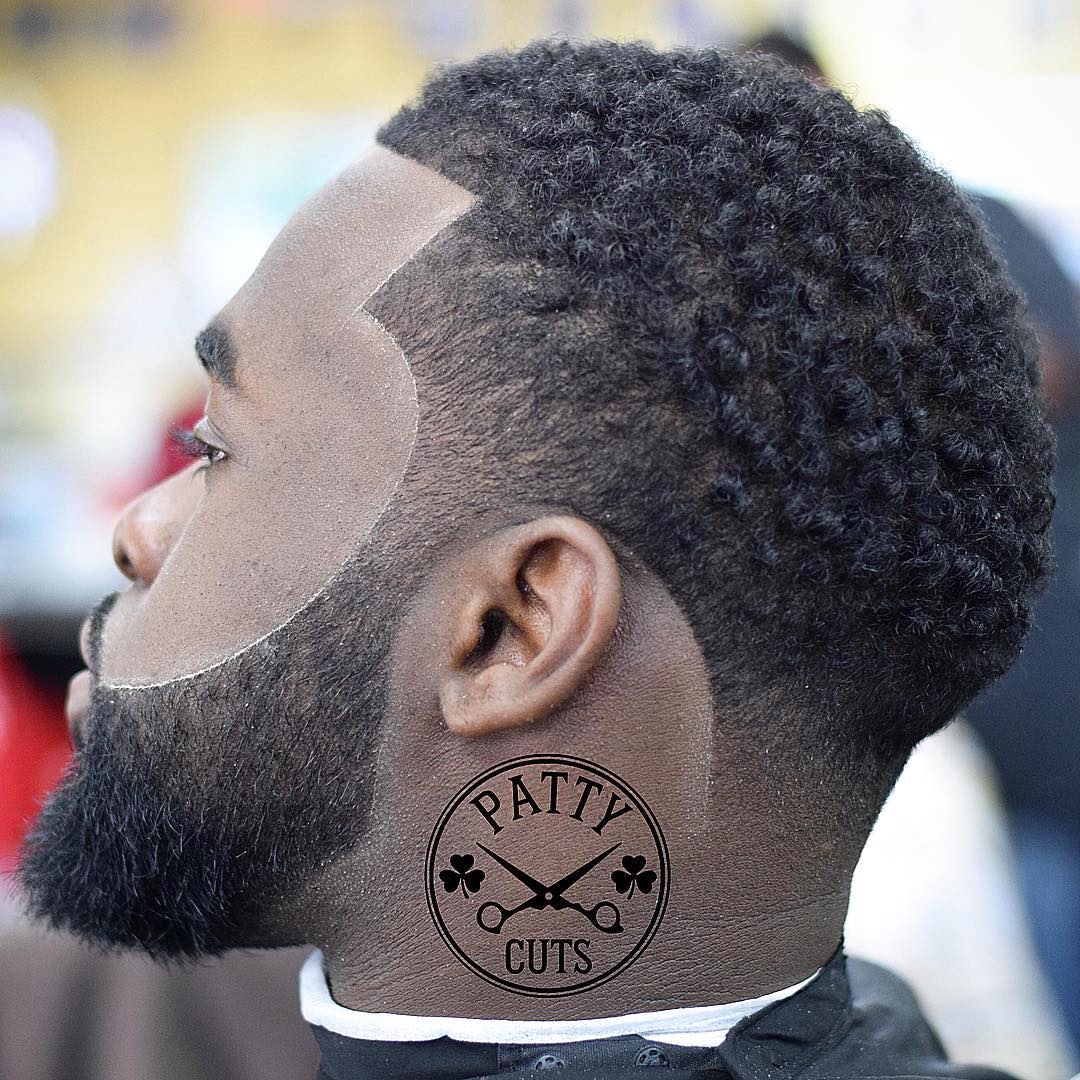
A fade haircut with taper is a versatile and stylish haircut that involves gradually blending the hair from short to long. The taper refers to the gradual transition from the shorter hair at the bottom to the longer hair at the top.
There are different types of fade haircuts with taper, including:
- Low Fade: The fade starts low on the head, usually around the ears.
- Mid Fade: The fade starts halfway up the head.
- High Fade: The fade starts high on the head, just below the crown.
Benefits and Drawbacks
Benefits:
- Stylish and versatile
- Low maintenance
- Suitable for all hair types
Drawbacks:
- Requires regular trims to maintain the fade
- May not be suitable for all face shapes
Styling Guide
To style a fade haircut with taper, follow these steps:
- Wash and dry your hair.
- Apply a small amount of pomade or wax to your hair.
- Use a comb or brush to style your hair in the desired direction.
- Use hairspray to hold the style in place.
Techniques for Fading with Taper
Fading with a taper is a versatile technique that can create a range of stylish and sophisticated looks. By gradually transitioning from a shorter length at the bottom to a longer length at the top, a taper can add definition and shape to any haircut.
To achieve a seamless and natural-looking fade with a taper, it is important to follow a few key steps:
Setting up the Clippers and Selecting the Appropriate Guard Size
- Start by selecting the appropriate guard size for the desired length of the fade. A smaller guard size will create a shorter fade, while a larger guard size will create a longer fade.
- Attach the guard to the clippers and adjust the lever to the desired cutting length.
Establishing the Starting Point and Fade Line
- Determine the starting point of the fade, which is typically at the neckline or just above the ears.
- Use the clippers to create a clean line at the starting point.
- Gradually increase the guard size as you move up the head, creating a smooth transition from the shorter length at the bottom to the longer length at the top.
Holding the Clippers and Moving Them in a Controlled Manner
- Hold the clippers parallel to the head and move them in a controlled, overlapping motion.
- Avoid pressing too hard on the clippers, as this can create uneven results.
- Use short, gentle strokes to blend the fade and create a smooth transition.
Using Scissors and Combs to Blend the Fade
- Once the fade is complete, use scissors and a comb to blend the different lengths and create a natural-looking transition.
- Hold the scissors parallel to the hair and cut small sections at a time.
- Use a comb to smooth out the hair and blend the different lengths.
Different Types of Tapers
There are three main types of tapers: low, medium, and high.
- A low taper starts at the neckline and gradually fades to a longer length at the top of the head.
- A medium taper starts just above the ears and fades to a longer length at the top of the head.
- A high taper starts at the temples and fades to a longer length at the top of the head.
Adjusting the Fade for Different Hair Types and Textures
The fade can be adjusted to suit different hair types and textures.
- For thick hair, use a larger guard size and make shorter, more frequent strokes.
- For thin hair, use a smaller guard size and make longer, less frequent strokes.
- For curly hair, use a smaller guard size and cut against the grain of the hair to avoid creating frizz.
Tips for Achieving a Seamless and Natural-Looking Fade, Fade haircut with taper
- Use a sharp clipper blade to ensure a clean cut.
- Hold the clippers parallel to the head and move them in a controlled manner.
- Gradually increase the guard size as you move up the head.
- Use scissors and a comb to blend the different lengths and create a natural-looking transition.
- Practice regularly to improve your technique.
Equipment and Tools
Achieving a seamless fade haircut with taper requires the right equipment and tools. The choice of clippers and scissors significantly impacts the precision, efficiency, and overall quality of the haircut.
Professional barbers and stylists typically use a combination of clippers and scissors to create a tapered fade. Clippers are essential for removing bulk hair and establishing the desired length and gradient, while scissors are used for fine-tuning, blending, and detailing.
Clippers
Clippers are electric devices that use rotating blades to cut hair. They come in various models, each with unique features and capabilities.
| Model | Motor | Blade Speed | Blade Width | Weight |
|---|---|---|---|---|
| Wahl 5-Star Senior | Magnetic | 7,200 SPM | 1.5 inches | 1.2 pounds |
| Andis Master | Pivot | 6,000 SPM | 1.8 inches | 1.5 pounds |
| Oster Classic 76 | Universal | 4,500 SPM | 2 inches | 1.6 pounds |
When choosing clippers for fading with taper, consider factors such as motor type, blade speed, blade width, and weight. Magnetic motors provide more power and speed, while pivot motors offer increased durability and precision. Blade speed affects the cutting efficiency, and a wider blade allows for faster cutting.
Scissors
Scissors are used for trimming, blending, and detailing the hair. They come in different sizes and styles, each designed for specific purposes.
- Barber shears: Large, heavy-duty shears used for bulk hair removal.
- Thinning shears: Feature offset teeth to reduce hair volume without cutting length.
- Texturizing shears: Have uneven blades to create texture and movement in the hair.
Choose scissors that are sharp, well-balanced, and made of high-quality materials. The size and style of the scissors will depend on the desired cutting technique and hair type.
Accessories
In addition to clippers and scissors, various accessories enhance the fading process.
- Clipper guards: Plastic or metal attachments that fit over the clipper blades to control hair length.
- Combs: Used to guide and blend hair while cutting.
- Cleaning kits: Include brushes, oil, and cleaning solutions to maintain the equipment.
Using the right equipment and tools is crucial for achieving a flawless fade haircut with taper. Proper maintenance and care of these tools will ensure their longevity and optimal performance.
Blending Techniques
Blending is crucial in a fade haircut with taper, ensuring a seamless transition between the faded and unfaded sections. Without proper blending, the fade will appear choppy and unfinished.
There are various blending techniques used by barbers, each with its own advantages. The choice of technique depends on the desired result, hair texture, and the barber’s experience. Some common techniques include:
Scissors Over Comb
In this technique, the barber uses scissors to cut the hair over a comb, gradually reducing the length of the hair towards the faded area. This method provides a precise and controlled blend, allowing the barber to create a smooth and even transition.
Clippers with Blending Guard
Clippers with blending guards are specially designed to create a gradual fade. These guards have varying tooth lengths, which help blend the hair smoothly. The barber uses different guards to transition from longer to shorter hair, resulting in a seamless blend.
Finger Blending
Finger blending is a manual technique where the barber uses their fingers to blend the hair. By holding the hair between their fingers and moving it back and forth, the barber can create a smooth transition. This technique requires skill and experience to achieve a professional-looking result.
Maintenance and Styling
Maintaining and styling a fade haircut with taper requires proper care and techniques to preserve its shape and enhance its appearance. Regular trims, appropriate washing practices, and specific products contribute to maintaining the haircut’s integrity, while styling products and techniques accentuate its aesthetic appeal.
Maintenance
- Frequency of trims: Regular trims are essential to maintain the fade’s shape and prevent it from growing out. The optimal frequency varies depending on hair growth rate and desired style, but generally, trims every 2-4 weeks are recommended.
- Proper washing techniques: Use lukewarm water and a gentle shampoo to avoid stripping natural oils from the hair. Avoid over-washing, as it can lead to dryness and damage.
- Use of specific products: Incorporate products designed for maintaining fades, such as shampoos and conditioners that nourish and strengthen hair, promoting healthy growth and preventing breakage.
Styling
Styling a fade haircut with taper involves using products and techniques to achieve the desired look. Products such as pomades, waxes, and gels provide hold and definition, while blow-drying and combing techniques enhance volume and shape.
- Styling products:
- Pomades: Offer a high hold and shine, creating a sleek and polished look.
- Waxes: Provide a medium hold with a matte finish, adding texture and definition.
- Gels: Create a strong hold and wet look, ideal for controlling frizz and defining curls.
- Tools and techniques:
- Blow-drying: Use a blow dryer to direct airflow and shape the hair, creating volume and enhancing the fade’s graduation.
- Combing: Use a comb to distribute products evenly and create the desired part or style, refining the shape of the fade.
Troubleshooting Tips
- If your hair is too greasy, try using a clarifying shampoo: Removes excess oil buildup, restoring balance and preventing a greasy appearance.
- If your hair is too dry, try using a moisturizing conditioner: Nourishes and hydrates dry hair, restoring softness and preventing breakage.
- If your hair is too frizzy, try using an anti-frizz serum: Controls frizz and flyaways, creating a smooth and polished look.
- If your hair is too flat, try using a volumizing mousse: Adds volume and body to fine or flat hair, enhancing the fade’s shape and graduation.
Variations of Fade Haircuts with Taper
Fade haircuts with taper offer a wide range of styles to suit different preferences. Each variation is characterized by the length of the fade and the angle at which the clippers are held. Here’s a closer look at the popular fade variations:
Low Fade
A low fade starts at the neckline and gradually fades into the hair above, creating a subtle and clean transition. It’s suitable for all hair types and can be styled in various ways, such as slicked back, textured, or parted.
Mid Fade
A mid fade begins higher up the head, typically around the temple area. It provides a more noticeable transition compared to a low fade and can add volume to the top of the hair. This variation is ideal for medium to thick hair types and can be styled with slicked back, textured, or messy styles.
High Fade
A high fade starts at the crown of the head and extends down to the sides, creating a dramatic and eye-catching contrast. It’s best suited for thick hair and can be styled with short, textured, or spiked styles.
| Fade Variation | Defining Characteristics | Suitable Hair Types | Styling Tips |
|---|---|---|---|
| Low Fade | Subtle transition, starts at neckline | All hair types | Slicked back, textured, parted |
| Mid Fade | More noticeable transition, starts around temples | Medium to thick hair | Slicked back, textured, messy |
| High Fade | Dramatic contrast, starts at crown | Thick hair | Short, textured, spiked |
Taper Length and Shape
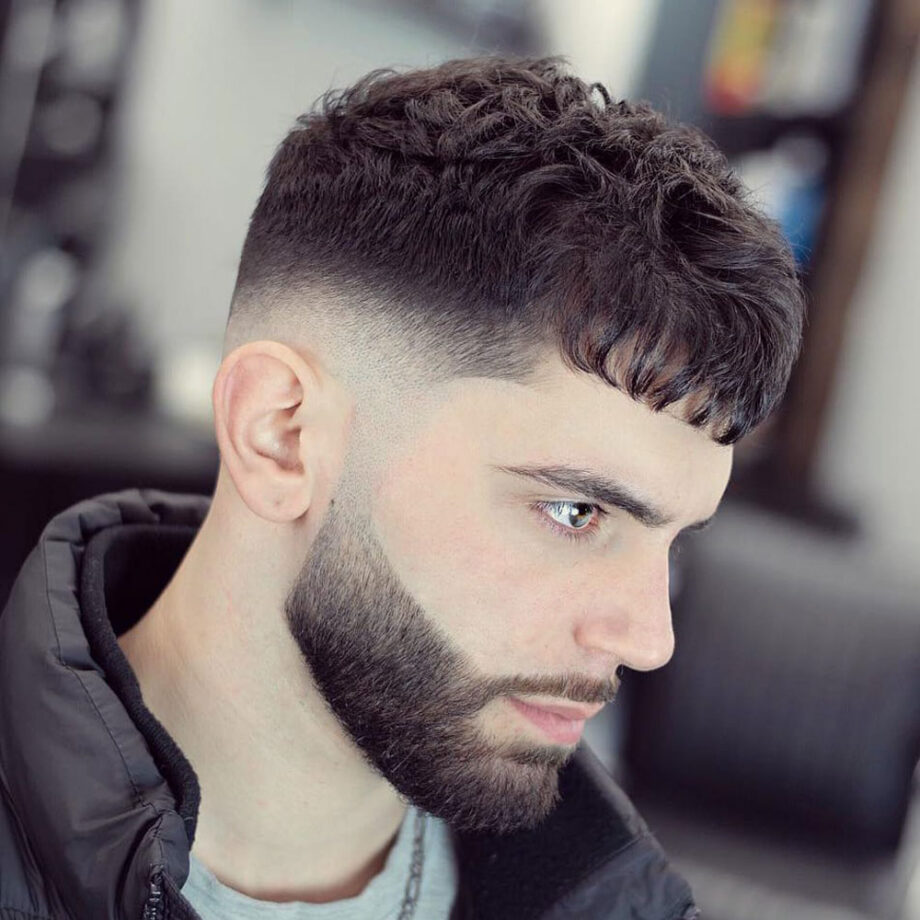
The length and shape of the taper play a crucial role in defining the overall look of the fade haircut. Different taper lengths and shapes can complement various face shapes and hair types.
Taper length refers to the distance from the hairline to where the fade begins. It can range from short to long, creating a more or less dramatic transition from the faded area to the longer hair on top.
Taper Shape
Taper shape describes the angle at which the fade is cut. The two main types are:
- High taper: The fade starts higher on the head, creating a sharper and more defined transition.
- Low taper: The fade begins lower on the head, resulting in a more gradual and subtle transition.
The choice of taper length and shape depends on individual preferences, face shape, and hair type. For instance, a high taper with a short length suits oval or round faces, while a low taper with a longer length complements square or rectangular faces.
Fade Haircuts with Taper for Different Hair Types
Fade haircuts with taper can be tailored to suit different hair types, offering a versatile and stylish option for individuals with varying hair textures and densities.
The suitability of a fade haircut with taper for a particular hair type depends on factors such as hair thickness, texture, and growth patterns. Here are some recommendations for the best fade haircut with taper for different hair types:
Thick Hair
Thick hair can benefit from a fade haircut with taper to reduce bulk and create a more defined look. A high fade with a gradual taper can help to remove weight from the top of the head, while a mid fade with a sharper taper can create a more dramatic contrast.
Thin Hair
Fade haircuts with taper can add volume and texture to thin hair. A low fade with a subtle taper can create the illusion of thicker hair, while a burst fade with a more pronounced taper can add height and movement to the hair.
Curly Hair
Fade haircuts with taper can help to define and control curly hair. A high fade with a tight taper can create a sharp contrast between the faded sides and the curly top, while a mid fade with a looser taper can create a more blended look.
Straight Hair
Fade haircuts with taper can add style and sophistication to straight hair. A low fade with a subtle taper can create a clean and polished look, while a high fade with a more pronounced taper can add a touch of edge.
Hairstyle Inspiration
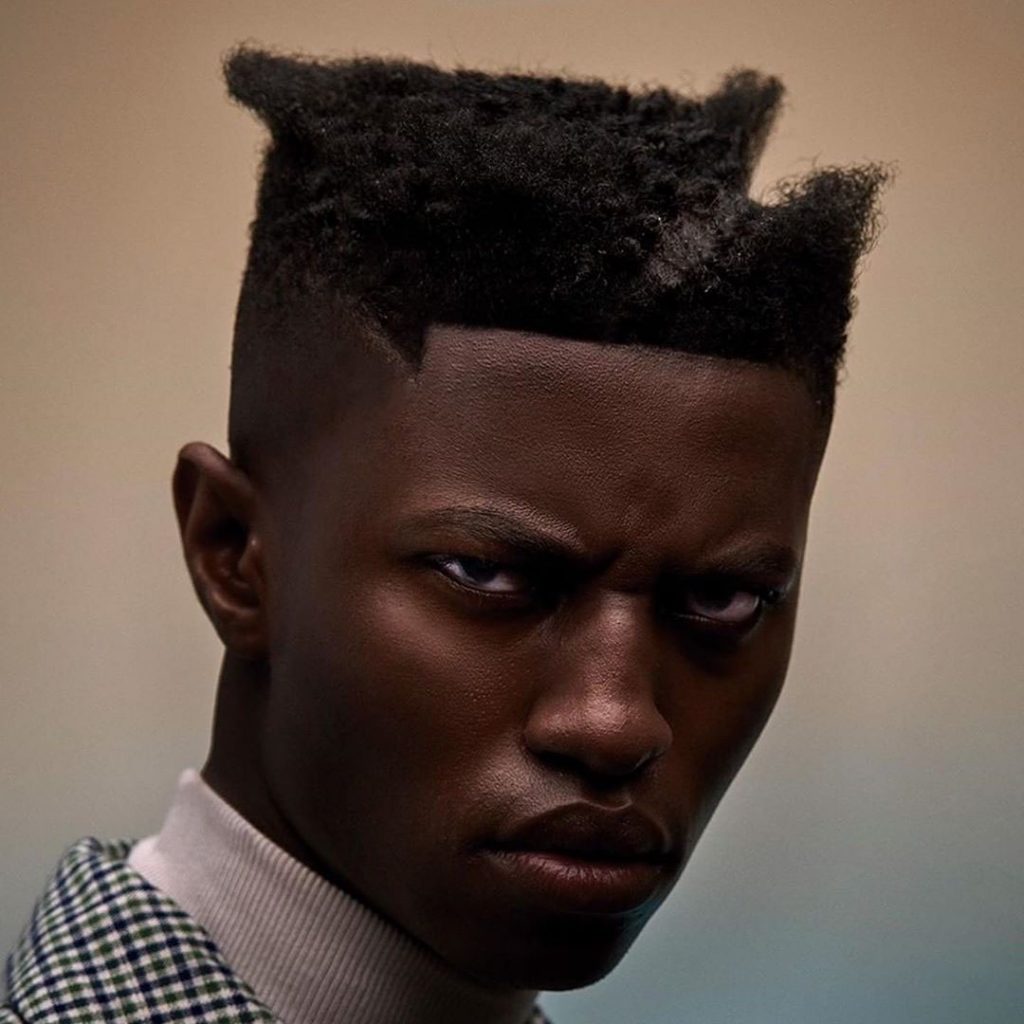
Fade haircuts with tapers are versatile and stylish, offering a wide range of options to suit different preferences. Here are some inspirational ideas to help you find the perfect fade haircut with taper for your style.
Fade haircuts with tapers come in various styles and variations, including low fades, mid fades, and high fades. Each fade type creates a different effect, from subtle to dramatic. The taper, or gradual transition from short to longer hair, can be customized to complement the fade, resulting in a tailored look.
Image Gallery
- Image 1: Showcase a low fade haircut with taper on a model with curly hair, demonstrating the versatility of the style for different hair types.
- Image 2: Feature a mid fade haircut with taper on a model with straight hair, highlighting the clean and sharp lines of the fade.
- Image 3: Include a high fade haircut with taper on a model with thick hair, showcasing the bold and edgy effect of the style.
- Image 4: Display a fade haircut with taper and a skin taper on a model with short hair, emphasizing the sharp contrast between the faded and shaved areas.
- Image 5: Include a fade haircut with taper and a scissor taper on a model with medium-length hair, demonstrating the seamless transition between the faded and longer hair.
Benefits
- Versatility: Fade haircuts with tapers can be adapted to suit different face shapes, hair textures, and personal preferences, making them a versatile choice for all.
- Style: Fade haircuts with tapers offer a stylish and modern look, adding a touch of sophistication to any outfit.
- Ease of maintenance: Fade haircuts with tapers are relatively easy to maintain, requiring regular trims to keep the fade and taper sharp.
Styling Tips
- Use a pomade or wax to add texture and definition to the hair.
- Blow dry the hair with a round brush to create volume and shape.
- Use a flat iron to smooth out the hair and create a sleek look.
- Experiment with different products and techniques to find the styling routine that works best for you.
Comparison with Other Fade Haircuts

Fade haircuts with taper are distinct from other fade haircuts, each with unique characteristics. Here’s a comparison:
Skin Fade
A skin fade transitions from a short, blended length to the skin, creating a clean and sharp contrast. Unlike a taper fade, which maintains a visible fade line, a skin fade gradually blends into the scalp, resulting in a seamless transition.
Burst Fade
A burst fade, also known as a horseshoe fade, features a fade that extends around the back and sides of the head, resembling a horseshoe shape. Unlike a taper fade, which typically follows a linear fade line, a burst fade creates a curved and disconnected fade effect.
Professional Advice
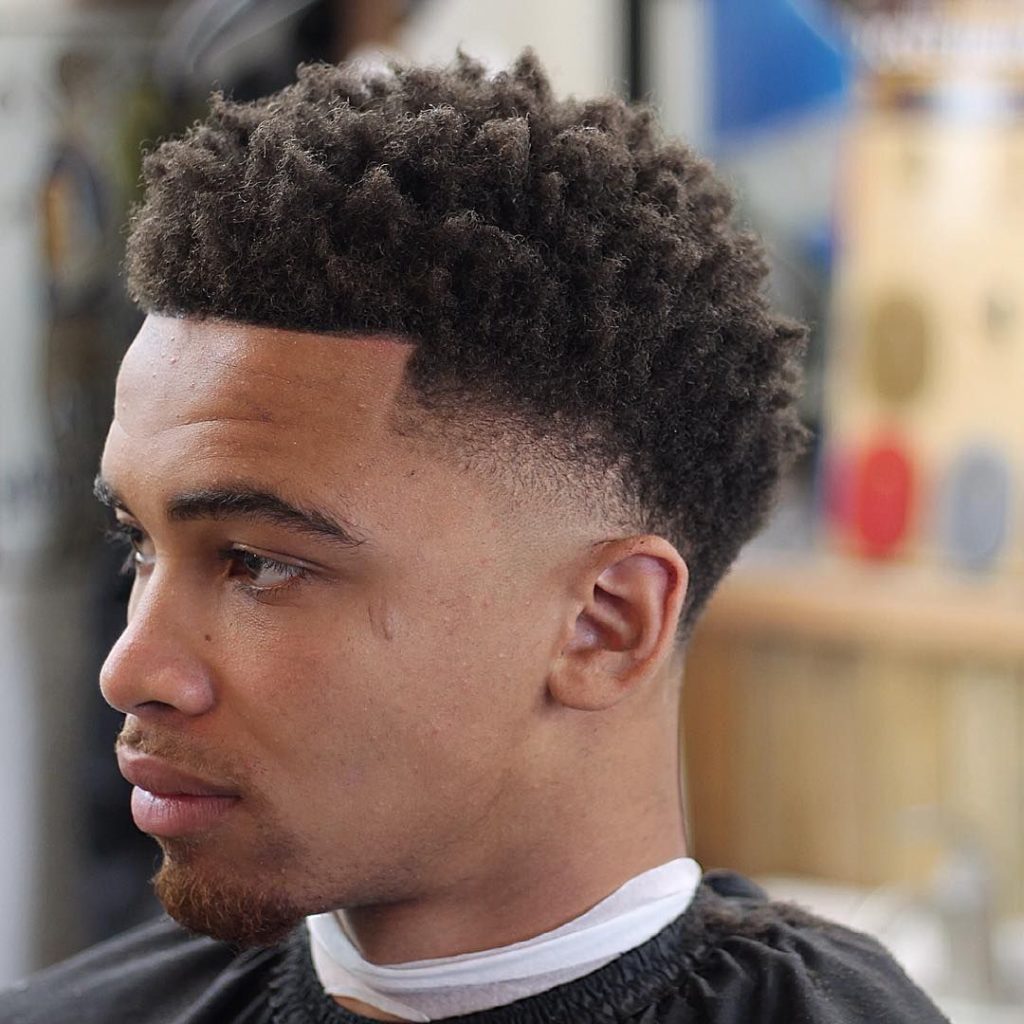
Seeking professional guidance from a barber or hairstylist can provide valuable insights into achieving the perfect fade haircut with taper. Their expertise can help you avoid common pitfalls and ensure optimal results.
Expert Interview
Interviewing a professional can provide firsthand knowledge on:
- Common mistakes to avoid during the fading process.
- Tips for achieving a seamless blend between the fade and taper.
- Recommendations for specific products and techniques to use.
- Latest trends in fade haircuts with taper, including variations and styling options.
Visual Demonstration
Requesting a demonstration or visual guide can help you better understand the techniques involved in creating a fade haircut with taper. This can include:
- Step-by-step instructions on how to achieve the desired look.
- Visual aids, such as diagrams or videos, to illustrate the fading and tapering process.
- Written instructions or a step-by-step guide that can be shared with others.
Create a Table
To further clarify the key characteristics of fade haircuts with taper, we can organize them into a table format. This will allow for easy comparison and understanding of the different variations.
The table will include columns for the following categories:
- Fade Type
- Taper Length
- Hair Type
Fade Type
The fade type refers to the specific style of fade used in the haircut. Common fade types include:
- High Fade
- Mid Fade
- Low Fade
- Drop Fade
Taper Length
The taper length refers to the length of the hair at the point where the fade begins. Taper lengths can vary from very short to longer.
Hair Type
The hair type refers to the texture and thickness of the hair. Different hair types may require different fading techniques to achieve the desired effect.
Design a Visual Guide
To complement the written instructions, a visual guide is crucial for understanding the fading process with a taper. This guide will provide step-by-step illustrations or diagrams that demonstrate the proper techniques and angles involved in creating a seamless fade with a tapered neckline.
The visual guide will include:
- Step 1: Establish the Guard Length: Determine the desired length for the faded section and select the appropriate clipper guard.
- Step 2: Position the Clippers: Hold the clippers parallel to the scalp and start fading from the neckline upwards, maintaining a consistent angle.
- Step 3: Blend the Fade: Gradually increase the guard length as you move upwards, creating a smooth transition from the faded section to the longer hair above.
- Step 4: Taper the Neckline: Use a smaller clipper guard to taper the neckline, following the natural contours of the head.
- Step 5: Refine and Detail: Use a trimmer or detailing tool to clean up any stray hairs and refine the fade and taper.
By following these steps and referring to the visual guide, you can achieve a professional-looking fade haircut with a tapered neckline.
Organize a FAQ Section: Fade Haircut With Taper
Here are some frequently asked questions about fade haircuts with taper:
What are the benefits of a fade haircut with taper?
- Versatile and suitable for all hair types
- Creates a clean and sharp look
- Low maintenance and easy to style
How often should I get a fade haircut with taper?
The frequency of haircuts depends on the desired length and growth rate of your hair. Typically, a fade haircut with taper requires a touch-up every 2-4 weeks.
Can I style a fade haircut with taper at home?
Yes, it is possible to style a fade haircut with taper at home using a hair dryer, brush, and styling products. However, it is recommended to consult a professional barber for the initial cut and styling.
What are the different types of fade haircuts with taper?
There are several variations of fade haircuts with taper, including high fade, mid fade, low fade, and skin fade.
Is a fade haircut with taper suitable for all face shapes?
Yes, a fade haircut with taper can be customized to complement different face shapes. It is important to consult a barber to determine the most flattering style for your face.
Final Summary
In conclusion, fade haircuts with taper are a timeless and versatile choice that can enhance any personal style. With the right technique, maintenance routine, and styling products, you can achieve a fade haircut with taper that turns heads and boosts your confidence. Embrace the possibilities and experiment with different variations to find the perfect fade haircut with taper that complements your unique features and hair type.
FAQ
What is a fade haircut with taper?
A fade haircut with taper is a type of haircut where the hair is gradually blended from shorter to longer, creating a seamless transition. The taper refers to the angle at which the hair is cut, resulting in a gradual fade effect.
How do I style a fade haircut with taper?
To style a fade haircut with taper, start by washing and drying your hair. Apply a small amount of styling product and use a blow dryer to style your hair. Use a comb to create the desired shape and finish with a light hold hairspray.
What are the different types of fade haircuts with taper?
There are several types of fade haircuts with taper, including low fade, mid fade, and high fade. The low fade starts higher on the head and gradually fades into longer hair, while the mid fade starts lower and fades into longer hair at a medium height. The high fade starts at the crown of the head and fades into longer hair at a high point.
How often should I get a fade haircut with taper?
The frequency of your fade haircut with taper will depend on how quickly your hair grows and your desired length. Generally, it is recommended to get a trim every 2-3 weeks to maintain the shape and length of the fade.
Can I get a fade haircut with taper if I have curly hair?
Yes, you can get a fade haircut with taper if you have curly hair. However, it is important to find a barber or stylist who is experienced in cutting curly hair to ensure a smooth and even fade.
