Curly hairstyles for women are a celebration of natural beauty, embracing the unique textures and patterns that make each head of hair a work of art. From defined curls to soft waves, there’s a curly hairstyle to suit every face shape and personality. Let’s dive into the world of curly hair, exploring the latest trends, styling techniques, and products that will help you flaunt your curls with confidence.
Whether you’re a seasoned curly-haired goddess or just starting your journey to embrace your natural texture, this guide will provide you with the knowledge and inspiration you need to rock your curls like never before.
Define Curly Hair Textures
Curly hair is a beautiful and versatile hair type that can be styled in many different ways. But before you can style your curly hair, it’s important to understand the different types of curly hair textures. There are three main types of curly hair textures: type 2, type 3, and type 4.
Type 2 curly hair is characterized by loose, S-shaped curls. This type of hair is often easy to style and can be worn in a variety of ways. Type 3 curly hair is characterized by tighter, more defined curls. This type of hair can be more difficult to style, but it can also be very versatile.
Type 4 curly hair is characterized by very tight, kinky curls. This type of hair is often the most difficult to style, but it can also be the most beautiful. Here is a table summarizing the characteristics of each type of curly hair texture:
| Type | Characteristics |
|---|---|
| 2 | Loose, S-shaped curls |
| 3 | Tighter, more defined curls |
| 4 | Very tight, kinky curls |
Styling Techniques for Curly Hair
Embracing the beauty of curly hair requires a tailored approach to styling. Understanding your curl type and employing specific techniques can enhance definition, reduce frizz, and maintain moisture, resulting in healthy and vibrant curls.
The Curly Girl Method
The Curly Girl Method (CGM) is a comprehensive approach to curly hair care that emphasizes avoiding harsh chemicals, sulfates, and silicones. By using gentle shampoos, conditioners, and styling products specifically designed for curly hair, the CGM helps maintain the natural curl pattern and promote hair health.
Plopping
Plopping is a technique that involves wrapping your wet hair in a microfiber towel or cotton T-shirt and securing it on top of your head. This method helps absorb excess water without causing frizz, resulting in defined curls with reduced drying time.
Finger Coiling
Finger coiling is a manual technique that involves wrapping small sections of wet hair around your fingers to create defined curls. This method is particularly effective for creating tight, spiral curls and can be used to touch up curls between washes.
Popular Curly Hairstyles
Curly hairstyles are versatile and flattering on a variety of face shapes and hair types. From the voluminous shag to the chic pixie cut, there is a curly hairstyle to suit every woman.
The Shag
The shag is a layered cut that is full of volume and texture. It is a great choice for women with fine or thin hair, as it can add body and movement to the hair. The shag can be styled in a variety of ways, from sleek and straight to wild and curly.
The Pixie Cut
The pixie cut is a short, cropped cut that is both stylish and easy to manage. It is a great choice for women who want a low-maintenance hairstyle that is still flattering. The pixie cut can be styled in a variety of ways, from sleek and sophisticated to edgy and playful.
The Bob
The bob is a classic cut that can be worn in a variety of lengths and styles. It is a versatile cut that is flattering on most face shapes. The bob can be styled sleek and straight, or with curls and waves.
Hair Care Products for Curly Hair
Curly hair requires specific care and products to maintain its health and definition. Understanding the different types of hair care products available and how to choose the right ones for your hair type is essential.
The right products can help hydrate, define, and protect curly hair, reducing frizz and enhancing its natural beauty.
Shampoos
- Choose sulfate-free shampoos to avoid stripping natural oils from curly hair.
- Look for shampoos with moisturizing ingredients like shea butter, coconut oil, or argan oil.
- Consider using a clarifying shampoo once a month to remove product buildup.
Conditioners
- Use conditioners that are specifically designed for curly hair, as they provide deep hydration and nourishment.
- Leave-in conditioners can provide continuous moisture and help detangle hair.
- Deep conditioners can be used weekly or bi-weekly to restore moisture and repair damaged hair.
Leave-in Treatments
- Leave-in treatments provide additional moisture and definition to curly hair.
- Creams, oils, or sprays can be applied to damp or dry hair.
- Choose leave-in treatments that are lightweight and won’t weigh hair down.
Styling Products
- Styling products help define and hold curls, reduce frizz, and add shine.
- Gels, mousses, and creams can be used to create different styles.
- Consider using a curl enhancer or curl cream to enhance the natural curl pattern.
Maintenance and Upkeep of Curly Hair: Curly Hairstyles For Women
Curly hair requires special care and maintenance to keep it healthy and looking its best. By following a few simple steps, you can keep your curls looking their best and avoid common problems like frizz, dryness, and breakage.
Washing Curly Hair
Curly hair should be washed less frequently than straight hair, as over-washing can strip it of its natural oils and make it dry and brittle. When you do wash your hair, use a sulfate-free shampoo that is designed for curly hair. Sulfate-free shampoos are gentler on your hair and will help to preserve its natural oils.
Detangling Curly Hair
Detangling curly hair can be a challenge, but it’s important to do it gently to avoid breakage. Start by using a wide-toothed comb or detangling brush to remove any tangles. If your hair is particularly tangled, you can use a detangling spray or conditioner to help loosen the knots.
Trimming Curly Hair
Curly hair should be trimmed every 6-8 weeks to prevent split ends. Split ends can travel up the hair shaft and cause breakage, so it’s important to trim them off regularly. When you get a trim, ask your stylist to use a razor or shears to avoid creating more split ends.
Preventing Breakage and Split Ends
There are a few things you can do to prevent breakage and split ends in curly hair. First, avoid using heat styling tools as much as possible. Heat can damage curly hair and make it more prone to breakage. If you do use heat styling tools, be sure to use a heat protectant spray to help protect your hair from damage.
Second, use hair products that are designed for curly hair. Curly hair products are formulated to help define curls and reduce frizz, and they often contain ingredients that help to strengthen and protect hair.
Finally, be gentle with your hair when you brush and comb it. Avoid using a brush with hard bristles, and be sure to detangle your hair gently to avoid breakage.
Deep Conditioning Curly Hair
Deep conditioning curly hair is a great way to restore moisture and prevent damage. Deep conditioners are typically applied to the hair after shampooing and left in for 20-30 minutes. Deep conditioners can help to strengthen and repair damaged hair, and they can also help to reduce frizz and make hair more manageable.
Protecting Curly Hair from the Elements
Curly hair can be easily damaged by the elements, such as the sun, wind, and cold. To protect your hair from the elements, wear a hat or scarf when you’re outdoors. You can also use a leave-in conditioner or hair oil to help protect your hair from the elements.
Common Problems Associated with Curly Hair, Curly hairstyles for women
There are a few common problems that can affect curly hair, such as frizz, dryness, and tangles.
* Frizz is caused by a lack of moisture in the hair. To reduce frizz, use a leave-in conditioner or hair oil to help keep your hair hydrated. You can also try using a diffuser when you blow dry your hair to help reduce frizz.
* Dryness is another common problem with curly hair. To keep your hair hydrated, use a moisturizing shampoo and conditioner. You can also try using a deep conditioner once a week to help restore moisture to your hair.
* Tangles are a common problem with curly hair. To prevent tangles, detangle your hair gently when it’s wet. You can also try using a detangling spray or conditioner to help loosen the knots.
Styling Curly Hair
Curly hair can be styled in a variety of ways, depending on your personal preferences. Some popular curly hairstyles include:
* Defined curls are created by using a curling cream or gel to help define the curls.
* Waves are created by using a diffuser to blow dry your hair.
* Volume can be created by using a root lifter or volumizing spray.
Using the Right Hair Products for Curly Hair
It’s important to use the right hair products for curly hair. Curly hair products are formulated to help define curls and reduce frizz, and they often contain ingredients that help to strengthen and protect hair.
Some of the best hair products for curly hair include:
* Shampoos that are sulfate-free and designed for curly hair
* Conditioners that are moisturizing and designed for curly hair
* Leave-in conditioners that help to keep hair hydrated and reduce frizz
* Hair oils that help to protect hair from the elements and add shine
* Styling products that help to define curls and reduce frizz
Common Mistakes to Avoid When Caring for Curly Hair
There are a few common mistakes that people make when caring for curly hair. These mistakes can lead to dry, frizzy, and damaged hair.
Some of the most common mistakes to avoid include:
* Over-washing curly hair can strip it of its natural oils and make it dry and brittle.
* Using harsh shampoos and conditioners can damage curly hair and make it more prone to breakage.
* Detangling curly hair when it’s dry can cause breakage.
* Using heat styling tools on curly hair can damage it and make it more prone to breakage.
* Not using hair products that are designed for curly hair can make it difficult to manage and style.
Transitioning to Natural Curly Hair
If you’re currently using heat styling tools to straighten your hair, you may be wondering how to transition to natural curly hair. Here are a few tips:
* Start by gradually reducing the amount of heat you use on your hair. This will help to minimize damage and make the transition easier.
* Use a leave-in conditioner or hair oil to help keep your hair hydrated and reduce frizz.
* Detangle your hair gently when it’s wet. This will help to prevent breakage.
* Be patient! It may take some time for your hair to adjust to its natural curl pattern.
Protective Hairstyles for Curly Hair
Protective hairstyles are a great way to keep your curly hair healthy and looking its best. They can help to prevent breakage, tangles, and frizz, and they can also help to promote hair growth. There are many different types of protective hairstyles, so you can find one that works for your hair type and style.
Benefits of Protective Hairstyles
- Prevent breakage, tangles, and frizz
- Promote hair growth
- Versatile and stylish
- Can be worn for long periods of time
Types of Protective Hairstyles
- Braids
- Buns
- Twists
- Locs
- Crochet braids
- Weaves
How to Create Different Protective Styles
There are many different ways to create protective hairstyles. Some of the most popular methods include:
- Braiding: Braiding is a great way to protect your hair from breakage and tangles. There are many different types of braids, so you can find one that works for your hair type and style.
- Bunning: Bunning is another great way to protect your hair. Buns can be worn high on the head, low on the neck, or anywhere in between. They can also be dressed up or down, making them a versatile style.
- Twisting: Twisting is a simple but effective way to protect your hair. Twists can be worn in a variety of styles, and they can be dressed up or down.
Necessary Tools and Products
The tools and products you need to create protective hairstyles will vary depending on the style you choose. However, some of the most common tools and products include:
- Hair brush
- Comb
- Hair clips
- Bobby pins
- Hairspray
- Gel
- Mousse
Maintenance and Upkeep
Protective hairstyles can be worn for long periods of time, but they do require some maintenance and upkeep. Here are a few tips to help you keep your protective hairstyle looking its best:
- Wash your hair regularly. Even though your hair is protected, it’s still important to wash it regularly to remove dirt and buildup.
- Condition your hair. Conditioning your hair will help to keep it soft and moisturized.
- Avoid using heat styling tools. Heat styling tools can damage your hair, so it’s best to avoid using them if you’re wearing a protective hairstyle.
- Get regular trims. Regular trims will help to prevent split ends and keep your hair looking healthy.
History and Cultural Significance
Protective hairstyles have a long and rich history. They have been worn by people of African descent for centuries. Protective hairstyles were originally created as a way to protect the hair from the harsh elements and to keep it out of the way during work and other activities. Today, protective hairstyles are still worn by people of African descent, as well as by people of other cultures. They are a versatile and stylish way to protect your hair and express your individuality.
Table: Comparison of Protective Hairstyles
| Type | Benefits | Difficulty Level |
|---|---|---|
| Braids | Prevent breakage, tangles, and frizz; promote hair growth; versatile and stylish | Easy to moderate |
| Buns | Prevent breakage, tangles, and frizz; versatile and stylish | Easy |
| Twists | Prevent breakage, tangles, and frizz; simple and effective; can be dressed up or down | Easy |
| Locs | Prevent breakage, tangles, and frizz; promote hair growth; low maintenance | Moderate to difficult |
| Crochet braids | Prevent breakage, tangles, and frizz; versatile and stylish; can be worn for long periods of time | Moderate |
| Weaves | Prevent breakage, tangles, and frizz; versatile and stylish; can be worn for long periods of time | Moderate to difficult |
Frequently Asked Questions
- Q: How often should I wash my hair when wearing a protective hairstyle?
- A: You should wash your hair every 7-10 days, or as needed.
- Q: Can I use heat styling tools on my hair when wearing a protective hairstyle?
- A: It is not recommended to use heat styling tools on your hair when wearing a protective hairstyle.
- Q: How long can I wear a protective hairstyle?
- A: Protective hairstyles can be worn for up to 8 weeks.
Curly Hair Accessories
Curly hair is a beautiful and versatile hair type that can be styled in a variety of ways. Accessories can help to enhance the beauty of curly hair and create unique looks.
Headbands
Wide headbands are a great way to add volume and style to curly hair. They can be worn on the forehead or pushed back to create a more voluminous look. Headbands with embellishments or patterns can also add a touch of glamour to any outfit.
Scarves
Silk scarves are a versatile accessory that can be used to style curly hair in a variety of ways. They can be tied around the head, neck, or shoulders to create different looks. Scarves can also be used to protect curly hair from the elements.
Hair Clips
Hair clips are a great way to add a touch of fun and personality to curly hair. They can be used to hold back bangs, create half-up styles, or simply add a pop of color. Hair clips come in a variety of sizes, shapes, and colors, so there is sure to be a pair that matches your personal style.
Choosing the Right Accessories
When choosing accessories for curly hair, it is important to consider the type of curls you have and the shape of your face. For example, if you have tight curls, you may want to choose a headband with a wider band to help distribute the weight of the hair. If you have a round face, you may want to choose a headband with a thinner band to help elongate your face.
Styling Tips
There are a few things you can do to style curly hair with accessories:
– Use a headband to create a half-up style. Simply pull the top half of your hair back and secure it with a headband.
– Use a scarf to create a turban. Simply wrap the scarf around your head and tie it in a knot at the back.
– Use hair clips to hold back bangs or create a side-swept style. Simply clip the hair clips into place.
Curly Hair Inspirations
Curly hair is beautiful and versatile, and there are endless ways to style it. If you’re looking for some inspiration, here are a few images or videos of celebrities, influencers, or real people with beautiful curly hairstyles.
Celebrities
* Zendaya: Zendaya is known for her gorgeous, voluminous curls. She often wears her hair in a high ponytail or bun, which helps to show off her curls.
* Yara Shahidi: Yara Shahidi has beautiful, tight curls that she often wears in a natural style. She also likes to experiment with different braids and updos.
* Lupita Nyong’o: Lupita Nyong’o has stunning, kinky curls that she often wears in a short, natural style. She also likes to wear her hair in braids or updos.
Influencers
* CurlyPenny: CurlyPenny is a popular curly hair influencer who shares her tips and tricks for styling curly hair. She has a wide variety of curls, and she often experiments with different styles.
* Manes by Mell: Manes by Mell is another popular curly hair influencer who shares her tips and tricks for styling curly hair. She has beautiful, long curls, and she often wears her hair in a natural style.
* Naptural85: Naptural85 is a popular curly hair influencer who shares her tips and tricks for styling natural hair. She has beautiful, kinky curls, and she often wears her hair in a natural style.
Real People
* [Image or video of a real person with beautiful curly hair]
* [Image or video of a real person with beautiful curly hair]
* [Image or video of a real person with beautiful curly hair]
These are just a few examples of the many beautiful curly hairstyles that are out there. If you’re looking for some inspiration for your own curly hair, be sure to check out these images or videos.
Curly Hair Community
The curly hair community is a vibrant and supportive network of individuals who share a common bond: their curly hair. Online communities, forums, and social media groups provide a platform for people with curly hair to connect, share tips, and support each other.
Joining these communities offers numerous benefits. Members can:
- Connect with others who understand their unique hair challenges and experiences.
- Learn about different styling techniques, products, and hair care practices.
- Gain inspiration from others’ curly hair journeys.
- Find a sense of belonging and support within a community that celebrates diversity.
Online Communities and Forums
There are numerous online communities and forums dedicated to curly hair, such as NaturallyCurly.com, The Curly Hair Project, and CurlTalk. These platforms offer a wealth of information, including articles, tutorials, and product reviews. Members can also connect with others through discussion boards and live chats.
Social Media Groups
Social media platforms like Facebook and Instagram have large and active curly hair communities. These groups provide a space for members to share photos of their hair, ask questions, and engage in discussions. Some popular curly hair groups on Facebook include Curly Hair Revolution, Curly Girl Method Approved Products, and Curlfriends.
Cultural Significance of Curly Hair
Curly hair has a rich and diverse cultural significance across different societies. Historically, curly hair has been associated with various perceptions and stereotypes, often reflecting the prevailing social and cultural norms. In some cultures, curly hair has been celebrated as a symbol of beauty and strength, while in others, it has faced discrimination and prejudice.
Historical Perceptions
In ancient Egypt, curly hair was highly valued and seen as a sign of fertility and power. Women often wore elaborate wigs made from human hair or sheep’s wool to enhance their natural curls. In contrast, in ancient Greece and Rome, curly hair was often associated with barbarians and slaves. Straight hair was considered more desirable, leading to the use of hair straighteners and harsh chemical treatments.
Contemporary Perceptions
In the 20th and 21st centuries, perceptions of curly hair have undergone significant changes. The natural hair movement has played a crucial role in promoting acceptance and appreciation of curly hair textures. Curly hair is now celebrated as a unique and beautiful expression of diversity. However, in some societies, curly hair still faces discrimination and bias, particularly in professional settings and media representations.
Curly Hair Advocacy
Curly hair advocacy encompasses efforts to promote the acceptance, celebration, and empowerment of individuals with curly hair textures. This advocacy movement seeks to challenge societal norms that often stigmatize or devalue curly hair, fostering a culture of inclusivity and self-love.
Organizations and Individuals Involved in Curly Hair Advocacy
Numerous organizations and individuals are dedicated to curly hair advocacy, including:
- Curly Hair Society: A global community that celebrates and empowers people with curly hair.
- Natural Hair Movement: A grassroots movement that promotes the acceptance and appreciation of natural hair textures, including curly hair.
- Trichologist Association: A professional organization that provides education and support for hair care professionals, including those specializing in curly hair.
Campaigns and Initiatives Promoting Positive Body Image and Self-Love
Advocacy campaigns and initiatives play a crucial role in promoting positive body image and self-love for people with curly hair:
- #LoveYourCurls: A social media campaign that encourages individuals to embrace their natural curls.
- Curly Hair Appreciation Day: An annual event that celebrates the beauty and diversity of curly hair textures.
- Curly Hair Confidence Workshops: Educational workshops that provide tools and resources for building self-confidence and embracing curly hair.
Identify Emerging Trends in Curly Hair Styling
The curly hair community is constantly evolving, with new trends emerging all the time. These trends are influenced by a variety of factors, including fashion, social media, and the latest hair care products and techniques.
One of the most significant trends in curly hair styling is the move towards more natural looks. Curly hair is often seen as being wild and untamed, but many people are now embracing their natural curls and waves. This trend is being driven by the increasing popularity of natural hair care products and techniques, which help to define and enhance curls without weighing them down.
Another major trend in curly hair styling is the use of protective styles. Protective styles are designed to protect the hair from damage and breakage. They can be worn for a variety of occasions, from everyday wear to special events. Some of the most popular protective styles for curly hair include buns, braids, and twists.
Social media and online platforms have played a major role in the dissemination of these trends. Curly hair influencers and stylists share their tips and tricks on how to achieve the latest looks, and they inspire others to embrace their natural curls.
Successful Curly Hair Stylists and Influencers
There are a number of successful curly hair stylists and influencers who are driving the trends in curly hair styling. Some of the most notable include:
- Ouidad: Ouidad is a renowned curly hair stylist and the founder of the Ouidad hair care line. She is known for her expertise in cutting and styling curly hair.
- DevaCurl: DevaCurl is a hair care company that specializes in products for curly hair. The company’s products are designed to define and enhance curls without weighing them down.
- CurlyNikki: CurlyNikki is a popular curly hair blogger and YouTuber. She shares her tips and tricks on how to care for and style curly hair.
Challenges Faced by Curly Hair Individuals
Curly hair individuals face a number of challenges when it comes to adopting the latest trends in curly hair styling. Some of the most common challenges include:
- Finding the right products: There are a wide variety of hair care products available for curly hair, but not all products are created equal. It can take some time to find the right products that work for your hair type and texture.
- Learning how to style curly hair: Styling curly hair can be a challenge, especially if you are new to it. There are a number of different techniques that you can use to style curly hair, and it can take some practice to find the ones that work best for you.
- Dealing with frizz: Frizz is a common problem for curly hair individuals. Frizz can be caused by a number of factors, including humidity, heat, and damage.
Solutions to Challenges
There are a number of solutions to the challenges that curly hair individuals face when it comes to adopting the latest trends in curly hair styling. Some of the most effective solutions include:
- Experiment with different products: There are a wide variety of hair care products available for curly hair, so it is important to experiment with different products to find the ones that work best for you.
- Learn different styling techniques: There are a number of different techniques that you can use to style curly hair. Experiment with different techniques to find the ones that work best for you.
- Use products to control frizz: There are a number of products available that can help to control frizz. These products can be used to smooth and define curls, and they can also help to protect the hair from damage.
Future Trends in Curly Hair Styling
The future of curly hair styling is bright. There are a number of new trends that are emerging, and these trends are likely to continue to evolve in the years to come. Some of the most promising trends include:
- The use of more natural products: There is a growing trend towards using more natural products in all aspects of life, and this trend is also extending to hair care. Curly hair individuals are increasingly turning to natural products to care for and style their hair.
- The use of more protective styles: Protective styles are a great way to protect the hair from damage and breakage. They are also a great way to achieve a variety of different looks.
- The use of more innovative styling techniques: There are a number of new and innovative styling techniques that are emerging for curly hair. These techniques can be used to create a variety of different looks, from sleek and polished to wild and voluminous.
Impact on the Industry
The trends in curly hair styling are having a major impact on the hair care industry. The demand for natural hair care products and protective styling services is growing, and this is leading to the development of new products and services. The curly hair community is also becoming more vocal and visible, and this is helping to change the way that curly hair is perceived.
Table of Trends
| Trend | Techniques | Products |
|---|---|---|
| Natural looks | Finger combing, air drying, minimal products | Natural hair care products, leave-in conditioners, curl creams |
| Protective styles | Buns, braids, twists, updos | Edge control, hair ties, bobby pins |
| Innovative styling techniques | Plopping, diffusing, co-washing | Styling gels, curl activators, hair masks |
FAQs
Q: What is the best way to style curly hair?
A: There is no one-size-fits-all answer to this question, as the best way to style curly hair will vary depending on your hair type and texture. However, there are some general tips that can help you to achieve beautiful, healthy curls.
Q: What are the best products for curly hair?
A: There are a wide variety of hair care products available for curly hair, but not all products are created equal. It is important to experiment with different products to find the ones that work best for your hair type and texture.
Q: How can I avoid frizz?
A: Frizz is a common problem for curly hair individuals, but there are a number of things you can do to avoid it. Some of the most effective tips include using products to control frizz, avoiding heat styling, and protecting your hair from the elements.
Curly Hair Education
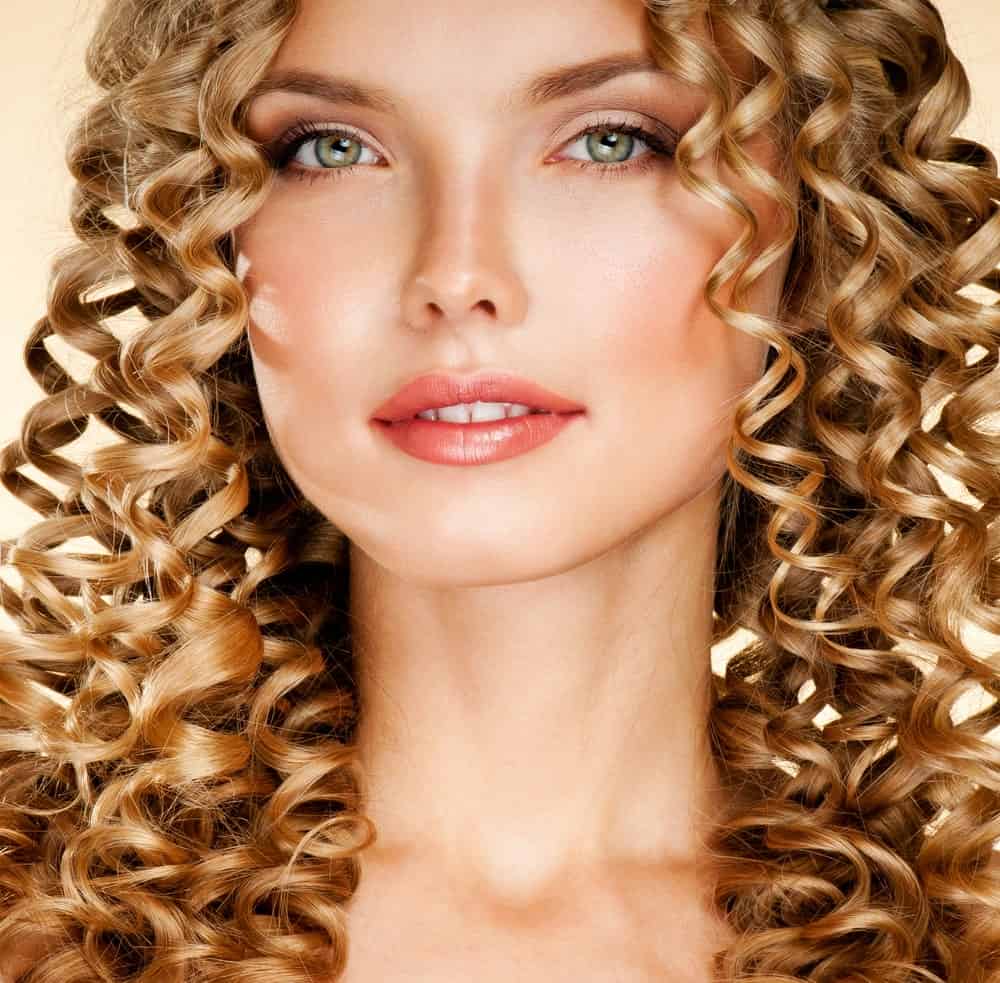
Education is crucial for understanding and caring for curly hair. It empowers individuals to make informed decisions about their hair care routine and achieve healthy, beautiful curls.
There are numerous resources available to educate oneself about curly hair, including books, articles, online courses, and workshops. These resources provide valuable information on curl types, care techniques, styling methods, and product recommendations.
Books
- Curly Girl: The Handbook by Lorraine Massey
- The Science of Black Hair by Audrey Davis-Sivasothy
- Curly Hair Solutions by Ouidad
Articles and Websites
- NaturallyCurly.com
- CurlyNikki.com
- The Hair Type 4 Journey
Online Courses
- Curly Hair Masterclass by Manes by Mell
- The Curly Hair Course by The Curl Coach
- Curly Hair Academy by Curly Penny
Importance of Education
Educating oneself about curly hair care and styling has numerous benefits, including:
- Understanding your curl type and its specific needs
- Learning proper techniques for cleansing, conditioning, and styling
- Choosing the right products and avoiding harmful ingredients
- Preventing damage and breakage
- Embracing and celebrating your natural curls
FAQs
- What is the best way to wash curly hair?
- How often should I condition my curly hair?
- What products should I use for my curl type?
- How can I prevent frizz?
- How do I style my curly hair?
Final Thoughts
Embrace your curly hair, experiment with different styles, and let your personality shine through. Remember, your curls are a unique and beautiful part of you, so own them with confidence. The curly hair community is a supportive and inspiring space, so connect with others, share your experiences, and celebrate the beauty of curls together.
FAQ Corner
What are the different types of curly hair textures?
Curly hair textures are classified into three main types: Type 2 (wavy), Type 3 (curly), and Type 4 (coily). Each type has its own unique characteristics, from loose, S-shaped waves to tight, springy coils.
How can I define my curls?
To define your curls, use a curl-enhancing product like a mousse or cream, and apply it to damp hair. Scrunch your hair upwards to encourage curl formation and let it air dry or diffuse on a low heat setting.
How often should I wash my curly hair?
Curly hair tends to be drier than other hair types, so washing it too frequently can strip it of its natural oils. Aim to wash your hair every 2-3 days, or as needed.