Cornrows hairstyles for natural hair have gained immense popularity, offering versatility, protection, and a rich cultural heritage. This comprehensive guide delves into the intricacies of cornrows, empowering you to embrace their beauty and reap their benefits.
From understanding the different types of cornrows to mastering styling techniques, we’ll explore everything you need to know about this timeless hairstyle. Additionally, we’ll discuss the cultural significance of cornrows and provide tips for maintaining healthy hair while wearing them.
Introduction to Cornrows Hairstyles
Cornrows, a timeless and versatile hairstyle, have a rich cultural history rooted in African traditions. Originating in ancient Africa, cornrows were initially created as a practical and protective style to shield hair from harsh environmental conditions and maintain its health. Over time, cornrows evolved into intricate works of art, expressing cultural identity and social status within various African communities.
Today, cornrows have gained immense popularity worldwide for their versatility and aesthetic appeal. They are a popular choice for individuals with natural hair, providing endless styling options that cater to different face shapes, hair textures, and personal preferences. Cornrows offer a blend of functionality and style, making them a go-to choice for those seeking a protective and fashionable hairstyle.
Cultural Significance of Cornrows
Cornrows hold deep cultural significance in African communities. They represent a connection to ancestry, cultural heritage, and communal identity. Different tribes and regions have unique cornrow patterns that symbolize specific meanings, such as family lineage, social status, or special occasions. Cornrows have also been used as a form of storytelling, with intricate designs conveying narratives and historical events.
Versatility and Popularity of Cornrows for Natural Hair
Cornrows are incredibly versatile, allowing for a wide range of styles and variations. They can be simple or elaborate, adorned with beads, accessories, or hair extensions. Cornrows can be styled in geometric patterns, intricate braids, or combined with other hairstyles like buns, ponytails, and locs. This versatility makes cornrows suitable for any occasion, from casual outings to formal events.
The popularity of cornrows for natural hair stems from their protective qualities. Cornrows reduce friction between hair strands, minimizing breakage and tangles. They also help retain moisture, promoting healthy hair growth and preventing dryness. Additionally, cornrows are a low-maintenance style that can last for weeks, providing convenience and time-saving benefits.
Types of Cornrows
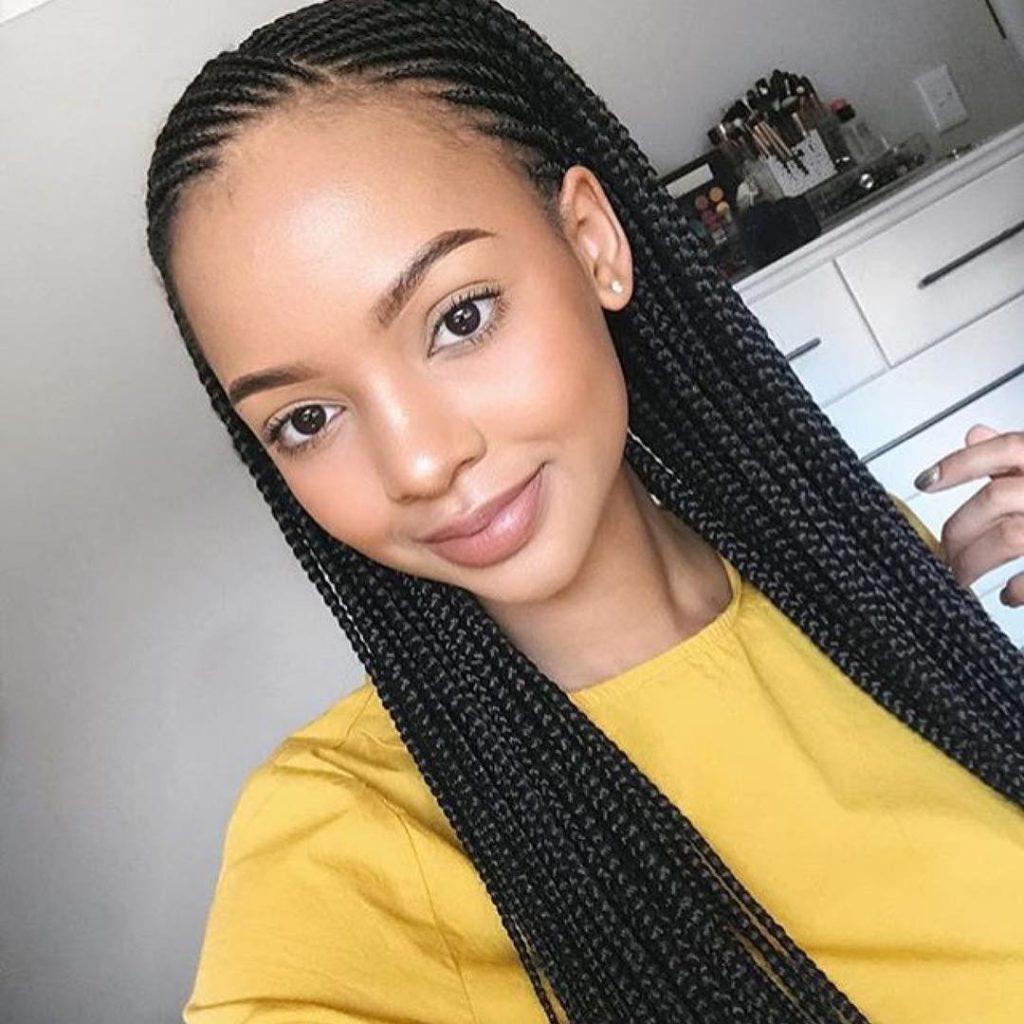
Cornrows, a versatile and timeless protective hairstyle, come in a wide range of variations, each with its unique aesthetic and styling possibilities.
From classic single cornrows to intricate Fulani braids, there’s a cornrow style to suit every face shape, hair texture, and personal preference.
Single Cornrows
Single cornrows are the most basic and versatile type of cornrow, consisting of individual braids that run parallel to each other.
They can be styled in a variety of ways, including straight, curved, or zig-zag patterns, and can be accessorized with beads or hair clips for added flair.
Double Cornrows
Double cornrows are similar to single cornrows, but instead of being braided individually, they are braided in pairs.
This creates a thicker, more voluminous look, and allows for more complex and elaborate patterns, such as hearts, stars, or even words.
Feed-in Cornrows
Feed-in cornrows are a variation of single cornrows where additional hair is added as the braid is being created.
This technique allows for seamless blending of extensions or different hair textures, and creates a fuller, more natural-looking finish.
Lemonade Braids
Lemonade braids are a type of cornrow that is characterized by its intricate, beaded design.
The braids are typically styled in a side-swept or asymmetrical pattern, and are adorned with colorful beads or charms for a glamorous and eye-catching look.
Fulani Braids
Fulani braids are a traditional African hairstyle that is characterized by its intricate, geometric patterns.
The braids are typically braided in a circular or semi-circular shape, and are often decorated with beads or cowrie shells for a unique and cultural touch.
Styling Cornrows
Styling cornrows involves braiding, sectioning, and adding extensions or accessories to create various looks. Understanding these techniques allows for customization and versatility in cornrow hairstyles.
Braiding Patterns
Cornrows can be braided in various patterns, each creating a unique aesthetic. Here are some popular braiding patterns:
- Three-strand braid: The most basic braiding technique, involving three strands of hair interlaced.
- Four-strand braid: Similar to the three-strand braid, but with an additional strand added for a more intricate look.
- Five-strand braid: A more complex pattern involving five strands of hair, creating a wider and more elaborate braid.
- French braid: A variation where new strands are added from the sides as the braid progresses, resulting in a raised and intricate design.
- Dutch braid: Similar to the French braid, but with the strands crossed under instead of over, creating a more defined and raised effect.
- Fishtail braid: A unique pattern where strands are split into two sections and interlaced in a fishtail-like design.
Sectioning and Parting
Proper sectioning and parting are crucial for creating clean and defined cornrows. To achieve this:
- Use a comb or brush to create clean lines, dividing the hair into desired sections.
- Secure the sections using hair clips or bands to keep them in place while braiding.
Adding Extensions or Hair Accessories
Extensions or accessories can enhance the look of cornrows, adding length, volume, or embellishments. Here’s how to incorporate them:
- Extensions: Synthetic or human hair extensions can be added to cornrows to increase length or volume, creating a fuller or longer look.
- Accessories: Beads, charms, or other accessories can be woven into the cornrows for a decorative touch, adding a personal style or flair.
Cornrows for Different Hair Textures
Cornrows are a versatile hairstyle that can be adapted to suit a variety of hair textures. From coarse to fine, curly to coily, cornrows can help to define, manage, and protect hair.
Coarse Hair
Cornrows are a great way to define and manage coarse hair. The tight braids help to smooth the hair shaft and reduce frizz. To avoid breakage, it is important to use a gel or pomade to hold the braids in place.
Fine Hair
Creating cornrows on fine hair can be a challenge, as the hair is more likely to slip out of the braids. To add volume and hold, it is helpful to use mousse or hairspray before braiding.
Curly Hair
Cornrows can help to elongate and protect curly hair. The tight braids help to weigh down the hair and prevent it from becoming frizzy. To avoid frizz, it is important to use a leave-in conditioner before braiding.
Coily Hair
Creating cornrows on coily hair can be a challenge, as the hair is more likely to tangle. To prepare the hair for braiding, it is important to detangle it with a wide-toothed comb.
| Hair Texture | Suitability | Tips |
|---|---|---|
| Coarse | Good | Use a gel or pomade to define and hold the braids. |
| Fine | Moderate | Add volume and hold with mousse or hairspray before braiding. |
| Curly | Good | Use a leave-in conditioner to prevent frizz. |
| Coily | Moderate | Detangle and prepare hair with a wide-toothed comb. |
Here are some examples of cornrow styles for different hair textures:
- For coarse hair, try cornrows with a sleek, defined look.
- For fine hair, try cornrows with a loose, voluminous look.
- For curly hair, try cornrows with a long, flowing look.
- For coily hair, try cornrows with a short, protective look.
To maintain cornrows and prevent damage, it is important to keep the hair moisturized and to avoid putting too much tension on the braids. It is also important to take breaks from cornrows every few weeks to allow the hair to rest.
Cornrows for Different Occasions
Cornrows are a versatile hairstyle that can be adapted to suit any occasion. From everyday wear to formal events and workouts, there is a cornrow style that will fit the bill.
Here are a few ideas for styling cornrows for different occasions:
Everyday Wear
- Simple cornrows: These are the most basic type of cornrows, and they can be worn in a variety of ways. Try parting your hair into two or three sections and braiding each section into a cornrow. You can also add beads or other embellishments to your cornrows for a more personal touch.
- French cornrows: These cornrows are similar to simple cornrows, but they are started at the top of the head and braided down towards the nape of the neck. This gives them a more elegant look that is perfect for everyday wear.
- Ghana cornrows: These cornrows are similar to French cornrows, but they are braided in a more intricate pattern. This gives them a more unique look that is sure to turn heads.
Explain the maintenance and care required for cornrows, including
Cornrows require proper maintenance to keep them looking fresh and healthy. This includes regular washing, conditioning, detangling, moisturizing, and protection from damage.
Washing and conditioning
- Wash your cornrows every 1-2 weeks, or more often if your hair is oily.
- Use a sulfate-free shampoo and conditioner designed for natural hair.
- Avoid using hot water, as this can dry out your hair and scalp.
Detangling and moisturizing
- Detangle your cornrows gently using a wide-tooth comb or your fingers.
- Moisturize your cornrows daily with a leave-in conditioner or hair oil.
- You can also use a deep conditioner once a week to provide extra moisture.
Protecting from damage
- Avoid sleeping on your cornrows, as this can cause friction and breakage.
- Use a satin pillowcase to reduce friction.
- Cover your cornrows with a scarf or bonnet when you go outside to protect them from the sun and wind.
– Elaborate on the different types of cornrow styles and their potential impact on hair growth.

Cornrow styles can vary in terms of size, pattern, and tightness. The size of the cornrows refers to the width of each braid, while the pattern refers to the design or arrangement of the braids on the head. The tightness of the cornrows refers to how snugly they are braided. Different types of cornrow styles can have varying effects on hair growth.
Smaller cornrows, which are tightly braided, can put more tension on the hair follicles, which can lead to hair breakage and thinning. Larger cornrows, which are more loosely braided, put less tension on the hair follicles and are less likely to cause hair damage.
Cornrow Patterns
The pattern of the cornrows can also affect hair growth. Cornrows that are braided in a straight line from the front of the head to the back can put more tension on the hair follicles than cornrows that are braided in a zigzag pattern or in a circular motion. This is because straight-line cornrows pull on the hair follicles in one direction, while zigzag or circular cornrows distribute the tension more evenly.
Cultural Significance of Cornrows
Cornrows, an intricate braiding technique, hold profound cultural significance in various societies worldwide. From their ancient African origins to their contemporary presence in Caribbean culture and hip-hop fashion, cornrows have served as symbols of identity, spirituality, resistance, and cultural pride.
African Traditions
In African traditions, cornrows have deep historical and spiritual roots. Ancient Egyptian hairstyles, depicted in hieroglyphs and sculptures, showcased intricate cornrow patterns. These hairstyles symbolized social status, power, and connection to the divine.
Cornrows also played a significant role in West and Central African cultures. They were used to identify tribal affiliations, indicate age or marital status, and protect the hair from harsh climates. Moreover, cornrows were believed to possess spiritual significance, connecting individuals to their ancestors and providing protection from evil spirits.
Caribbean Culture
Cornrows found their way to the Caribbean through the transatlantic slave trade. They became a symbol of African heritage and resistance to colonialism. Rastafarians, a spiritual movement originating in Jamaica, adopted cornrows as a representation of their connection to Africa and their rejection of European standards of beauty.
Explore the different advantages of Braids hairstyles with crochet braids that can change the way you view this issue.
In Caribbean dance and music, cornrows became an integral part of cultural expression. The intricate patterns and vibrant colors of cornrows added to the dynamic and rhythmic performances, showcasing the beauty and resilience of Caribbean culture.
Hip-Hop and Urban Fashion
In the 1980s, cornrows gained popularity in hip-hop culture as a symbol of cultural pride and rebellion against mainstream society. African-American artists and activists embraced cornrows as a way to express their individuality and challenge societal norms.
Over the years, cornrows have evolved in hip-hop culture, becoming increasingly elaborate and personalized. They have also been adopted by non-Black individuals, leading to debates about cultural appropriation and the importance of respecting the origins and significance of cornrows.
Cornrows in Fashion and Media
Cornrows have become a popular fashion statement in recent years, with celebrities and influencers embracing the style. The representation of cornrows in media has also increased, with magazines and editorials featuring models and actresses wearing cornrows.
The trend has not been without its controversies, with some accusing the fashion industry of cultural appropriation. However, many argue that cornrows are a versatile and beautiful style that can be worn by people of all backgrounds.
Celebrities and Influencers
Celebrities such as Rihanna, Beyonce, and Lupita Nyong’o have all been seen wearing cornrows, helping to popularize the style. Influencers on social media have also played a role in promoting cornrows, with many posting tutorials and photos of themselves wearing the style.
Magazines and Editorials
Cornrows have been featured in major fashion magazines such as Vogue, Harper’s Bazaar, and Elle. These magazines have featured models and actresses wearing cornrows, helping to normalize the style and make it more acceptable to a wider audience.
Cultural Appropriation
The use of cornrows by people outside of African cultures has been criticized by some as cultural appropriation. Cultural appropriation is the adoption of elements of a minority culture by members of a dominant culture, often without understanding or respect for the original cultural context.
Those who argue that cornrows are cultural appropriation believe that the style is a sacred part of African culture and should not be used by people outside of that culture. They argue that wearing cornrows without understanding their cultural significance is disrespectful.
Others argue that cornrows are a versatile style that can be worn by people of all backgrounds. They believe that wearing cornrows is not cultural appropriation, but rather a celebration of African culture.
DIY Cornrows Tutorials

Creating cornrows at home can be a rewarding and empowering experience. With the right tools and techniques, you can achieve salon-worthy cornrow styles in the comfort of your own home. This guide provides step-by-step instructions, video tutorials, and tips for beginners and advanced braiders alike.
Before you begin, gather the necessary materials, including a fine-toothed comb, hairspray, and edge control. Section your hair into smaller, manageable parts to make the braiding process easier.
Beginner-Friendly Cornrow Styles
For beginners, start with simple cornrow styles that require less precision and technique. These include:
- Two-strand cornrows: The simplest cornrow style, created by dividing two strands of hair and crossing them over each other repeatedly.
- Three-strand cornrows: A slightly more advanced style, where three strands of hair are interwoven to create a braid.
- Flat cornrows: A versatile style where the cornrows are braided close to the scalp, creating a sleek and polished look.
Advanced Cornrow Styles
Once you master the basics, you can progress to more intricate cornrow styles, such as:
- Feed-in cornrows: Cornrows that are continuously fed with additional hair as you braid, creating a seamless and voluminous look.
- Ghana braids: Cornrows that are braided with a raised effect, resulting in a more pronounced and textured style.
- Cornrow updos: Cornrows that are styled into buns, ponytails, or other intricate updos, adding versatility and elegance to your look.
Tips for Cornrow Braiding
- Use a fine-toothed comb to create precise sections and prevent tangles.
- Apply hairspray or edge control to smooth down flyaways and keep your cornrows neat.
- Practice regularly to improve your technique and achieve tighter, more consistent braids.
- Take breaks as needed to prevent hand fatigue and maintain focus.
- Don’t be afraid to experiment with different cornrow patterns and styles to find what suits you best.
Cornrows and Hair Accessories: Cornrows Hairstyles For Natural Hair

Cornrows, a versatile protective hairstyle, can be adorned with various hair accessories to enhance their aesthetic appeal. These accessories not only add a touch of glamour but also provide additional support and protection to the hair.
Hair accessories for cornrows come in a wide range of materials, colors, and designs, allowing for endless customization options. From delicate beads to statement-making cuffs, there’s an accessory to complement every style and personality.
Beads
Beads are a classic choice for cornrows, adding a touch of color and sparkle. They come in various sizes, shapes, and materials, including glass, wood, and metal. Beads can be strung onto the cornrows or attached with thread or wire.
Cuffs, Cornrows hairstyles for natural hair
Cuffs are metal or plastic accessories that slide onto the cornrows, providing a more substantial and eye-catching embellishment. They come in various designs, from simple bands to intricate patterns, and can be used to accentuate specific sections of the cornrows.
Wraps
Wraps are fabric or leather strips that are wrapped around the cornrows, creating a unique and textured look. They come in a variety of colors and patterns, and can be used to add a pop of color or a touch of bohemian flair.
Jewelry
Jewelry, such as earrings and pendants, can also be incorporated into cornrows to create a more glamorous and sophisticated look. Earrings can be attached to the cornrows using small hooks or clips, while pendants can be strung onto the hair or attached with wire.
Cornrows for Short Hair
Cornrows can be styled on short natural hair to create various trendy and protective styles. Here are some popular options:
Micro Braids
Micro braids are tiny cornrows that are created by braiding small sections of hair close to the scalp. They are a versatile style that can be worn in different patterns and lengths, and they offer long-lasting protection for short hair.
Box Braids
Box braids are a classic cornrow style that involves creating square-shaped sections of hair that are braided from root to tip. They can be styled in various sizes and lengths, and they provide a bold and edgy look.
Senegalese Twists
Senegalese twists are a variation of cornrows that are created by twisting two strands of hair together. They are known for their voluminous and textured appearance, and they offer a protective style that is less tight on the scalp than traditional cornrows.
Styling Cornrows on Long Natural Hair
Cornrows are a versatile and protective style that can be styled in countless ways. On long natural hair, jumbo braids, Ghana braids, and tree braids are popular options. These braids can be customized with different sizes, patterns, and accessories to create unique and eye-catching looks.
Jumbo Braids
Jumbo braids are large, chunky braids that create a bold and dramatic look. They are perfect for thick, long hair and can be worn in a variety of styles, including ponytails, buns, and updos.
Ghana Braids
Ghana braids are smaller and tighter than jumbo braids, and they are typically worn in a straight-back style. They are a classic and elegant option that can be dressed up or down.
Tree Braids
Tree braids are a unique and intricate style that resembles the branches of a tree. They are created by braiding small sections of hair together and then wrapping the braids around each other to create a tree-like effect.
Variations
In addition to these basic styles, there are numerous variations of cornrows that can be created. Feed-in braids are a popular option, as they allow you to add hair extensions to your braids for length and volume. Criss-cross braids create a geometric pattern, while Mohawk braids are a bold and edgy style that leaves the top of the head shaved.
Different Hair Textures
Cornrows can be styled on all hair textures, from Type 3A curls to Type 4C kinks. However, the size and tightness of the braids may need to be adjusted depending on the hair texture. For example, Type 3A curls can typically handle larger, looser braids, while Type 4C kinks may require smaller, tighter braids to prevent breakage.
Face Shapes
The shape of your face can also influence how you style your cornrows. For example, oval faces can wear most cornrow styles, while round faces may want to avoid styles that add width to the face, such as jumbo braids. Square faces can benefit from styles that soften the angles of the face, such as Ghana braids or tree braids.
Cornrows and Hair Extensions
Cornrows are a versatile hairstyle that can be enhanced with hair extensions to create unique and elaborate looks. Hair extensions add length, volume, and color to cornrows, allowing for endless styling possibilities.
Types of Hair Extensions for Cornrows
There are several types of hair extensions that can be used for cornrows, each with its advantages and disadvantages:
- Kanekalon: Synthetic hair that is affordable, durable, and available in a wide range of colors. However, it can be prone to tangling and frizzing.
- Marley hair: A type of synthetic hair that mimics the texture of natural hair. It is softer and more flexible than Kanekalon, but also more expensive.
- Human hair: The most natural-looking and expensive type of hair extension. It blends seamlessly with natural hair and can be styled with heat tools.
Installing and Removing Hair Extensions for Cornrows
Installing hair extensions for cornrows requires some skill and patience. The following steps provide a general overview of the process:
- Braid the cornrows to the desired size and tightness.
- Choose a hair extension that matches the texture and color of your natural hair.
- Fold the hair extension in half and insert the loop into the base of the cornrow.
- Pull the ends of the hair extension through the loop and tighten.
- Repeat the process for all the cornrows.
To remove the hair extensions, simply cut the thread that is holding the extension in place. Be careful not to cut your natural hair.
Maintaining Cornrows with Hair Extensions
Cornrows with hair extensions require regular maintenance to keep them looking their best:
- Wash the hair gently with a mild shampoo and conditioner.
- Detangle the hair with a wide-tooth comb.
- Avoid using heat tools on the hair extensions.
- Re-tighten the hair extensions as needed.
FAQs About Cornrows and Hair Extensions
- Can I use any type of hair extension for cornrows?
Yes, but synthetic hair extensions are more commonly used due to their affordability and durability. - How long do cornrows with hair extensions last?
With proper care, cornrows with hair extensions can last for up to 8 weeks. - Can I style cornrows with hair extensions?
Yes, you can style cornrows with hair extensions using hairspray, gel, or mousse.
Short Story: The Cornrow Queen
Sasha was a young woman with a passion for cornrows. She loved experimenting with different styles and colors, and she often used hair extensions to create unique and elaborate looks.
One day, Sasha decided to enter a cornrow competition. She spent hours perfecting her style, using a combination of Kanekalon and Marley hair extensions to create a masterpiece. When she stepped onto the stage, the crowd gasped in awe. Her cornrows were intricate, colorful, and absolutely stunning.
Sasha won the competition and was crowned the “Cornrow Queen.” She was proud of her achievement and continued to use hair extensions to create beautiful cornrow styles.
Cornrows and Protective Styling
Cornrows, a versatile and stylish hairstyle, offer numerous benefits as a protective styling technique for natural hair. They shield hair from damage, promote healthy growth, and retain moisture, making them an ideal choice for individuals seeking to maintain the integrity of their natural tresses.
Benefits of Cornrows as Protective Styling
Cornrows provide a range of protective advantages for natural hair, including:
- Reduced Breakage: By distributing the weight of hair evenly across the scalp, cornrows minimize tension and stress on individual strands, reducing the likelihood of breakage.
- Moisture Retention: The intricate interlacing of cornrows creates a protective barrier that helps seal in natural oils and moisture, preventing dryness and damage.
- Promoted Hair Growth: The gentle tension created by cornrows stimulates blood circulation to the scalp, promoting hair growth and follicle health.
Specific Examples of Protective Cornrows
Cornrows can be adapted to suit various hair types and textures, providing protection for each:
- Fine Hair: Delicate cornrows with smaller sections help prevent breakage and add volume to fine hair.
- Thick Hair: Larger, chunkier cornrows distribute weight evenly, reducing strain on thick hair and minimizing tangles.
- Curly Hair: Cornrows can help define and elongate curls while protecting them from frizz and breakage.
Importance of Proper Cornrowing Techniques
While cornrows offer protective benefits, improper techniques can lead to damage. Ensure cornrows are:
- Loosely Braided: Tightly pulled cornrows can cause tension and breakage.
- Evenly Sectioned: Uneven sections can create uneven tension, leading to breakage.
- Moisturized: Regularly apply natural oils or hair moisturizer to keep cornrows and hair hydrated.
| Benefit | Explanation |
|---|---|
| Reduced Breakage | Distributes weight evenly, minimizing tension on strands. |
| Moisture Retention | Creates a protective barrier that seals in natural oils. |
| Promoted Hair Growth | Stimulates blood circulation to the scalp. |
Detailed Guide to Cornrowing Hair
To create cornrows, follow these steps:
- Section Hair: Divide hair into desired number of rows using a comb.
- Start at the Base: Begin braiding at the root of the hair, using small sections.
- Interlace Sections: Cross the left and right sections over the middle section, alternating as you move down the row.
- Secure the End: Once you reach the end of the row, tie off the braid with an elastic band or thread.
Tips for Cornrowing:
- Use a wide-toothed comb to prevent breakage.
- Apply a light oil or hair moisturizer before braiding to reduce friction.
- Keep cornrows in for no longer than 2-3 weeks to prevent scalp irritation.
Final Conclusion

Whether you’re seeking a protective style, a statement-making look, or a connection to your cultural roots, cornrows hairstyles for natural hair offer endless possibilities. Embrace their versatility, protect your hair, and celebrate their cultural heritage with confidence.